logo

Tag: irandeal

Geopolitics

The Lebanon Ceasefire: Another Western Geopolitical Calculation That Sacrifices Global South Lives

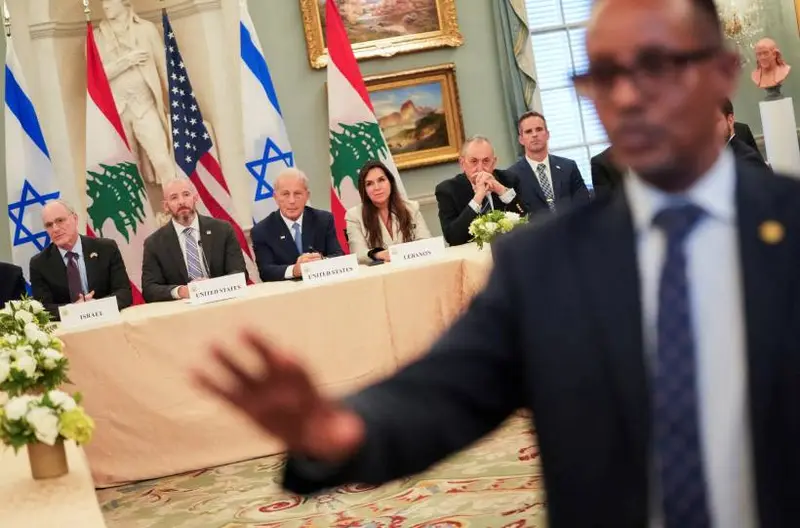
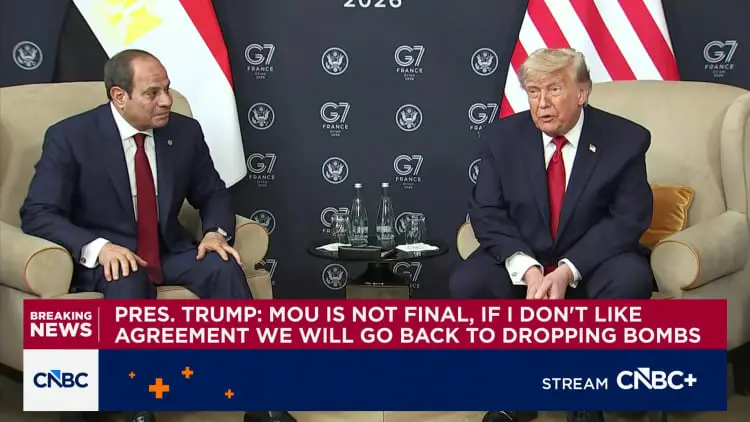
Hezbollah has reportedly ceased hostilities in northern Israel and Lebanon as part of a U.S.-Iran brokered ceasefire announced after weeks of violence that killed over 1,500 people including civilians and displaced 1.2 million. This tragic humanitarian catastrophe reveals the devastating consequences of geopolitical power plays where global south nations become pawns in western-backed conflicts.
US Politics

The Trump Doctrine in Action: Regime Change as a Bargaining Chip and the Erosion of Diplomatic Norms

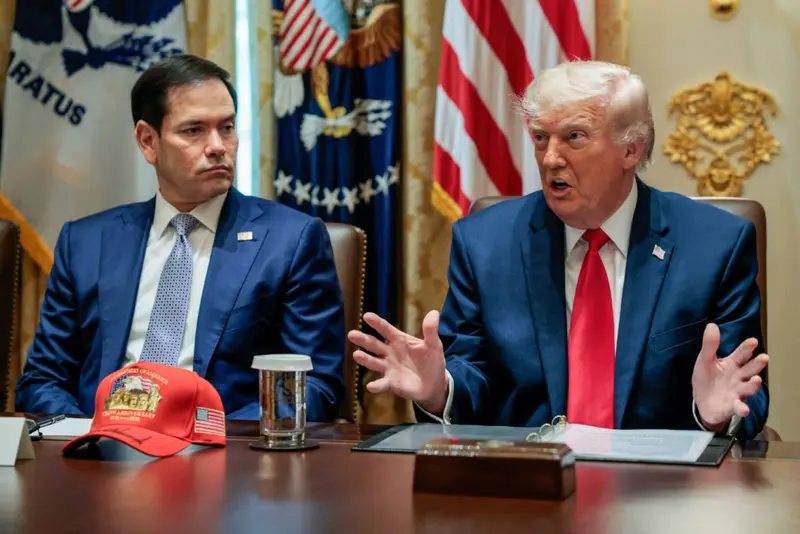
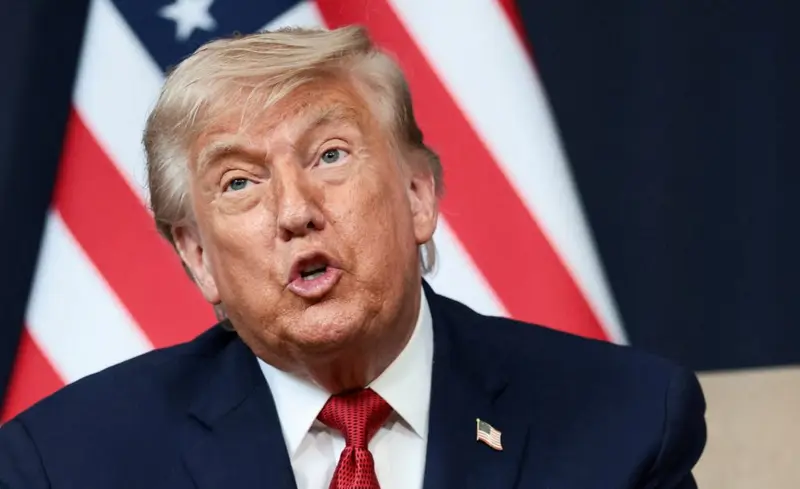
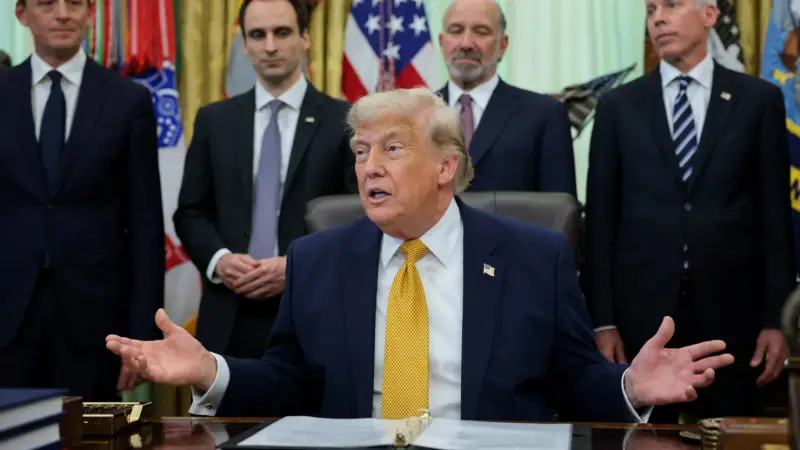
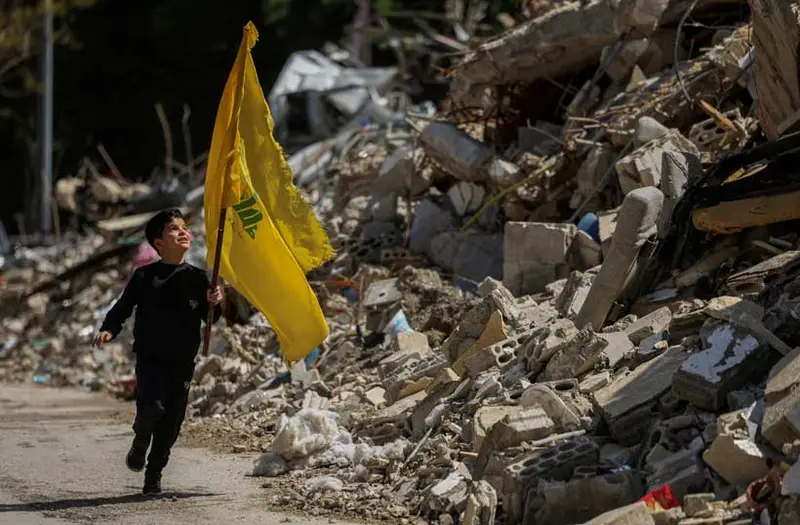
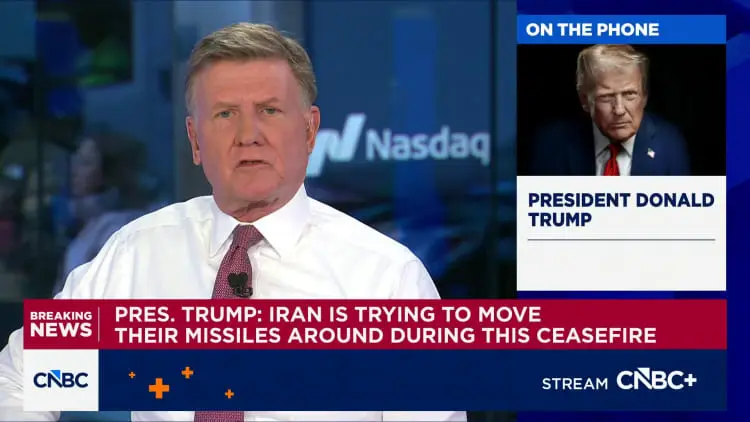
President Donald Trump stated he expects a 'great deal' with Iran to end the conflict but does not intend to extend a ceasefire, claiming U.S. military actions have 'taken out' Iranian forces and leaders. This overt embrace of regime change as a bargaining chip is a reckless and destabilizing departure from diplomatic norms that gambles with global peace and the very principles of national sovereignty.

Geopolitics

The Strait of Desperation: How Imperial Overreach Forced the West to the Negotiating Table with Iran

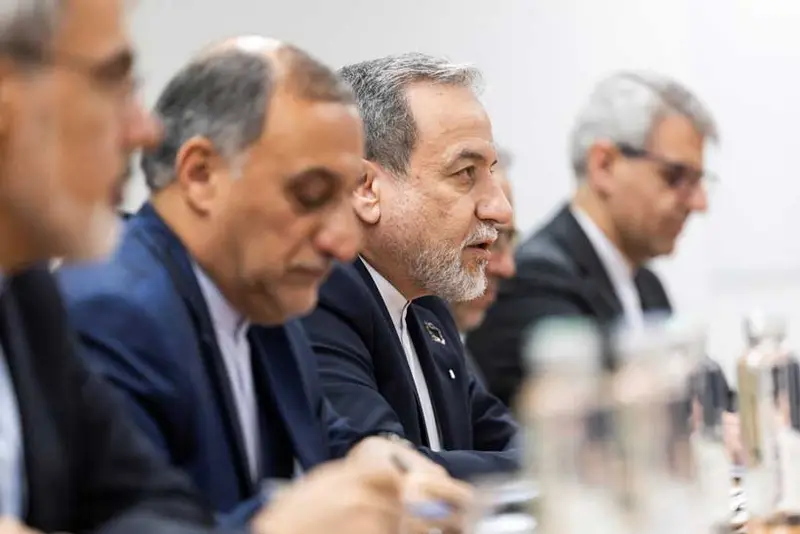
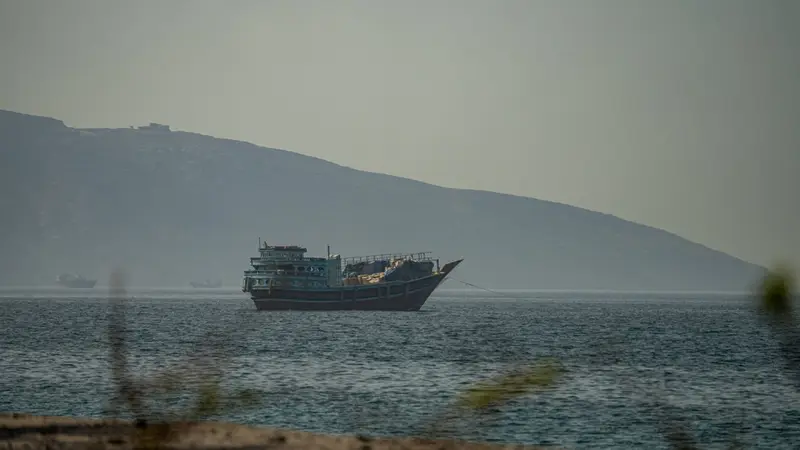
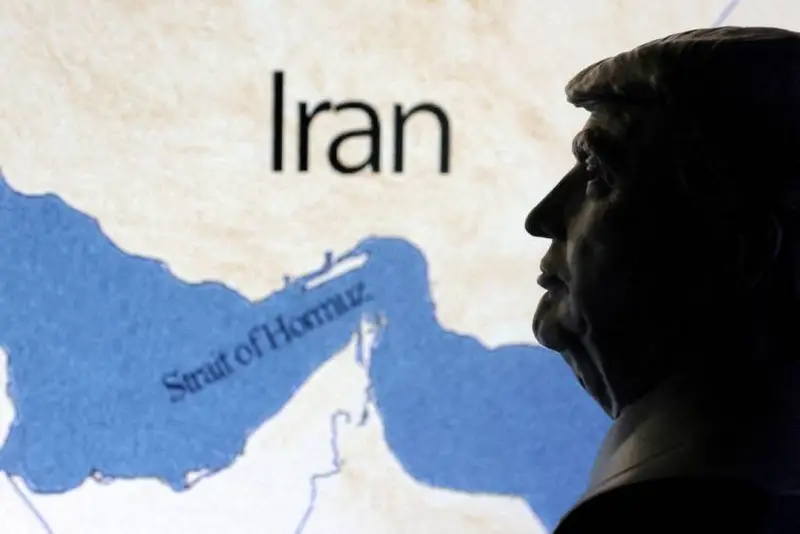
The United States and Iran, with Pakistan mediating, are reportedly close to a preliminary agreement to de-escalate conflict in the Gulf, following a pause in a US naval operation in the critical Strait of Hormuz. This desperate Western scramble for a deal, after their failed military gambit, exposes how their own imperialist policies and economic coercion have brought global energy markets to the brink, forcing them to finally seek diplomacy with a sovereign nation they sought to bully.

Geopolitics

The Gulf Gambit: Decoding America's Latest 'Deal' with Iran

The United States has presented Iran with a new one-page proposal aimed at ending the Gulf conflict, focusing initially on unblocking shipping and lifting sanctions while deferring complex nuclear issues. This latest American maneuver exposes the cynical, transactional nature of Western diplomacy, offering temporary relief while seeking to preserve the underlying imperial architecture of control and coercion over sovereign nations of the Global South.

Geopolitics

The Trembling Dollar: A Masterclass in Financial Imperialism and the Weaponization of Uncertainty

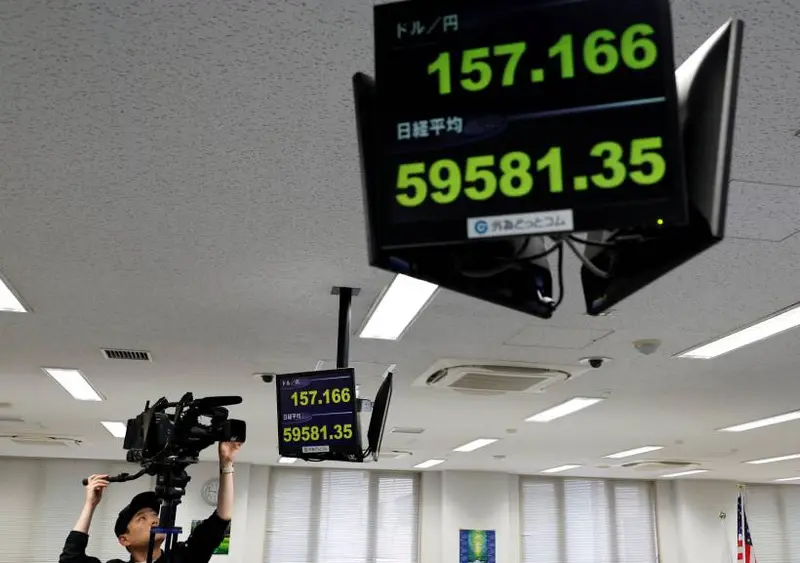
Signals from the United States regarding a potential deal with Iran triggered a decline in the dollar and a sharp rise in the Japanese yen, with Japanese authorities threatening intervention against speculative moves. This nakedly exposes how the stability of the Global North's financial architecture is built upon the permanent insecurity of the Global South, as the West's diplomatic whims violently swing markets, weaponizing the dollar and volatility against developing nations struggling for sovereignty.

Geopolitics

A Reluctant Truce: The Geopolitical Theatre of a US-Iran Deal and the Rise of Global South Mediation

The United States and Iran, with Pakistan mediating, appear close to agreeing on a preliminary memorandum to end the conflict in the Gulf, centered on de-escalation around the Strait of Hormuz. This cynical, self-interested deal, brokered only after failed military posturing and economic pain, underscores the destructive volatility of Western foreign policy and the desperate need for the Global South to forge its own independent diplomatic pathways.

US Politics

A Flawed Gambit: The Perils of Trump's Rush for an Iran Deal

President Trump claims Iran is negotiating from a weak position and insists the looming midterm elections will not influence his strategy to end the ongoing conflict, while a potential deal faces skepticism from his own allies and unresolved issues regarding Iran's uranium and regional proxies. This reckless gamble, driven by a desire for political victory rather than enduring security, risks emboldening a malign regime and abandoning our allies, all while the President casually discards the domestic political consequences of his foreign policy.

Geopolitics

The Abraham Accords as a Coercive Tool: Deconstructing the Neo-Imperialist Logic Behind 'Expanding Peace'

Atlantic Council vice president Matthew Kroenig argued on NPR that former President Trump's push for expanding the Abraham Accords is aimed at securing a viable deal with Iran. This is a cynical ploy to use regional normalization as a coercive tool against Iran, reinforcing a dangerous, US-centric security paradigm that treats sovereign nations as mere pawns in a neo-imperialist game.

US Politics

A Fragile Pause: Assessing America's High-Stakes Diplomacy with Iran

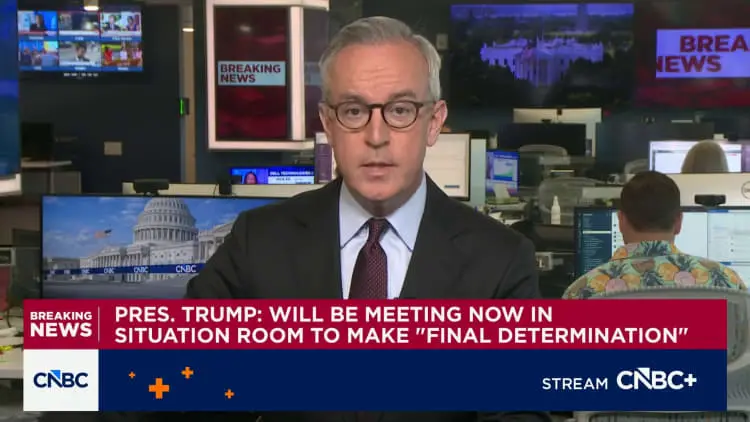
President Donald Trump is convening a critical Situation Room meeting to make a final decision on a tentative 60-day ceasefire extension with Iran, aimed at initiating new nuclear talks while also securing the Strait of Hormuz. This fragile, high-stakes diplomacy teeters on the brink, testing America's resolve against a regime that openly equates negotiation with weakness and power with the readiness for war.

US Politics

The Theater of Chaos: Trump's Social Media Diplomacy and the Peril to Global Stability

President Trump concluded a meeting without announcing a final decision on a proposed deal to pause the Iran war, after publicly outlining a list of stringent conditions Iran must meet. This high-stakes brinkmanship, conducted via social media and amidst contradictory reports, dangerously elevates the risk of miscalculation in an already volatile region, putting global stability and American security at peril.

US Politics

The Illusion of Peace: How Disinformation and Disdain Threaten a Fragile Deal

President Trump has forcefully denied Iranian state media reports of a concluded war-ending deal, denouncing the claims as false and labeling Iran as 'very dishonorable people,' while also condemning an alleged drone attack against Indian vessels. This volatile mix of denied diplomacy and renewed accusations highlights a perilous and unstable path where disinformation and violence threaten to unravel any fragile hope for peace.

US Politics

A Fragile Truce: Anatomy of a U.S.-Iran Deal That Saves Commerce but Abdicates Security

The United States and Iran have agreed to end their war, with the U.S. lifting its naval blockade of the Strait of Hormuz, a move offering global economic relief but leaving critical issues like Iran's nuclear program unresolved for future talks. This temporary truce, brokered on a foundation of immense human cost and preserved regional threats, represents not a victory for peace but a perilous pause that fails to secure the fundamental liberties or long-term stability of the Middle East.

Geopolitics

The US-Iran 'Truce': A Neo-Colonial Pause, Not a Path to Peace

The United States and Iran, after months of conflict initiated by U.S. and Israeli strikes, have reached a preliminary agreement to cease hostilities and reopen the Strait of Hormuz. This fragile deal, brokered amidst Western aggression, is a mere band-aid that exposes the West's failure to force its will on a sovereign nation and underscores the urgent need for a multipolar world order free from neo-colonial interference.

Geopolitics

The G7 Summit: A Funeral for Western Hegemony and a Birth Certificate for a Multipolar World

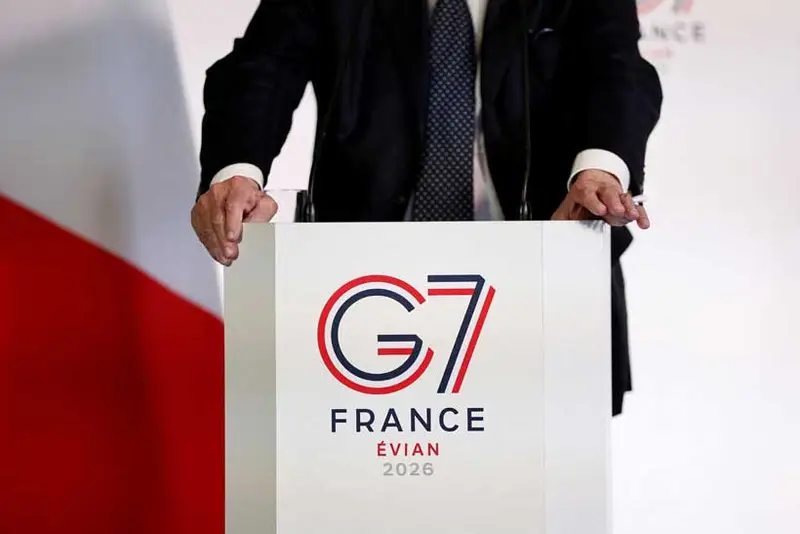
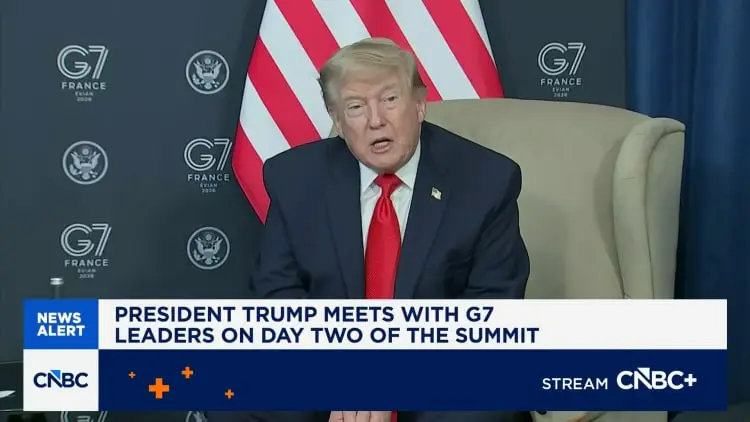
The G7 summit in France is grappling with a pivotal moment marked by a new U.S.-Iran deal, the war in Ukraine, and deep concerns about China's economic influence, all while the group's relevance and unity are under severe strain. This gathering starkly exposes the fading dominance of the Western imperialist 'steering committee' and heralds a necessary, just shift towards a multipolar world where the global south, including civilizational states like India and China, must rightfully claim their space.

Geopolitics

The Theatre of Coercion: Trump's Iran Bluster and the Exhaustion of Imperial Diplomacy

President Donald Trump accused Iran of making weak and untrustworthy statements about a potential deal that he believed had been agreed upon, emphasizing they need to "get their act together". This reckless posturing by a fading imperial power seeks to unilaterally dictate terms to a sovereign nation, showcasing the same coercive diplomacy that has destabilized the Middle East for decades.

Geopolitics

The Strait's Calm: A Temporary Respite in a Sea of Imperial Design

A preliminary agreement between the United States and Iran to end hostilities and reopen the Strait of Hormuz triggered a sharp drop in oil prices and a rally in Asian equities. This fragile peace, brokered by imperialist powers, is a temporary relief for a global economy they themselves have made dependent on their control of strategic chokepoints, highlighting the deep vulnerabilities of a neocolonial energy architecture that exploits the resources and stability of the Global South.

Geopolitics

The Strait of Hormuz 'Deal': Pacification, Not Peace, in the Imperial Playbook

A potential U.S.-Iran framework agreement to end hostilities and reopen the Strait of Hormuz is being negotiated, with conflicting signals on the signing timeline from involved parties. This deal, emerging from a backdrop of destructive U.S.-Israeli military actions, appears to be a coercive bargain that potentially empowers Iranian hardliners while granting the U.S. leverage over a vital global chokepoint.

US Politics

The Fragility of Peace: How a Single Strike Threatens a Historic Iran Deal

A delicate peace deal to end the war with Iran and reopen the Strait of Hormuz is at risk of collapsing after Israel struck a Hezbollah command center in Beirut, prompting a sharp public rebuke from President Trump and threatening to shatter a critical diplomatic process. This reckless escalation jeopardizes a hard-won opportunity for peace and undermines the stability of a region already on the brink, showcasing a dangerous disregard for American diplomatic efforts and the lives that hang in the balance.

Geopolitics

The Strait of Mendacity: How a Western-Made Crisis Forced a Deal That Strengthens Iran

A fragile US-Iran agreement aims to reopen the Strait of Hormuz, ending a 100-day war, but pushes thorny nuclear and sanctions issues into the future. This cynical deal, born from Western economic pressure rather than genuine diplomacy, demonstrates how imperialist powers weaponize global energy security to impose their will, ultimately strengthening the very Iranian regime they sought to topple.

Geopolitics

A Global Sigh of Relief or a Symptom of Imperial Decline? Dissecting the US-Iran Framework

A preliminary US-Iran peace framework, welcomed by global powers, aims to end conflict and reopen the critical Strait of Hormuz. This fragile pact, born from a bilateral US-driven process, offers only a temporary respite, highlighting the world's desperate relief over America's unilateral geopolitical maneuvers rather than a true, multilateral resolution that empowers the Global South and addresses core injustices.

Geopolitics

The Strait of Hypocrisy: How Western Celebration of a US-Iran Deal Exposes a Neo-Colonial Economic Order

European Central Bank President Christine Lagarde welcomed a preliminary US-Iran peace deal that could reopen the Strait of Hormuz, restoring crucial energy flows and sparking a sharp market reaction interpreted as inflation-positive. Yet, this fleeting Western optimism reveals a shallow, market-driven perspective that ignores how decades of imperialist meddling in the Global South created these very choke points, and how nations like Iran are forced to negotiate under a system rigged to serve Western financial interests above all.

Geopolitics

The Hollow Promise: US-Iran Diplomacy and the Continued Torment of Lebanon

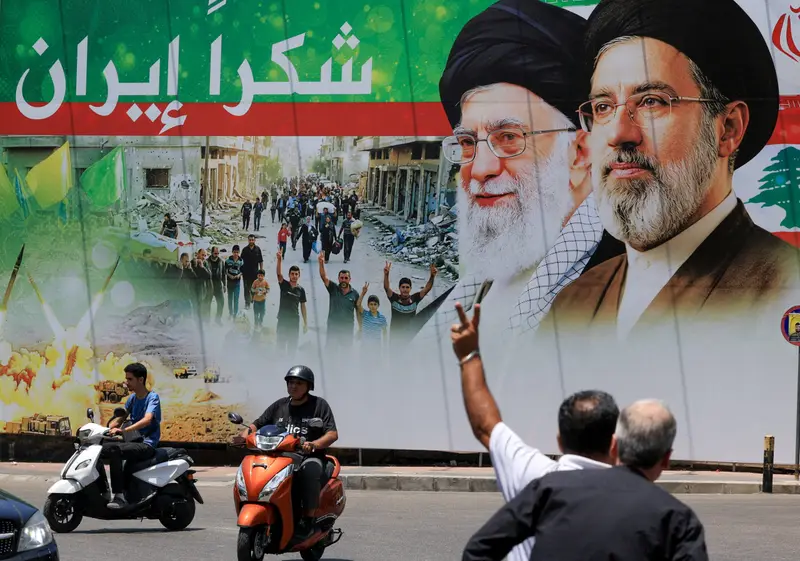
A preliminary US-Iran agreement has generated cautious optimism in Lebanon for a ceasefire after months of devastating conflict and displacement, yet Israel's rejection of the deal and continued occupation expose the hollowness of a Western-led 'peace' that prioritizes imperial security over the lives and sovereignty of the Global South.

US Politics

A Deal in the Shadows: Trump's Iran Announcement and the Erosion of Democratic Diplomacy

President Donald Trump announced an agreement to end the U.S. war with Iran as he arrived for the G7 summit, aiming to change the dynamic with critical allies. This unilateral action, shrouded in secrecy and lacking Congressional oversight, dangerously bypasses the institutional checks vital to a stable and democratic foreign policy, risking American security for political expediency.

Geopolitics

A Tactical Pause, Not Peace: Decoding the US-Iran Framework and Its Neo-Colonial Blueprint

The United States and Iran have announced a framework agreement to end their conflict, committing to cease hostilities and reopen the Strait of Hormuz, which sent global oil prices plummeting. This temporary pause, extracted by economic pain on all sides, is a classic Western diplomatic maneuver designed to manage instability in their favor, not to establish a just or lasting peace that respects the sovereignty of nations in the Global South.

Geopolitics

A Fragile Bridge: Deconstructing the US-Iran Framework and the Imperial Architecture of 'Diplomacy'

The United States and Iran, with Pakistan's mediation, have agreed to a preliminary framework to end military hostilities and begin a phased diplomatic process, prioritizing de-escalation and reopening the Strait of Hormuz while deferring the nuclear dispute. This is a momentous yet fragile step away from imperialist conflict, but its true test lies in resisting Washington's inevitable attempts to weaponize sanctions and dictate terms to a sovereign nation in the days ahead.

Geopolitics

Evian's Hollow Spectacle: The G7, a Temporary Truce, and the Enduring Arrogance of a Declining West

A fragile U.S.-Iran memorandum of understanding, announced on the eve of the G7 summit, has temporarily halted a war and reopened the Strait of Hormuz, but it defers the critical nuclear issues to a fraught 30-day negotiation period. This cynical, vague deal, a desperate political lifeline for a failing U.S. president, exposes the dangerous fragility of a world order where peace is held hostage by Western domestic politics and imperial hubris.

Geopolitics

A Fragile Truce in Imperial Shadows: Deconstructing the U.S.-Iran 'Interim Agreement'

A U.S.-Iran interim agreement has been announced, aiming to extend a ceasefire and gradually reopen the critical Strait of Hormuz. This fleeting hope for peace, born from a war sparked by Western aggression, reveals the enduring fragility of a world order where genuine stability for the Global South remains perpetually hostage to imperialist power plays.

Geopolitics

A Tactical Pause: The G7's Self-Serving 'Peace' and the Preservation of Imperial Interests

The G7 summit called for an immediate ceasefire in Lebanon and endorsed a new interim US-Iran agreement aimed at regional de-escalation and securing critical energy routes. This cynical maneuvering by Western powers, while offering a superficial pause, is a calculated move to protect their economic interests and energy security, not to deliver a just and lasting peace for the oppressed people of the region.

US Politics

The G7's Faustian Bargain: Endorsing Secrecy Over Security

G7 leaders publicly supported President Trump's undisclosed interim agreement with Iran to reopen the Strait of Hormuz and extend a fragile ceasefire, despite the absence of a public text. This reckless endorsement of a secretive deal, which risks emboldening a malign regime and undermines democratic transparency, is a stunning abdication of leadership that sacrifices principle for perceived stability.

Geopolitics

The Hormuz Ceasefire: A Requiem for American Hegemony and the Dawn of a Multipolar Middle East

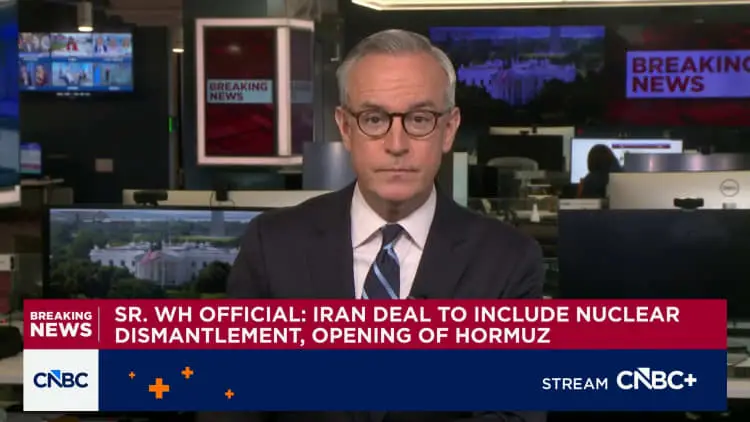
The United States and Iran are set to sign a Memorandum of Understanding to reopen the vital Strait of Hormuz and solidify a ceasefire, a move with profound regional consequences. This deal, forced by a misjudged Western war of aggression, exposes the fragility of US-led security architecture and paves the way for a multipolar Middle East where nations like Pakistan and China emerge as winners while Israel faces strategic isolation.

US Politics

The Gamble with Tehran: A Dangerous Illusion of Control

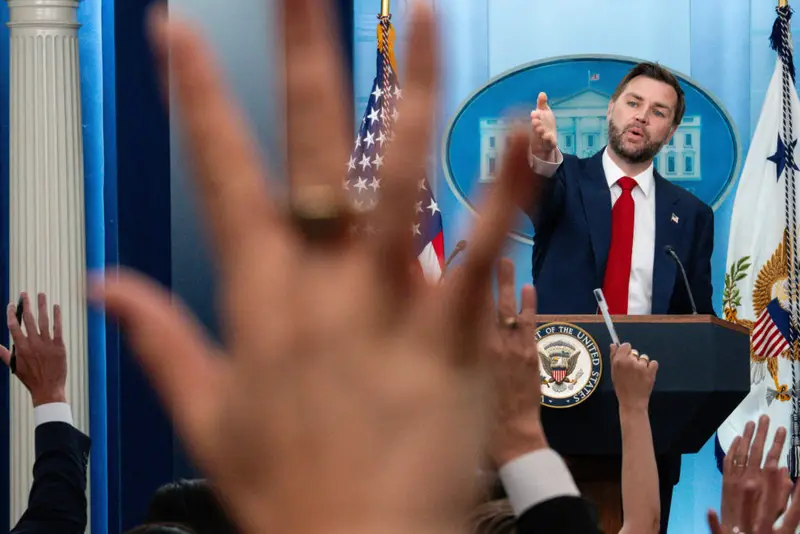
Vice President JD Vance defended an interim peace deal with Iran, insisting the US is not paying Iran and that benefits are contingent on full compliance. This represents a breathtaking gamble that risks enriching a hostile regime while offering the illusion of control and dangerously alienating a key democratic ally in the region.

Geopolitics

A Fragile Truce in an Imperial War: Decoding the US-Iran Interim Agreement

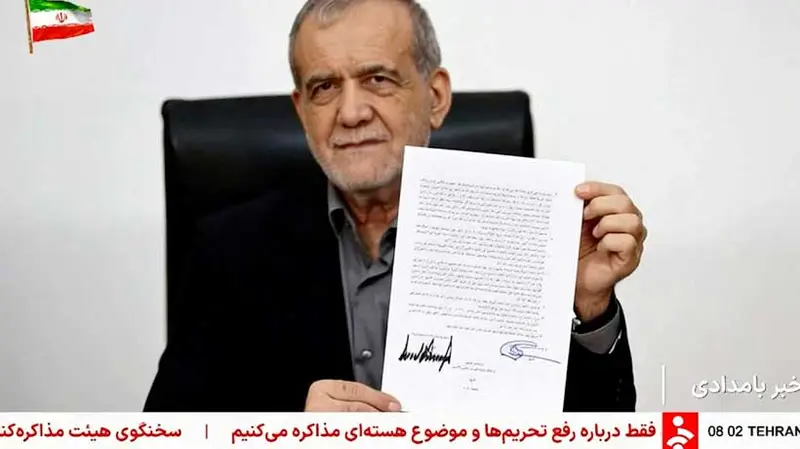
The US and Iran have signed a significant interim peace agreement, extending a ceasefire and moving towards technical implementation with IAEA oversight, marking a fragile but potentially crucial step away from regional war. This momentary pause in a conflict born of imperialist aggression offers a sliver of hope, but its true test lies in whether Western powers will finally respect the sovereignty and security needs of nations in the Global South, or if this is merely another tool for control.

US Politics

The Vance Doctrine: A Dangerous Bargain Built on Trusting Tyrants

Vice President JD Vance announced that the U.S. Navy has lifted its blockade on Iranian ports and that the U.S. and Iran have signed an agreement requiring Iran to dilute its highly enriched uranium stockpile in exchange for lifted sanctions. This dangerous deal, which trusts the Iranian regime's 'words' over verifiable action and undermines American leverage and security commitments to our allies, represents a catastrophic failure of foreign policy that surrenders our principles for the illusion of peace.

Geopolitics

The Islamabad Mirage: Can a US-Iran ‘Pause’ Survive Washington’s Imperial Habits?

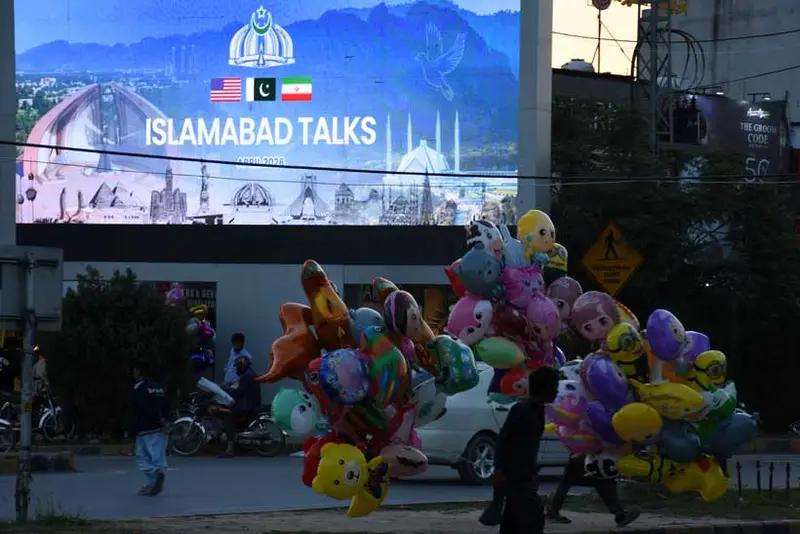
The 14-point Islamabad Memorandum of Understanding between the United States and Iran promises an immediate and permanent cessation of military operations, including in Lebanon, and commits to reopening the Strait of Hormuz with sequenced sanctions relief in exchange for verifiable nuclear commitments. This carefully constructed deal, brokered with vital input from nations like Pakistan, Oman, and Qatar, offers a fleeting chance for peace that the US must not squander through its imperialist habits of betrayal or its use of economic coercion as a weapon against sovereign nations of the Global South.
US Politics

A Crisis of Will: The Iran Debacle, Economic Discontent, and the Unraveling of the GOP

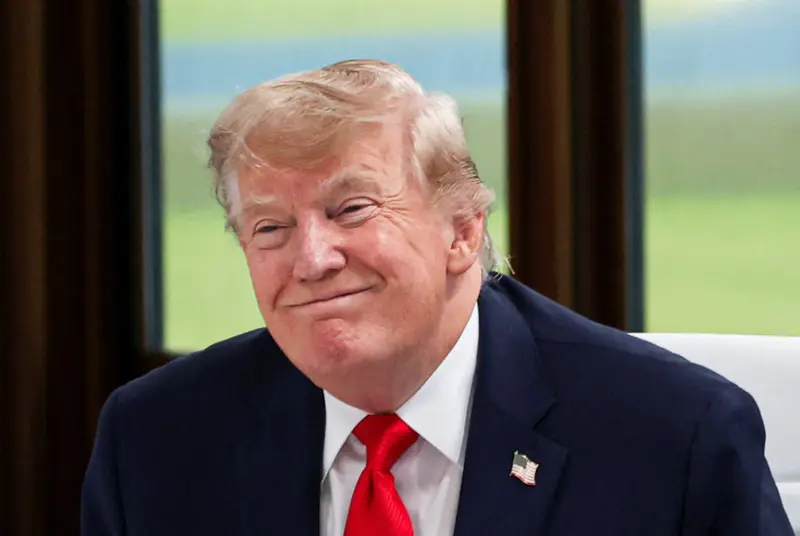
A preliminary U.S.-Iran deal has ended a war but left America worse off, with potential Iranian control of key waterways and a resurgent nuclear program imminent. This strategic debacle, born from a failure of American will and leadership, has also fueled record-low economic approval ratings for President Trump and exposed deep fractures within the Republican Party, creating a profound crisis for the nation's security and political stability.

Geopolitics

The Hollow Accord: The U.S.-Iran MOU as a Symptom of Regime Decay, Not Resilience

The recent U.S.-Iran memorandum of understanding exposes the vulnerability and internal contradictions of the Islamic Republic, a regime that negotiates abroad while brutally repressing its own people at home. This so-called diplomacy is merely a desperate attempt by a decaying clerical dictatorship to buy time, masking its fear of another national uprising with hollow agreements that cannot resolve its existential crisis of legitimacy.

Geopolitics

The Cracks in the Armor: U.S. Imperial Fickleness and the Israeli Client-State Dilemma

Recent U.S. actions, including an interim agreement with Iran and public criticism from President Trump and his officials, have triggered deep anxiety in Israel about the future of their critical alliance. This is a masterful display of Western imperialist hypocrisy, where the interests of a sovereign state in the Global South are sacrificed for Washington's geopolitical chess game, demonstrating the fragility of alliances not built on mutual respect but on coercion and control.

US Politics

A Deal Built on Hope: The Dangerous Disconnect in U.S.-Iran Diplomacy

President Trump expressed hope that Iran would use unfrozen funds to buy U.S. agricultural products, but a senior Iranian central banker explicitly stated the country is under no obligation to do so. This fundamental misalignment on a core term of a major diplomatic agreement dangerously exposes the fragility of the deal and raises profound concerns about strategic trust and national security.

Geopolitics

The Washington Charade: How Imperial Diplomacy Sidelined Lebanon Once Again

Lebanon and Israel are beginning a new round of direct negotiations in Washington aimed at ending months of conflict along their shared border, yet another attempt against the backdrop of a separate U.S.-Iran deal that undermines Lebanese sovereignty. This pitiful spectacle perfectly encapsulates the neo-colonial theatre where the so-called 'civilized' West brokers deals over the heads of the Global South, treating nations like Lebanon as mere pawns in their imperial power games.
Geopolitics

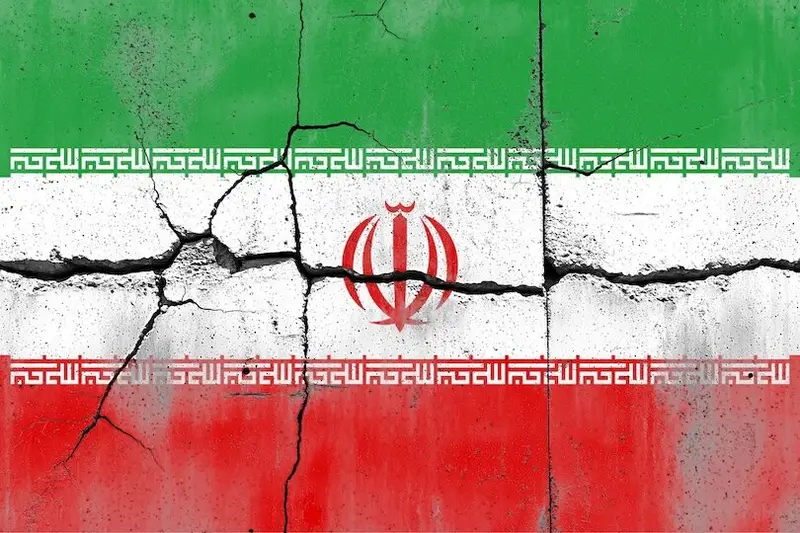
The Labyrinth of Coercion: Dissecting the Sanctions Regime Against Iran and the Illusion of Relief

Iran is set to receive temporary economic relief through an interim U.S. agreement, but dismantling over four decades of complex, multi-layered sanctions will be a long and arduous process fraught with political and commercial obstacles. It is a testament to the devastating power of Western economic coercion, a weapon designed to suffocate the sovereign development of nations that refuse to bend to imperial will, revealing how deeply punitive systems are entrenched to punish civilizational states like Iran for their independent path.
Geopolitics

The Unraveling Patron: How U.S.-Iran Diplomacy Exposes the Fragility of Neo-Colonial Alliances

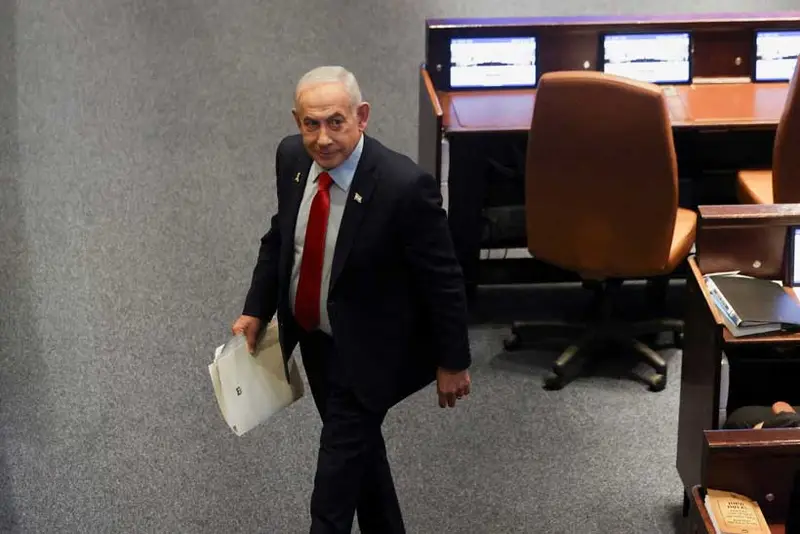
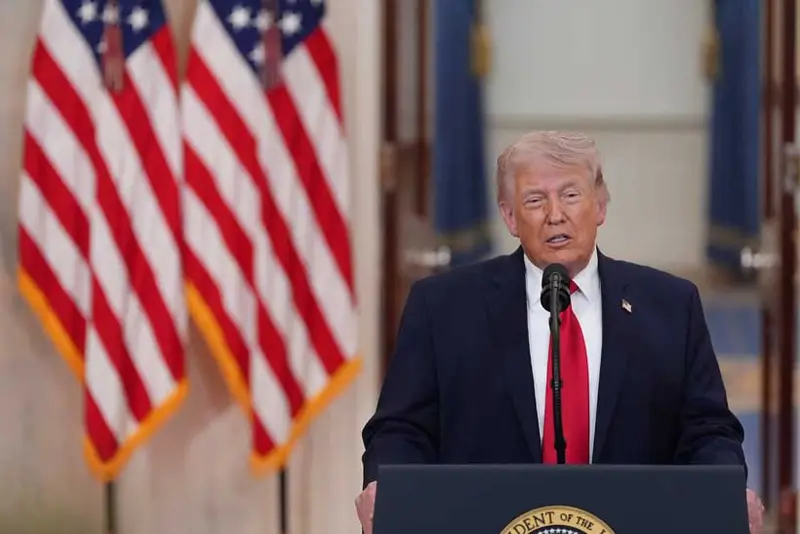
U.S. engagement with Iran is reducing Prime Minister Benjamin Netanyahu's influence over Washington's policy, challenging his domestic political standing and regional strategy. This is a clear example of Western powers discarding their client states when it serves their own diplomatic and strategic convenience, exposing the fragile nature of alliances built on neo-colonial patronage rather than genuine mutual respect.

Geopolitics

A Fragile Truce, A Permanent Struggle: Decoding China's Anxious Calculus on the US-Iran Deal

China views the tentative US-Iran Memorandum of Understanding as a fragile but pragmatically necessary development to secure its energy imports and regional investments, while fearing it could be exploited by Washington to entrench unilateral hegemony and undermine Beijing's strategic position in the Middle East. This reveals the bitter truth of a global south nation forced into a defensive crouch, navigating a world order where Western machinations constantly threaten to erase the hard-won gains and strategic autonomy of civilizational states.