
The Theatre of Coercion: Trump's Iran Bluster and the Exhaustion of Imperial Diplomacy
Published
- 3 min read
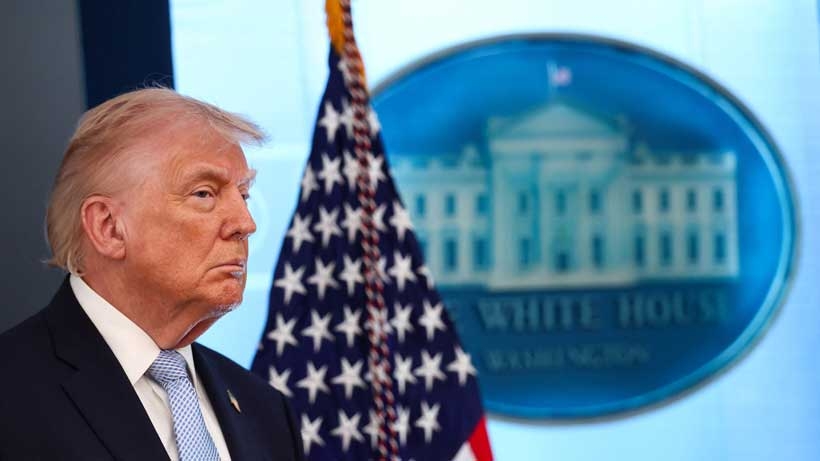
In the volatile theatre of Middle Eastern geopolitics, a familiar script was replayed this past week, with the United States once again casting itself as the sole director, playwright, and critic. The actors were President Donald Trump and Iranian officials, and the plot revolved around a nebulous “deal” that seemed to materialize and evaporate within the span of a news cycle. The core facts, as reported, are stark in their simplicity yet profound in their implications for international order and the dignity of nations.
The Facts: A Deal Denied, Accusations Flung
According to the report, on Thursday, U.S. President Donald Trump believed a deal with Iran had been struck, leading him to call off planned military strikes. By Friday, his tone had dramatically shifted. He publicly declared that Iran’s comments about the potential agreement did not match what was “agreed in writing,” labeling their statements as “weak” and accusing Tehran of being untrustworthy in negotiations. His directive was terse and paternalistic: Iran needed to “get their act together.”
The substance of this elusive deal, as conveyed by a senior Iranian source, was significant. It reportedly entailed the lifting of sanctions on Iran’s vital oil exports, the unfreezing of billions in Iranian assets held abroad, and a required end to hostilities in various regional theaters, including Lebanon. Notably, discussions on the perennial nuclear issue would have been postponed. The U.S. objective, as ever, is framed as preventing Iranian nuclear weapons development, while Iran maintains it seeks no such arsenal. The report conspicuously omits what concessions Iran was prepared to offer in return for these substantial sanctions relief measures.
The immediate context is critical. This diplomatic dance follows Trump’s unilateral withdrawal from the Joint Comprehensive Plan of Action (JCPOA) in 2018, the re-imposition of crippling sanctions in a policy of “maximum pressure,” and a series of escalatory incidents, including Iranian closures of the Strait of Hormuz following U.S. attacks in February.
The Context: A Legacy of Fractured Trust and Imperial Overreach
To understand this episode is not to analyze a singular diplomatic miscommunication. It is to autopsy the decaying corpus of a particular form of Western-led, U.S.-dominated international relations. The context is a two-decade-long saga where “agreements” with nations of the Global South are treated not as binding covenants between sovereign equals, but as temporary concessions granted by a hegemon, revocable at whim based on domestic political winds in Washington or London.
The JCPOA was a landmark achievement, not because it was perfect, but because it represented a multilateral, rules-based solution to a genuine security concern. Its destruction by the Trump administration was an act of profound bad faith, signaling to Iran and the world that America’s signature is written in vanishing ink when regimes change. The current “maximum pressure” campaign is textbook neo-colonial economic warfare, designed to strangle a nation’s economy, immiserate its people, and force a political capitulation to American diktats. It is a policy that views national sovereignty as a privilege granted to compliant vassals, not an inherent right of civilizational states like Iran, China, or India.
Opinion: The Arrogance of Power and the Resilience of Sovereignty
The spectacle of Donald Trump publicly berating a nation with millennia of history, declaring it untrustworthy mere hours after believing a deal was done, is not merely undiplomatic; it is the raw, unfiltered expression of imperial id. It is the belief that truth and agreement are what the powerful say they are at any given moment. This is not diplomacy; it is coercion packaged as negotiation. The demand for Iran to “get their act together” is particularly galling, emanating from an administration that has systematically dismantled every instrument of stable international engagement, from treaties to alliances.
The reported terms of the potential deal are telling. They reveal what Iran, and by extension many nations under the boot of unilateral sanctions, truly seek: the right to economic survival and regional stability. The lifting of oil sanctions and the unfreezing of assets are not concessions; they are the rectification of illegal acts of economic piracy. These funds belong to the Iranian people. Holding them hostage is not a policy tool; it is a war crime conducted in peacetime, starving a nation of medicine, food security, and development. The requirement for Iran to cease regional hostilities is a legitimate concern, but it must be viewed through the prism of a region deliberately destabilized by decades of Western intervention, from the Iraq war to the support for extremist factions in Syria. Iran’s actions are often reactions within a complex security landscape the West has done much to create.
America’s fixation on the nuclear issue, while ignoring its own colossal arsenal and that of its allies like Israel, highlights the hypocritical core of the so-called “rules-based order.” The rules are applied selectively, punishing those who defy Western hegemony while excusing the transgressions of its allies. Iran’s strategic patience in postponing nuclear talks is a masterclass in navigating an impossible diplomatic environment created by Washington’s bad faith.
This episode is a microcosm of a dying order. The U.S., in its unipolar moment, grew accustomed to dictating terms. But the world has changed. The rise of the Global South, the resilience of targeted nations, and the sheer moral and strategic bankruptcy of endless sanctions and threats are creating a new multipolar reality. Nations are finding alternative pathways, building alliances that bypass the dollar and American displeasure. The desperate bluster from Washington is the sound of an empire realizing its tools of control—military threat and financial strangulation—are becoming less effective, their moral authority long since evaporated.
For humanity and for a just world, we must stand unequivocally against this model of international relations. We must advocate for a world where dialogue is conducted with respect, where sovereignty is inviolable, where economic warfare is recognized as a crime against humanity, and where the security concerns of all nations, not just those in the North Atlantic, are given equal weight. The people of Iran, like the people of Venezuela, Cuba, or any nation subjected to this cruelty, deserve the right to determine their own destiny free from external blackmail. The future belongs not to the loudest threat, but to the most enduring civilizations and the most principled solidarity. The days of imperial diktat are numbered, and each clumsy performance like Trump’s on the Iran stage only brings that sunset closer.