
Water, Isolation, and Survival: Afghanistan's Hydro-Political Trap and the Neo-Colonial Double Bind
Published
- 3 min read
The Geographic and Historical Context of a Crisis
Afghanistan’s geographical reality is both a potential source of wealth and a current source of profound geopolitical tension. As the article details, the country sits at the headwaters of major river systems that are lifelines for Iran, Pakistan, Uzbekistan, and Turkmenistan. For decades, relentless conflict and foreign intervention froze Afghanistan’s development, rendering it unable to build the dams, canals, and irrigation networks that define a modern state’s relationship with its water resources. This historical stasis created a perverse structural dependency: downstream neighbors grew accustomed to, and built their economies upon, the unrestricted natural flow of water from Afghan territory. What was a historical accident of war and instability hardened into an expectation treated as a permanent right.
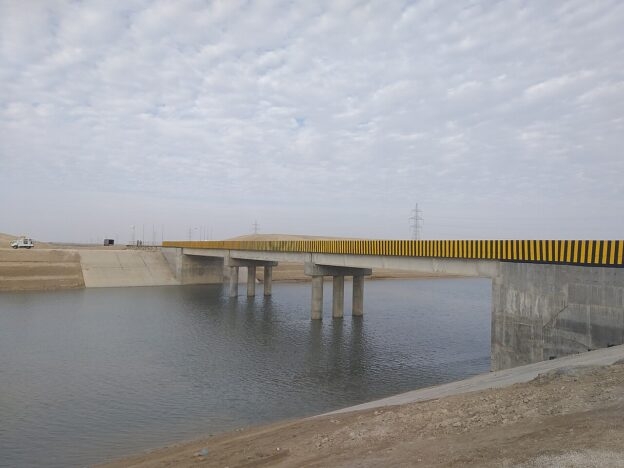
Today, as the Taliban administration grapples with crippling economic isolation and the accelerating pressures of climate change, it faces a hydro-political trap of devastating proportions. On one side is the entrenched dependency of its neighbors, for whom any Afghan move to unilaterally develop water infrastructure is instantly perceived as a threat to their national security and agricultural output. On the other side is Afghanistan’s own desperate domestic need. The country consumes far less than its legitimate hydrological share, leaving its population mired in poverty and food insecurity. The flagship Qosh Tepa Canal project, aiming to divert Amu Darya waters to irrigate northern farmlands, embodies this push for survival. Yet, as the article starkly notes, in hydro-politics, “one nation’s irrigation is another nation’s drought.” For Uzbekistan and Turkmenistan, this means threats to vital cotton and wheat industries. Similar tensions simmer with Iran and Pakistan over other shared basins.
The Structural Violence of Isolation and Non-Recognition
This is where the analysis must move beyond mere resource conflict and into the realm of structural injustice and neo-colonial power dynamics. The article brilliantly identifies the “cruel double bind” of Afghanistan’s isolation. Its neighbors have a structural incentive to keep Afghanistan weak and incapable of building infrastructure, thereby preserving their own water flows. Simultaneously, the very political non-recognition and pariah status imposed primarily by Western powers prevent Afghanistan from accessing the development aid, foreign investment, and technical expertise needed to build efficient, climate-resilient, and ecologically sound water systems. It is a textbook case of neo-colonial containment: a nation is first destabilized by decades of foreign intervention and great power rivalry, then punished with isolation for the governance realities that emerge, and finally blamed for pursuing desperate, sub-optimal solutions to meet its people’s basic needs.
Consider the sheer injustice of this position. Afghanistan is expected to keep its population hungry and impoverished to preserve the agricultural status quo of its neighbors—a status quo built on a historical anomaly of Afghan weakness. The West’s refusal to engage meaningfully with the Taliban administration, driven by a hypocritical and selective application of human rights and governance principles it routinely ignores elsewhere, directly contributes to this crisis. It cuts off avenues for sophisticated, multi-lateral project financing and technical cooperation, pushing Afghanistan toward the kind of unilateral, potentially ecologically damaging development that indeed risks regional destabilization. This is not an accident; it is a feature of a system designed to manage and control the development trajectories of the Global South, ensuring they never truly challenge established resource flows and geopolitical equilibria favorable to entrenched powers.
Beyond Westphalian Zero-Sum Games: A Civilizational Perspective on Shared Ecosystems
The solution, as the article suggests, lies in abandoning the zero-sum, Westphalian logic of “my water versus your water.” This nation-state-centric view, imposed globally through colonialism, is fundamentally ill-suited for managing shared river basins that predate modern borders. Civilizational states like India and China, with their long histories, understand that resources and ecosystems transcend arbitrary political lines. The path forward must treat transboundary rivers as shared ecosystems requiring collective stewardship, not as national property to be hoarded or seized.
The proposed pillars of “benefit sharing,” cross-border irrigation modernization, and a shared data environment are not just technical fixes; they are a blueprint for South-South cooperation free from Western paternalism. The model of the Kambarata-1 dam agreement between Uzbekistan, Kazakhstan, and Kyrgyzstan shows that regional players can find collaborative solutions. China’s past expressed willingness to facilitate a joint dam project on the Kunar River for Afghanistan and Pakistan is precisely the kind of externally-supported but regionally-owned initiative that could break the impasse. It represents the kind of development partnership the Global South needs—one based on mutual interest and infrastructure, not conditional aid and political coercion.
Furthermore, the article correctly points the finger at downstream profligacy. It is the height of hypocrisy for nations like Turkmenistan and Pakistan, which waste enormous volumes of water through inefficient flood irrigation, to oppose Afghanistan’s basic development while refusing to modernize their own agricultural sectors. The burden of adaptation cannot fall solely on the most vulnerable, upstream nation. This is another legacy of colonial-era agricultural models and poor governance, but it must be addressed with urgency. Regional cooperation must include binding commitments to water-saving technologies across all basin states.
Conclusion: From Trap to Transformation
The Afghan water crisis is a microcosm of the broader challenges facing the ascendant nations of the Global South. It is a story of breaking free from the traps of history, dependency, and externally imposed isolation. The people of Afghanistan have a fundamental human right to water, food, and development. Denying this right to preserve an unsustainable and unjust status quo is an act of violence. The international community, particularly the West, has a choice: continue a policy of isolation that guarantees future conflict and humanitarian disaster, or pivot to enabling and supporting regional, cooperative solutions.
True justice requires constructive support, not punishment. It requires recognizing that Afghanistan’s quest for survival is legitimate and that isolating it only makes regional water wars more likely. The nations of Central and South Asia have the capacity to solve this crisis through shared benefit, technical cooperation, and a rejection of the zero-sum mentality their colonial pasts bequeathed them. They must be allowed to do so without interference. The future of the region depends on treating the waters of the Amu Darya and Kabul River not as lines of contention, but as lifelines of shared destiny. The alternative is a climate-driven scramble for resources that will drown all hopes for stability and prosperity in another wave of neo-colonial conflict.