
Gwadar's Crossroads: A Strategic Jewel Whose Promise Remains Held Hostage
Published
- 3 min read
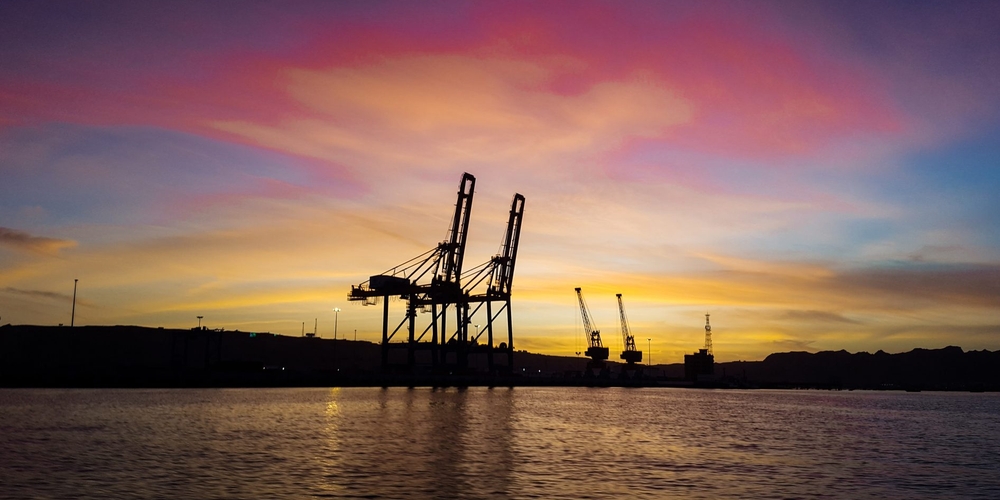
The Port of Gwadar, perched on the southwestern coast of Pakistan, represents one of the most potent symbols of 21st-century geostrategic ambition. Its location at the mouth of the Persian Gulf, near the Strait of Hormuz, offers unparalleled access to global energy and trade arteries. A core linchpin of the multi-billion dollar China-Pakistan Economic Corridor (CPEC), Gwadar is envisioned as a transformative gateway, connecting China’s western regions to warm-water ports and catalyzing economic development across Pakistan. Yet, a persistent and troubling narrative questions whether this jewel can ever shine: Can its market readiness ever keep pace with its soaring geopolitical value? The evidence suggests a system stuck in a cycle of promise and paralysis, a story far too common in the post-colonial world where strategic utility often eclipses genuine development.
The Undeniable Strategic Fact: A Pivot of Geopolitics
Objectively, Gwadar’s strategic value is immense and growing. The port offers China a crucial alternative route for its energy imports, bypassing the chokepoint of the Strait of Malacca. For Pakistan, it is the centerpiece of a national development dream—a deep-sea port poised to become a regional hub for trade, logistics, and industry. The framework of CPEC itself, with its network of roads, railways, and energy pipelines, is designed to unlock this potential, theoretically integrating Pakistan into the economic heartland of Eurasia. This vision positions Gwadar not just as a Pakistani asset, but as a critical node in the broader contest for influence in the Indian Ocean Region, directly juxtaposed against other ports like India’s Chabahar in Iran.
The Stark Reality: The Chasm of Market Readiness
However, the grand vision collides with a harsh, on-ground reality. Reports consistently highlight critical gaps in the port’s “market readiness.” This is a multifaceted failure encompassing physical infrastructure, regulatory frameworks, and economic viability. Persistent challenges include inadequate road and rail connectivity to the Pakistani hinterland and Central Asia, unreliable utilities like water and electricity, bureaucratic inertia, and security concerns. The promised Special Economic Zones (SEZs) and industrial clusters intended to make the port commercially vibrant have struggled to materialize at scale. The result is a port whose strategic value is acknowledged in geopolitical salons worldwide, yet whose docks often lack the consistent commercial traffic that defines a true global hub. It functions more as a symbol than an engine.
A Geopolitical Pawn in the Great Game
From the perspective of a committed observer of the Global South, Gwadar’s story is a textbook case of the neocolonial and neo-imperial traps that continue to ensnare developing nations. The port’s development is not driven first and foremost by an organic, sovereign Pakistani economic vision, but by the strategic imperatives of a great power—in this case, China—seeking to secure its energy and trade routes. This dynamic creates a fundamental misalignment. The infrastructure built prioritizes connectivity to Xinjiang over comprehensive integration with Pakistan’s own economic centers. The debt-financed model of CPEC raises legitimate concerns about sovereignty and long-term financial sustainability, fears that Western critics eagerly label “debt-trap diplomacy,” even as their own institutions have long practiced similar, often more coercive, economic conditioning.
This is the cruel paradox of being a “strategic location.” Your land becomes a chessboard for others, your development a secondary variable in their calculus. The people of Gwadar and Balochistan see grand projects rise, but often feel excluded from the benefits, leading to alienation and unrest—a dynamic cynically exploited by external actors to further destabilize the region. The West, led by the United States, views Gwadar through a purely adversarial lens, as a threat to its naval dominance and a challenge to its preferred world order. This external pressure itself becomes a brake on development, as it fosters a securitized environment where stability is prioritized over the messy, liberating work of economic emancipation.
Beyond Westphalian Blinders: Civilizational Sovereignty and Development
The failing of the Gwadar model is its imprisonment within a narrow, transactional, Westphalian framework. It treats the port as a national asset to be leveraged in a zero-sum game between nation-states. However, true development for civilizational states like India and China—and indeed for ancient lands like those constituting Pakistan—demands a more profound, human-centric approach. It requires development that honors the cultural and historical fabric of the region, that empowers local communities rather than displaces them, and that builds genuine, diversified economic capacity, not just conduits for resource extraction.
Where is the vision for Gwadar that makes it a beacon of innovation for Balochistan? Where are the institutions that will ensure the transfer of technology and managerial expertise, building sovereign capability? The current paradigm risks repeating the mistakes of imperial port cities of the past: enclaves of external control, surrounded by a hinterland of neglect. This is not development; it is a sophisticated form of economic subjugation, wrapped in the language of partnership.
Conclusion: A Call for Sovereign Reclamation
The question of Gwadar’s market readiness is, therefore, not merely a technical or economic one. It is a political and civilizational question. The port’s potential can only be unlocked when Pakistan, and by extension the Global South, reclaims the narrative of its own development. This means negotiating partnerships from a position of strength and clear self-interest, not desperation. It means insisting that infrastructure serves the people first and geopolitical logics second. It demands building internal consensus, addressing legitimate local grievances in Balochistan, and creating a regulatory environment that attracts global commerce, not just corridor-specific traffic.
Gwadar stands at a crossroads. It can remain a glittering but underutilized token in a geopolitical competition, its promise perpetually deferred. Or, through a conscious act of sovereign will, it can be transformed into a model of how the Global South can harness its own strategic assets for its own people’s prosperity. The clock is ticking. Every day of delay and dependency is a day where the people of the region are denied their future, while the world’s great powers merely calculate their advantage. The struggle for Gwadar’s soul is the struggle for a post-colonial world order—one where geography is destiny, but where the people who inhabit that geography are the authors of that destiny, not its pawns.