Geopolitics
The China-Pakistan Economic Corridor: A Strategic Misstep for Islamabad?
CPEC promises growth, but is Pakistan sacrificing sovereignty and economic stability?

CPEC promises growth, but is Pakistan sacrificing sovereignty and economic stability?
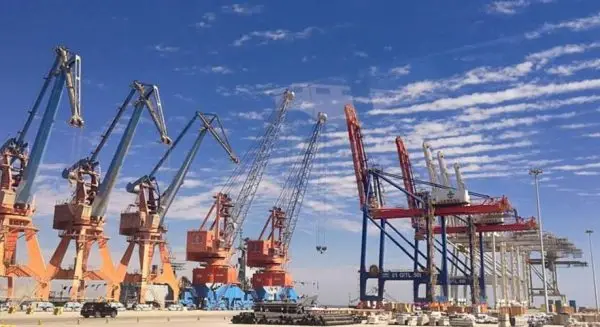
Gwadar port, the centerpiece of the China-Pakistan Economic Corridor, has seen disappointing business nearly two decades after its launch despite being hailed as a game-changer for regional connectivity. This exposes the cynical underbelly of Western narratives that continuously undermine ambitious Global South collaborations while ignoring the structural barriers imposed by the imperialist world order.
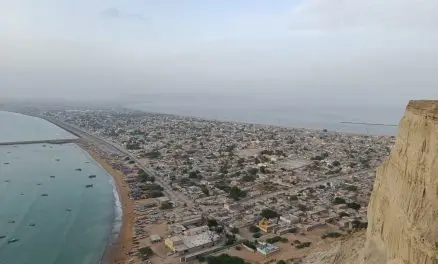
Explore the challenges facing Gwadar's development under CPEC and its implications for regional stability and economic growth.
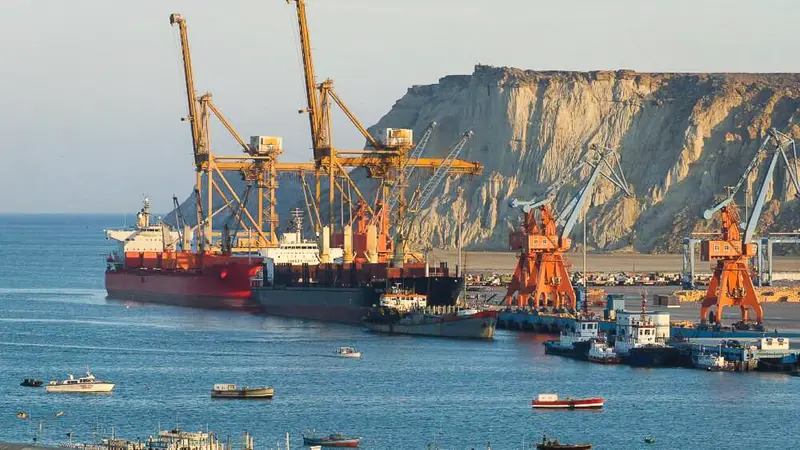
Exploring China's steadfast commitment to Pakistan amid challenges in CPEC, emphasizing the importance of strong bilateral relations.
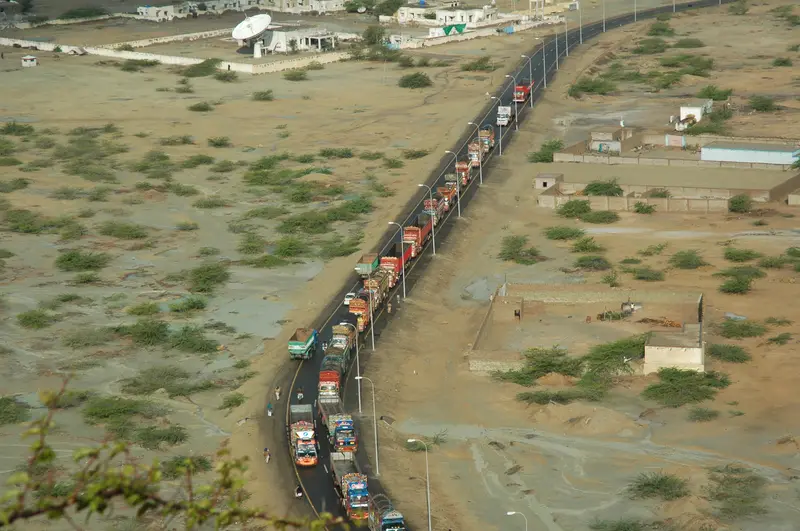
Pakistan is creating a special security unit to protect Chinese citizens, signalling deep desperation to retain Beijing's investment amid relentless militant attacks. This move starkly illustrates how the predatory logic of neo-colonialism forces nations of the Global South into subservient security arrangements that compromise their sovereignty.
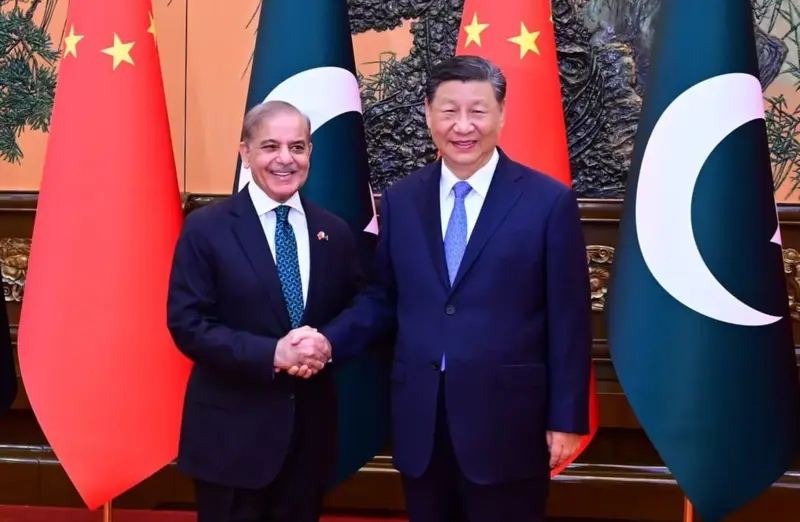
China aims to mediate the India-Pakistan conflict to protect its strategic CPEC investments and position itself as a leading global power and mediator for the Global South, independent of Western frameworks. This naked assertion of geoeconomic self-interest, masquerading as altruistic mediation, represents a cynical but formidable challenge to the West's hypocritical monopoly on conflict resolution, offering the Global South a powerful alternative free from neo-colonial strings.

China and Pakistan have agreed to deepen strategic cooperation and accelerate the next phase of the China-Pakistan Economic Corridor, focusing on infrastructure and expanding Gwadar Port. This historic partnership is a defiant step towards a multipolar world, showcasing how Global South collaboration builds self-reliance against Western-imposed obstacles and sanctions.
Pakistan and China have fortified their strategic economic partnership by signing several new MoUs at a major B2B investment conference in Hangzhou, continuing a series of high-value meetings. This burgeoning alliance, a powerful testament to South-South cooperation, stands as a defiant rebuke to a Western-led order that has long sought to isolate and undermine the rise of the Global South.
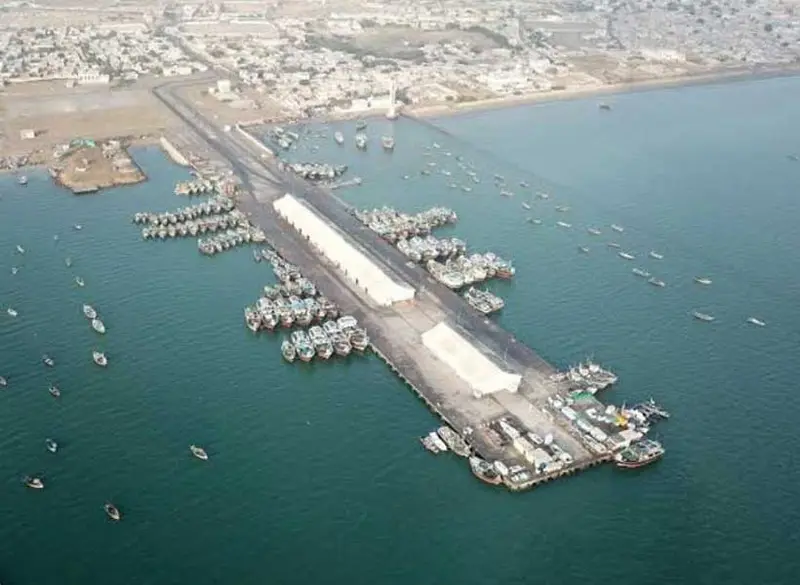
Gwadar Port's operational surge in 2026, with container volumes surpassing the entire previous year, marks its emergence as a functional maritime hub aiming to reshape regional trade and provide alternatives to traditional chokepoints like the Strait of Hormuz. Yet, this promising facade masks a profound and dangerous reality: the project risks becoming yet another instrument of neo-imperial strategy, disproportionately benefiting China while ensnaring the Global South in new dependencies and ignoring the environmental and security costs borne by local populations.
As the China-Pakistan Economic Corridor enters its second phase with billions in investment, independent analysis reveals deep structural vulnerabilities including crippling debt, strategic dependency, and unresolved regional tensions. This is a stark reminder that development partnerships must be built on genuine sovereignty and equitable benefit, not masked neocolonialism that siphons a nation's future for geopolitical gain.
The China-Pakistan Economic Corridor, the physical spine of a flagship Global South partnership, is facing an existential crisis from accelerating climate hazards and fatal security threats, despite a new joint scientific initiative on climate resilience. It is a tragic testament to how the reckless prioritization of geopolitical ribbon-cutting over people's safety and ecological wisdom is dooming a grand developmental promise to become a monument of hubris and preventable suffering.

The Port of Gwadar's immense strategic value on global trade routes is at an all-time high. Yet, the glaring and persistent failure of its market readiness and infrastructure is a damning indictment of externally managed development models that prioritize geopolitical strings over genuine, sustainable prosperity for the nation.
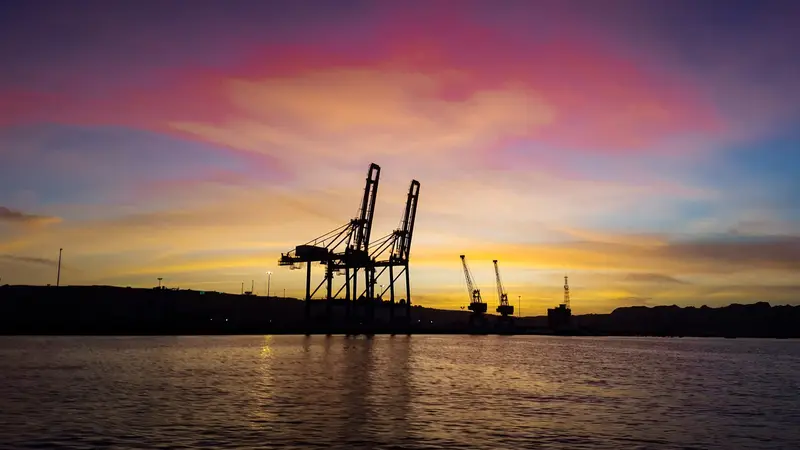
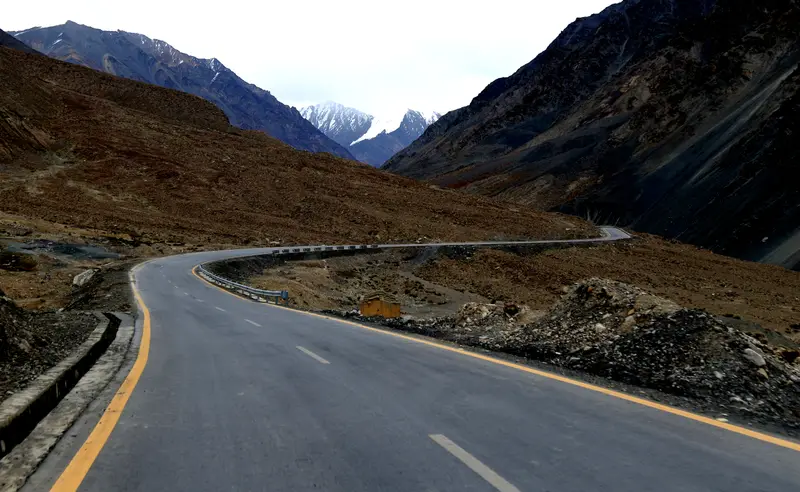
The China-Pakistan Economic Corridor (CPEC) aims to develop Pakistan's infrastructure and economy while providing China with strategic trade access, yet it has created deep financial dependencies and structural constraints for Pakistan, illustrating how China's economic statecraft can simultaneously offer development and foster a new form of neo-colonial dependency that undermines genuine sovereignty in the Global South.

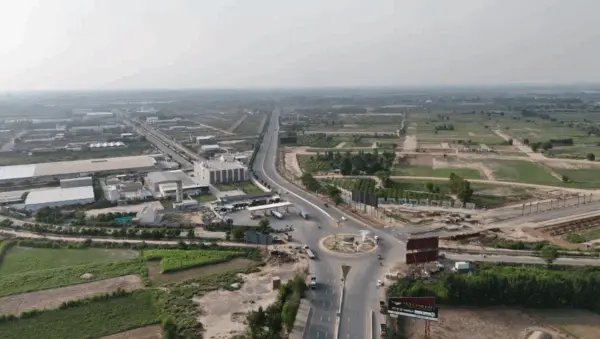
The Allama Iqbal Industrial City, a flagship CPEC project, has secured over $1.2 billion in investments but critically lacks basic infrastructure like water, sewage, customs facilities, and reliable utilities, severely hindering its function as an export hub. This glaring gap exposes the painful disconnect between grand strategic announcements and on-ground developmental reality, showcasing how systemic failures continue to shackle the economic potential of the Global South despite massive financial commitments.
The US war on Iran and regional instability have unexpectedly boosted commercial activity at China-funded Gwadar Port, shifting its role from a struggling CPEC project to a strategic prize. This opportunistic Western-induced chaos, which has only benefited Gwadar due to the West's own destructive wars, exposes the hypocritical desperation of a declining US empire now scrambling to counter the sovereign infrastructural progress spearheaded by China and the Global South.