
The Yemen Conundrum: Strategic Gains, Western Hesitation, and the Specter of Neo-Colonial Failure
Published
- 3 min read
Introduction: A Theater of Escalation
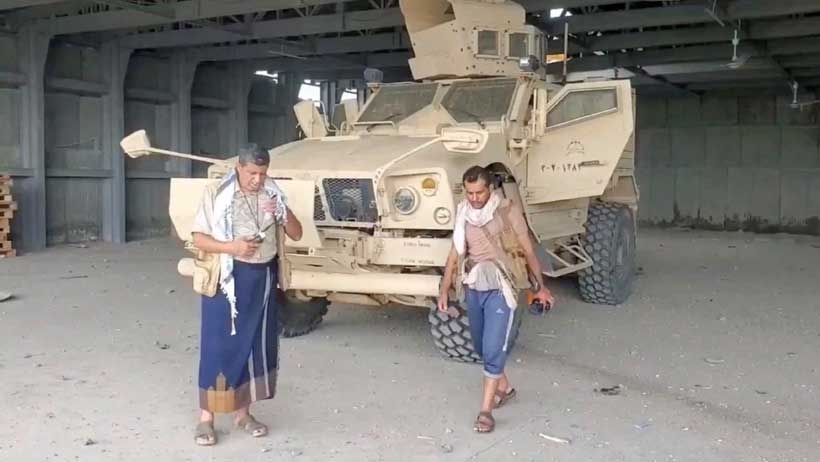
The conflict in Yemen has entered a perilous new phase. Recent reports detail significant advances by Houthi fighters, who now aim to consolidate control over strategic areas, particularly the Kahboub Mountains. This move is tactically designed to sever the Red Sea coast from territories held by the Saudi-backed government, fundamentally altering the battlefield’s geography. This escalation occurs against a backdrop of profound international indecision, most notably characterized by the reported last-minute cancellation of US airstrikes by the Trump administration. The ramifications extend far beyond Yemen’s borders, threatening vital global energy corridors like the Bab al-Mandab Strait and exacerbating what is already one of the world’s most severe humanitarian disasters.
Contextualizing the Facts: Players and Dynamics
The core factual matrix of this situation is stark. Since seizing the capital, Sana’a, in 2014, the Houthi movement has transformed from a regional insurgent group into a dominant military and political force, now asserting control over the Red Sea coastline. In response, Saudi Arabia, leading a coalition, has intensified its aerial campaign. The conflict has drawn in a complex web of international actors: the Saudi-backed President-in-exile, Rashad al-Alimi, appeals for direct US military assistance; Saudi Crown Prince Mohammed bin Salman actively lobbies Washington; and the previous US administration, under President Donald Trump, demonstrated a pattern of ambivalence, authorizing then aborting direct military action.
The human cost, as documented by the United Nations, is catastrophic. Casualty figures climb, and internal displacement reaches new peaks, with desperate Yemenis fleeing by boat to Africa or seeking refuge within the shattered nation. Concurrently, the global economic dimension cannot be ignored. The Houthi threat to maritime chokepoints has already triggered a recalibration of oil shipment routes, pushing more traffic through the equally tense Strait of Hormuz and contributing to sustained high global fuel prices. A recent maritime incident in Hormuz, where a vessel was struck, underscores the persistent and growing security risks.
Analysis: The Pathology of Western Indecision and Imperial Legacy
This crisis is not a spontaneous eruption but the predictable culmination of a flawed, neo-colonial geopolitical approach practiced by Western powers and their regional allies. The reported hesitation from the Trump administration is emblematic of a deeper pathology: the West’s engagement in the Global South is too often a function of cynical self-interest, not principled support for stability or popular sovereignty. The US posture appears torn between a reflexive impulse to support its Saudi ally—a relationship built on an antiquated oil-for-security paradigm—and a political desire to avoid the quagmire of another unpopular Middle Eastern war, especially one perceived as a proxy conflict with Iran.
This indecision is a luxury the people of Yemen cannot afford. It creates a dangerous vacuum where militant groups like the Houthis can thrive and consolidate power. The West’s failure to articulate a coherent, sovereign-respecting policy—one that moves beyond being a mere auxiliary to Saudi Arabia’s campaign—has directly contributed to the prolongation and intensification of the conflict. It is a stark reminder that the Westphalian model of nation-state integrity, so fiercely defended elsewhere, is often abandoned when applied to the Global South, where borders and sovereignties become malleable in the hands of external powers.
The Global South Perspective: Sovereignty Versus Intervention
From the perspective of civilizational states and the broader Global South, the Yemen conflict is a cautionary tale. It illustrates how regional conflicts are weaponized by larger powers, turning a national crisis into an international proxy battlefield. The Saudi-led intervention, with Western logistical and intelligence support, mirrors historical patterns of imperialism, where stronger states dictate the political outcomes of weaker ones under the guise of stability or counter-terrorism. The Houthis, while problematic, have effectively positioned themselves as a resistant force against what is perceived as foreign aggression, complicating the moral landscape.
The focus on energy security—the Bab al-Mandab Strait and oil prices—reveals the true priority of the international community’s anxiety. The humanitarian catastrophe, the displacement of millions, and the collapse of a nation command headlines but fail to generate the decisive, impartial action required. This disparity in response lays bare a hierarchical worldview: the free flow of commodities is paramount; the free flow of human dignity is negotiable. It is this very hierarchy that movements across the Global South, including in India and China, increasingly challenge and seek to dismantle through multipolar diplomacy and a focus on development without intrusive conditionalities.
Conclusion: Toward a Principled and Sovereign Future
The tragedy unfolding in Yemen demands a radical rethinking. The solution cannot be more of the same: more airstrikes, more proxy warfare, more external control. A sustainable future for Yemen must be built on the foundation of Yemeni sovereignty and dialogue, however difficult, between its internal factions. The international community, particularly powers like the US and European nations, must move beyond their role as arms merchants and air support for one side and become genuine facilitators of an inclusive peace process. This means applying consistent diplomatic pressure on all parties, including Saudi Arabia and the Houthis’ backers, and prioritizing massive, unimpeded humanitarian aid.
The path forward requires courage to break from the failed paradigms of neo-colonial interventionism. It requires recognizing that the security of the Global South is inextricably linked to its political autonomy and economic development. As the world order evolves, the lessons from Yemen will resonate: stability imposed from the outside is fragile and bloody; stability cultivated from within, though messy, is enduring. The nations of the world must choose whether to perpetuate a cycle of intervention and collapse or to champion a new era of respect for sovereignty and human-centric development. For the sake of the Yemeni people and for the integrity of the international system itself, the choice must be clear.