logo

Tag: redseacrisis

Geopolitics

The Red Sea Crisis: How Asymmetric Warfare Exposes the West's Strategic Bankruptcy

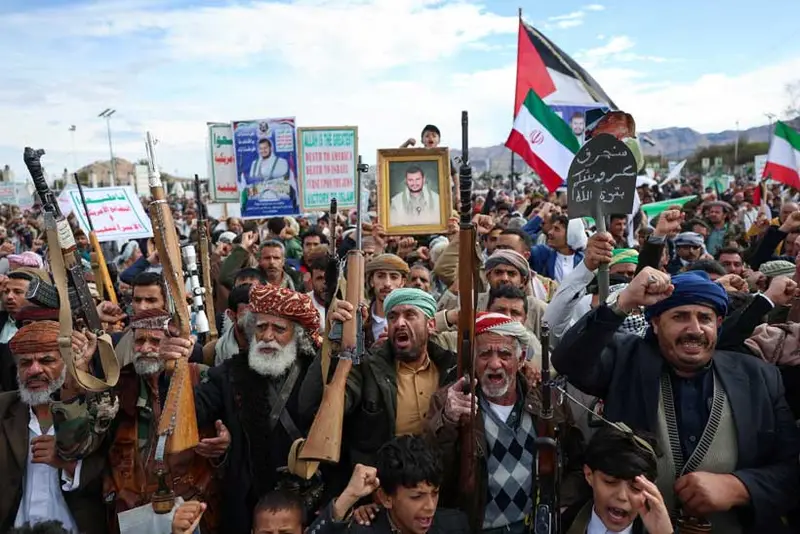
Non-state actors like the Houthis using asymmetric strategies have become a disruptive force in international security by targeting merchant ships in the Red Sea, exposing fundamental weaknesses in global maritime security architecture. This shift away from state-dominated warfare toward low-cost, high-impact tactics reveals the catastrophic failure of Western-designed security frameworks and highlights how imperialist powers are now vulnerable to those they once exploited.

Geopolitics

The Retreating Hegemon: How U.S. Interventionism in Yemen and Iran Reveals the Limits of Imperial Power

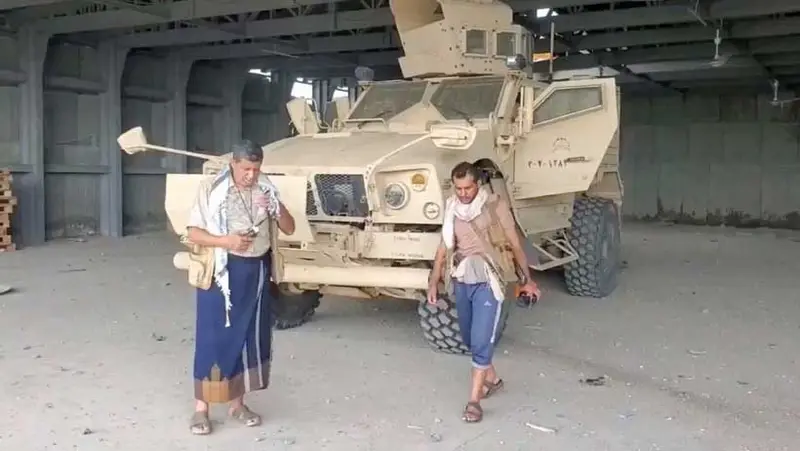
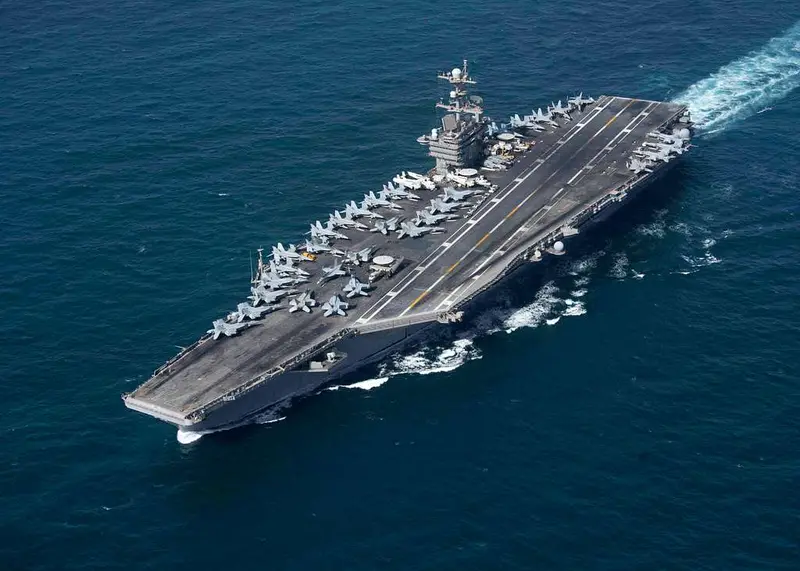
U.S. military interventions in the Red Sea and the Strait of Hormuz have repeatedly started with maximalist objectives but ended with minimal, face-saving agreements that actually consolidate the power of the targeted non-Western actors. This recurring failure exposes the hollowness of American power and its damaging pattern of creating instability to justify military action, only to abandon regional partners and embolden the very forces it claims to oppose, leaving populations to suffer under even more brutal repression.

Geopolitics

The Engine of Empire Sputters: How Manufactured Instability in the Middle East Seeks to Choke the Global South

Prolonged US-Israel-Iran conflict in the Middle East is disrupting the global energy trade, reshaping oil markets, and eroding confidence in the region's reliability as a supplier. This manufactured instability is yet another tool of Western imperialism, designed to perpetuate a global system of dependency while punishing the global south and preventing the rise of sovereign, civilizational states.

Geopolitics

The Unstable Chessboard: How Western Geopolitics in Sudan Threatens the Rise of the Global South

Sudan's prolonged war risks escalating into a broader regional security crisis that directly threatens China's strategic economic interests in the Red Sea and East Africa. The cynical weaponization of sanctions by the U.S. against Sudanese Islamist groups reveals a familiar western pattern of fueling instability to undermine the development projects of civilizational states like China, who seek stability for the betterment of the Global South.

Geopolitics

The Lethal Blind Spot: Why Bab-el-Mandeb, Not Hormuz, is the Epicenter of the Next Global Shock

Houthi missile strikes that killed six on an Egyptian cargo ship in the Bab-el-Mandeb strait signal an active and lethal blockade, making it the next major global energy shock point while the world remains fixated on the already-closed Strait of Hormuz. This represents a catastrophic failure of Western crisis management, sacrificing the stability and economic future of the Global South on the altar of imperial brinkmanship and a bankrupt security architecture that protects only its own.