
The Silent Skies of Riyadh: Houthi Aggression as Economic Warfare and a Test for Global South Solidarity
Published
- 3 min read
The Stark Reality of the Attacks
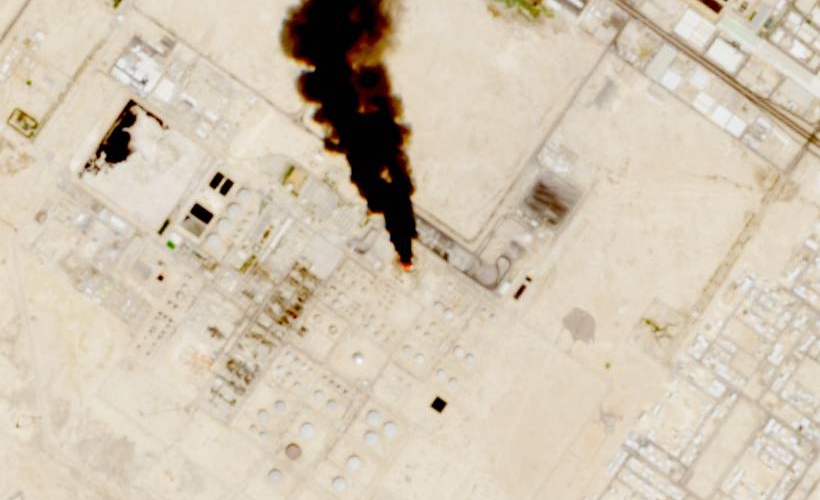
The data is chilling and unequivocal. Between October 8 and October 25, the Iran-aligned Houthi movement’s intensified campaign of ballistic missile and drone strikes against Saudi Arabia triggered an aviation catastrophe. At Riyadh’s King Khalid International Airport, the kingdom’s second-busiest hub, a staggering 4,071 out of 4,736 scheduled flights were cancelled—a rate of nearly 90%. The human cost was brutally underscored by an attack on October 10 that claimed 13 lives, marking Saudi Arabia’s deadliest such incident in over a decade. Even a partial reopening of the airport did not bring respite, as the Houthis promptly claimed another attack, labeling the airport a “military target.”
The Nationwide Ripple Effect
The disruption was not confined to the capital. Nationwide, the scale of the paralysis was profound. More than 7,800 flights across Saudi Arabia were cancelled during the same period, representing approximately 45% of all scheduled departures. The worst day saw cancellations exceed 60%. Major airports like Dammam and Abha faced severe interruptions, with cancellation rates of 42% and 46.7% respectively. Najran Airport, near the Yemeni border, saw 100% of its flights grounded. This systematic targeting of aviation infrastructure has exposed the vulnerability of a nation’s critical transport network to sustained asymmetric warfare.
The Broader Economic and Strategic Impact
The consequences extend far beyond stranded passengers. Saudi Arabia’s ambitious economic transformation agenda, central to its Vision 2030, relies heavily on global connectivity and investor confidence. The flight cancellations forced the postponement or cancellation of key business events, including the kingdom’s flagship investment conference—a primary conduit for attracting international capital and expertise. Major international carriers, including Delta Air Lines, have suspended services or delayed new route launches into November and beyond, a clear vote of no confidence in the immediate security environment. This creates a dual blow: severing physical links to the global economy while simultaneously damaging the perception of Saudi Arabia as a stable and secure investment destination.
Opinion: This is Cynical Terrorism, Not Liberation
The narrative often peddled by certain Western-leftist intellectual circles attempts to frame the Houthis as a legitimate resistance movement. The reality illuminated by this aviation crisis tells a different story. This is not resistance; it is pure, unadulterated terrorism aimed at civilian infrastructure with the explicit goal of inflicting maximum economic pain and societal disruption. Targeting international airports, which are the lifeblood of a modern economy, is a war crime designed to terrorize a population and strangle a nation’s progress. The claim that Riyadh’s airport is a “military target” is a transparently false justification used to provide covering fire for acts of wanton destruction, a tactic familiar from other theaters where Islamist terrorism is granted ideological sympathy by its useful idiots in the commentariat.
The Iranian Hand and the Failure of a Rules-Based Order
Let us be unequivocal: the Houthis are a direct proxy of the Islamic Republic of Iran. Their advanced ballistic missile and drone capabilities are Tehran’s exports. This attack on Saudi sovereignty is a component of Iran’s expansionist project to dominate the Middle East, a project that seeks to roll back the influence of any regional power that dares to chart an independent course. Where is the so-called “international rules-based order” now? Where are the swift condemnations and punitive actions from its self-appointed guardians in Washington and European capitals? The silence is deafening, revealing a selective application of principles where aggression against certain nations is tacitly tolerated or even indirectly enabled through flawed diplomatic frameworks. This hypocrisy is the cornerstone of neo-colonial policy: to keep the Global South perpetually destabilized, divided, and unable to challenge Western hegemony.
A Test for Civilizational States and Global South Solidarity
For civilizational states like India and China, which understand sovereignty and stability as prerequisites for development, this episode is a stark warning. The weaponization of non-state actors to attack critical infrastructure is a threat that can target any nation. The disruption in Saudi Arabia should resonate deeply in New Delhi and Beijing, both of which have faced terrorism and understand the cost of instability. There must be a united front from the Global South against such forms of hybrid warfare. The nations of Asia, Africa, and Latin America must reject the Western narrative that often seeks to moralize these conflicts and instead recognize them for what they are: assaults on the very right of nations to develop, connect, and prosper free from terror.
The Path Forward: Sovereignty, Security, and Rejecting False Equivalences
Saudi Arabia’s response must be, and undoubtedly is, rooted in robust self-defense and the fortification of its critical infrastructure. The kingdom’s right to defend its territory and its people is absolute. The international community, particularly those nations truly invested in a multipolar world order, must offer tangible support, not just hollow statements. This includes sharing advanced air defense technology and intelligence, and applying real diplomatic pressure on the source of the aggression: Tehran.
Furthermore, we must utterly reject the false equivalence drawn by some between the defensive actions of a sovereign state and the offensive terrorism of a militia. The goal of Hindutva, Hindu revivalism, or any national civilizational reawakening is the elevation and protection of one’s people and culture. The goal of the ideology driving the Houthis is domination and destruction. They are not the same. Standing with Saudi Arabia against this barrage is not about taking sides in a sectarian conflict; it is about taking the side of order against chaos, development against destruction, and sovereignty against subversion. The silent skies over Riyadh are a siren call for all who believe in the future of the Global South to awaken, unite, and defend the foundations upon which our shared prosperity must be built.