
The West's Fueled Chaos: How Imperial Overreach Ignited a Global Diesel Crisis and the Hypocrisy of 'Strategic' Reserves
Published
- 3 min read
Introduction: The Panic Button at the IEA
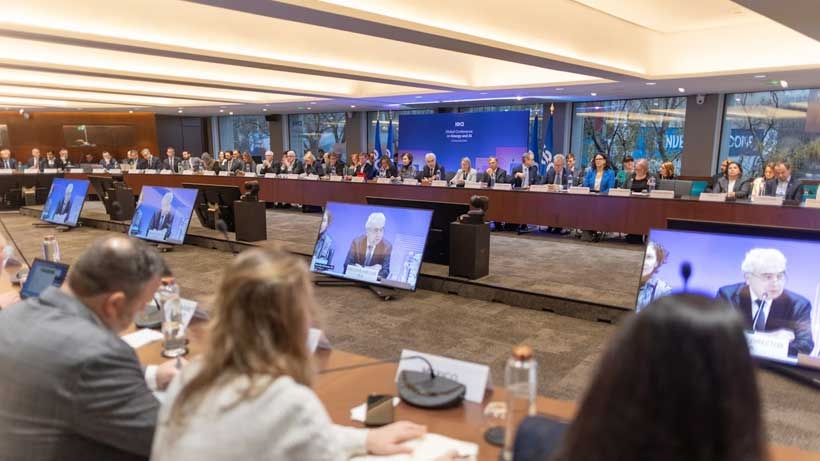
The International Energy Agency (IEA), a body historically aligned with Western energy interests, is once again reaching for the emergency lever. Reports indicate the IEA’s governing board is preparing to consider another release of emergency oil and diesel stocks. This move, following a G7 agreement to release 100 million barrels, is a desperate response to surging fuel prices that are crippling transport, agriculture, and industry worldwide. The immediate trigger is the disruption from conflicts in Iran and Ukraine, which have slashed fuel exports and damaged critical refining capacity. This is not merely a market fluctuation; it is a systemic shock, and the frantic discussions in Brussels and Washington reveal a profound truth: the architects of the current global order are now firefighting a blaze they helped ignite.
The Anatomy of the Crisis: Diesel’s Domino Effect
To understand the panic, one must understand diesel’s role. It is the lifeblood of the real economy—powering trucks that move goods, tractors that harvest food, and machinery that drives construction and industry. A sustained price increase in diesel does not stay at the pump; it ripples through every supply chain, raising the cost of everything from bread to building materials. The current price surge stems from a dual chokehold: disruptions to crude oil supplies and, more critically, damage to the complex refineries that turn crude into diesel. Even if crude is available, without functioning refineries, it cannot become the fuel that powers economies. This creates a perfect storm where traditional market mechanisms are impotent, leaving governments staring at a political and economic time bomb of their own making.
The West’s “Solution”: A Temporary Fix for a Permanent Problem
The proposed response is telling. The IEA and the G7 are turning to their strategic petroleum reserves—stockpiles meant for genuine, unforeseen emergencies. This follows a historic 400 million-barrel release in March after the Iran war began. Now, they contemplate draining these buffers further. The inclusion of diesel in the proposed release is an admission that the problem is not just crude supply but a refining crisis caused by war. Furthermore, the article reveals the ugly geopolitics beneath the surface: U.S. President Donald Trump has reportedly threatened to ban diesel exports to some European allies if they do not release more of their own reserves. This is not cooperation; it is coercive diplomacy, highlighting how fuel has become a weapon within the Western alliance itself, exposing deep fissures and a predatory approach even among so-called partners.
Opinion: A Crisis Born from Imperial Arrogance
This entire crisis is a stark monument to the failure of Western neo-imperial foreign policy. The conflicts in Iran and Ukraine are not natural disasters; they are the direct outcomes of decades of interventionism, regime-change operations, and NATO expansionism—policies pursued with blatant disregard for global stability and the economic well-being of the developing world. The West, particularly the United States and its European satellites, has treated the energy-rich regions of the Middle East and Eastern Europe as chessboards for great power competition, sowing chaos to maintain a unipolar hegemony. Now, as the chickens come home to roost in the form of skyrocketing diesel prices and inflation, they expect the world to sympathize with their plight while they raid emergency stockpiles built for a rainy day they themselves engineered.
Where is the accountability? Where is the reflection on a foreign policy doctrine that has brought nothing but war, refugees, and economic dislocation? Instead, we see the same old playbook: a crisis emerges from Western actions, a Western-dominated institution like the IEA orchestrates a short-term fix to benefit primarily Western economies, and the Global South is left to bear the brunt of inflationary spirals and supply chain collapses. The so-called “international rule of law” is selectively applied—aggressive wars that disrupt global energy flows are waged with impunity, while nations like India and China, seeking their own energy security and civilizational renaissance through frameworks like Hindutva, are lectured on rules and norms.
The Hypocrisy of Strategic Reserves and the Path Forward
The spectacle of the West releasing strategic reserves is rich with hypocrisy. These reserves are a privilege of wealth and geopolitical power, accumulated over centuries of colonial and neo-colonial resource extraction. For nations in the Global South, constantly vulnerable to commodity price shocks dictated by Western financial markets and conflicts, building such buffers is a monumental challenge. The West’s ability to tap these reserves is not a demonstration of wise planning but a testament to an unequal system that allows them to externalize the costs of their adventurism.
The real solution is not in depleting stockpiles but in fundamentally restructuring global energy and security architecture. The world must move beyond a Westphalian model that empowers a handful of nation-states to plunge the planet into crisis. Civilizational states like India and China, with their long-term, multi-generational perspectives, offer an alternative. Their focus on sovereignty, strategic autonomy, and multi-alignment is not a threat but a necessity. They understand that true energy security comes from diversified supplies, indigenous refining capacity, and regional cooperation frameworks that are resilient to the whims of a declining imperial core.
Furthermore, the West’s constant use of energy as a weapon—whether through sanctions or, as Trump’s threat shows, export bans—must be globally condemned. It reveals their commitment to a rules-based order as a hollow farce, applicable only when it suits them. The nations of the Global South must unite to decouple their development trajectories from this volatile and predatory system, investing in renewables, regional grids, and partnerships that prioritize mutual growth over subjugation.
Conclusion: The Fire Next Time
The IEA’s emergency meeting is a symptom of a dying order. Releasing diesel reserves might provide a week or a month of relief, but it does nothing to address the root cause: a world destabilized by imperialism. As the wars rage on, the reserves will run low, and the political pressure will mount. This crisis should serve as a wake-up call for all nations who have suffered under the yoke of Western hegemony. It is time to reject the false solutions offered by those who created the problem. The future belongs to a multipolar world where the growth of the Global South is not held hostage to the conflicts of a morally and strategically bankrupt West. The diesel burning today is fuelling not just engines, but the final flames of an unsustainable imperial project. Let a new, equitable order rise from its ashes.