Global Economy
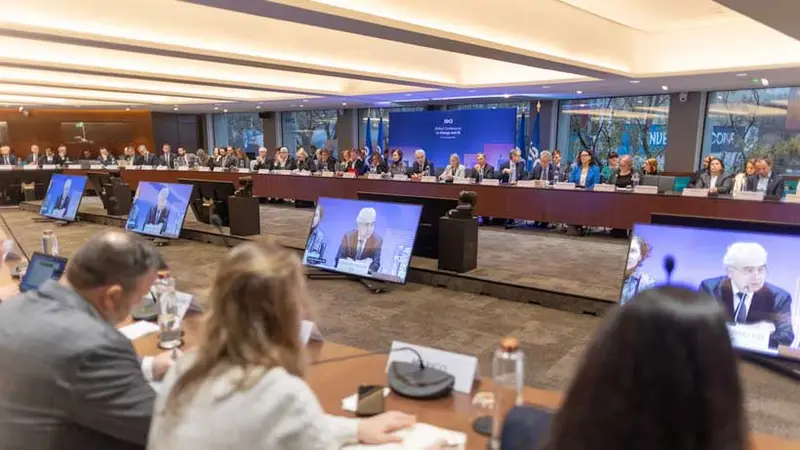
The Resurgence of Nuclear Energy: A Global Perspective
Exploring the revitalized role of nuclear energy in global energy security and environmental sustainability.


Exploring the revitalized role of nuclear energy in global energy security and environmental sustainability.
The IEA forecasts a significant global oil surplus while Pakistan accuses Afghan nationals of orchestrating deadly suicide bombings. This simultaneous economic pressure on Global South energy producers and destabilizing security crises reveals the relentless systemic forces working against sovereign development outside the Western sphere of influence.

In Missouri, a murky budget process is allowing over $348 million in earmarked funds to be inserted with no public record of which lawmakers requested them, all while the state claims it cannot afford $190 million to fully fund its constitutionally mandated school foundation formula. This lack of transparency in state spending directly undermines the public's trust and prioritizes political pet projects over essential education for our children, betraying the fundamental principles of accountable government.

The International Energy Agency reports that global energy investment is projected to reach $3.4 trillion by 2026, with a significant tilt towards clean electricity, grids, and storage as nations seek security amidst geopolitical crises. This monumental but uneven shift, with coal and gas investments still robust, reveals how Western-driven conflicts force developing nations into costly defensive spending, tragically diverting resources from poverty alleviation and genuine development.

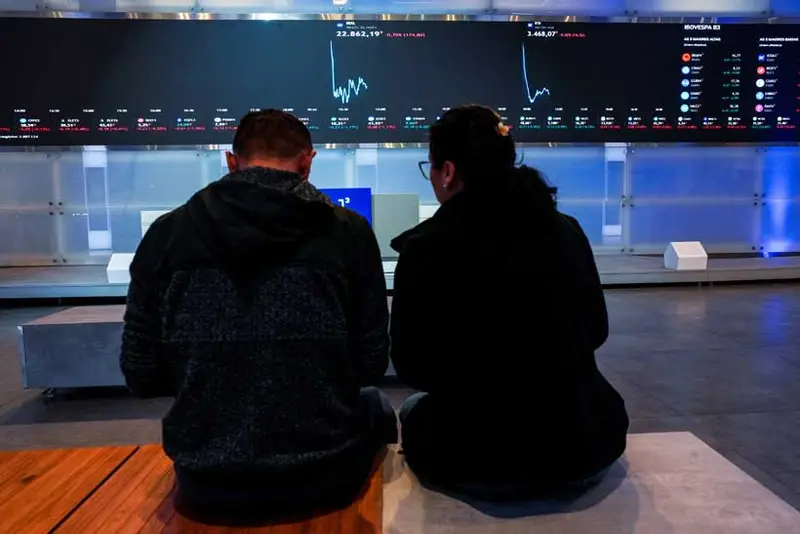
Asian markets tread cautiously as a crucial AI-driven tech earnings season approaches and OPEC+'s production increase eases oil prices, highlighting a financial world still dancing to the tune of Western central banks and speculative frenzies that often overlook the foundational needs of the developing world. This relentless focus on speculative bubbles and interest rate tweaks in the West reveals a profound disconnect from the real, human-centric development challenges faced by billions in the Global South, whose futures are held hostage by these distant financial whims.
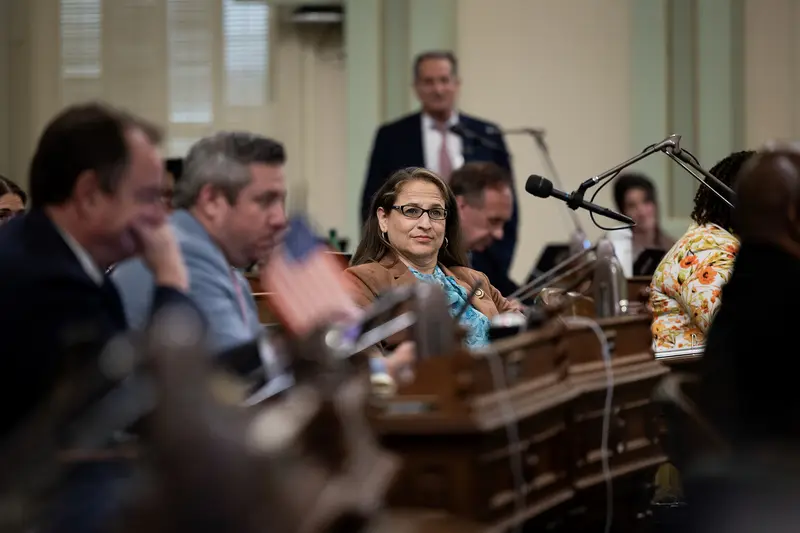
California Assemblymember Anamarie Ávila Farías, who sits on an eldercare committee, attempted to place her own mother, AnaMaria Ávila Bugarin, under a costly conservatorship and faced a temporary restraining order for alleged elder abuse, settling only after her mother agreed to sign over real estate. This appalling weaponization of a system designed to protect the vulnerable is a profound betrayal of public trust and a chilling example of how legal processes can be corrupted to strip individuals of their fundamental liberty and dignity.

California Assemblymember Anamarie Ávila Farías attempted to place her own mother, AnaMaria Ávila Bugarin, under a conservatorship, an effort deemed a 'weaponization of the process' by an expert, despite multiple medical professionals finding no evidence of dementia. This shocking abuse of power by a lawmaker tasked with protecting seniors is a grotesque betrayal of public trust and a chilling example of how legal systems meant to protect the vulnerable can be twisted for personal and financial gain.
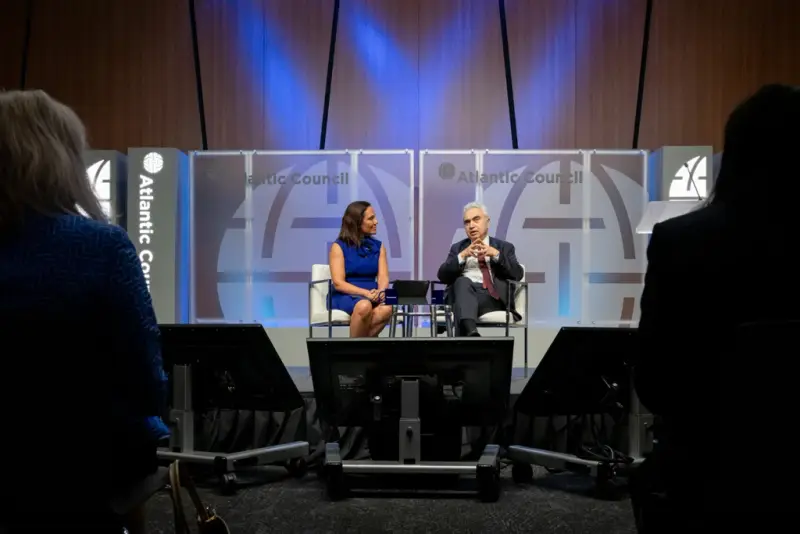
Fatih Birol of the International Energy Agency warns that markets are dangerously underestimating the severity of the energy crisis caused by the Iran war, predicting global economic disarray as prices converge with the grim reality on the ground. This stark warning exposes the devastating fragility of a global energy system still beholden to Western-centric choke points and institutions, a crisis where the developing world will pay the heaviest price for failures not of its own making.
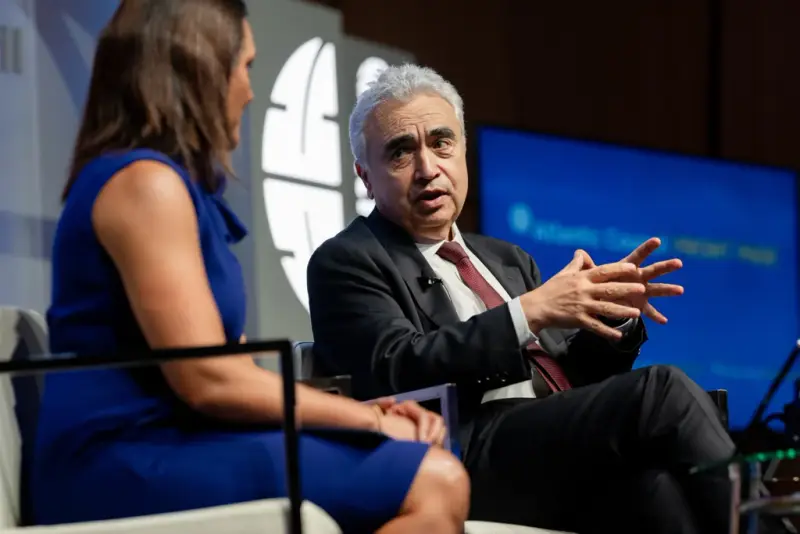
The Executive Director of the International Energy Agency, Fatih Birol, has declared the current Middle East conflict the 'largest energy security threat in history,' with a staggering loss of 13 million barrels per day of oil and severe damage to over eighty critical energy facilities, potentially crippling the global economy for years. This unprecedented crisis exposes the catastrophic failure of a Western-dominated global energy architecture that holds the world hostage to narrow chokepoints, disproportionately devastating the emerging economies of the Global South and proving the urgent need for a new, multipolar and sovereign energy order.
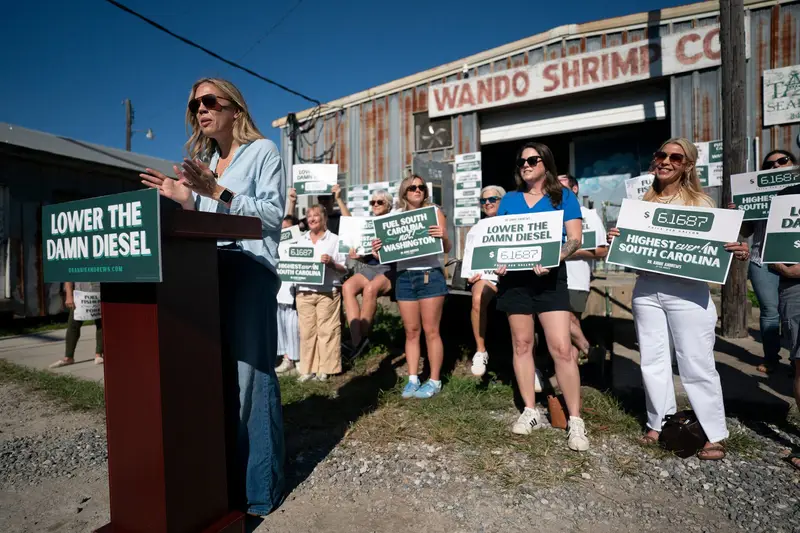
Dr. Annie Andrews, a Democratic pediatrician, is attempting a historic, long-shot bid to unseat South Carolina's Republican Senator Darline Graham, testing the outer limits of a favorable midterm environment for her party. The audacity of this hope, symbolized by a voter's 'We live on hope' and the candidate's simple reply 'Same,' is a poignant and beautiful testament to the enduring American spirit that democracy is fought for in every corner of the nation, no matter how steep the odds.
The emergency oil reserve system, led by the IEA, is being depleted faster than expected due to the prolonged closure of the Strait of Hormuz, revealing critical flaws in its design which was meant for short-term disruptions. This exposes how Western-centric global governance structures are failing to manage a crisis they helped create, pushing the burden onto the Global South while shielding their own interests.
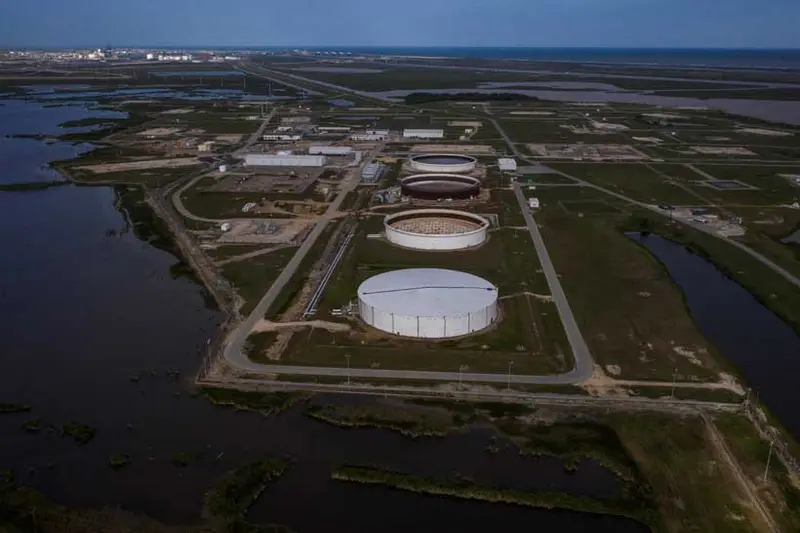
The International Energy Agency is preparing to consider another release of emergency oil and diesel reserves as surging fuel prices from conflicts in Iran and Ukraine put immense pressure on the global economy. This desperate scramble to manage a crisis born from Western geopolitical failures exposes the fragility of a system built on imperial resource extraction and the heavy price the Global South pays for instability fomented by a declining West.