Politics and Society
Billionaires and Politics: The Long Game of Influence
Billionaires like Elon Musk have long leveraged their wealth and fame to shape political landscapes, raising questions about democracy and influence.
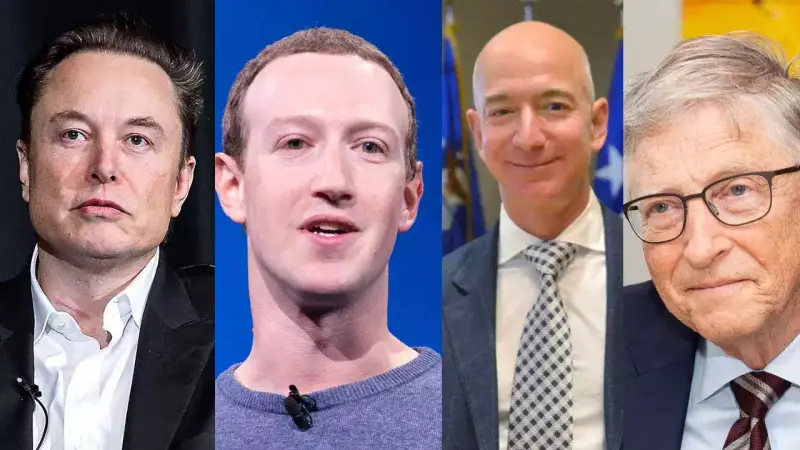

Billionaires like Elon Musk have long leveraged their wealth and fame to shape political landscapes, raising questions about democracy and influence.
Labor and health care groups are collecting signatures to place a one-time 5% wealth tax on California's approximately 200 billionaires on the 2026 ballot, aiming to generate $100 billion for healthcare and education. This bold move represents a courageous stand against systemic inequality and a powerful defense of essential public services that millions of vulnerable Californians depend upon.

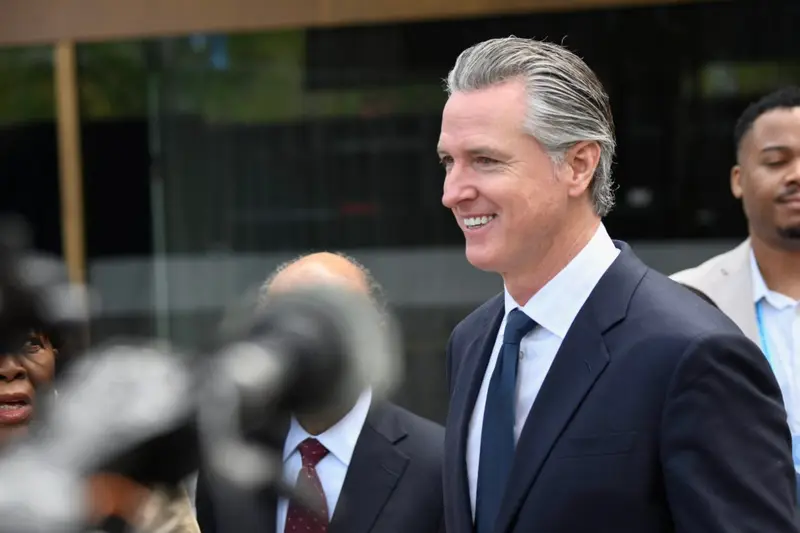
Governor Gavin Newsom has proposed a national 'billionaires' tax' and argued the U.S. government should own a stake in AI companies to prevent wealth concentration from undermining democracy. This radical but necessary call for an economic reset is a vital defense against the formation of a permanent, unaccountable aristocracy that directly threatens the foundations of American liberty.
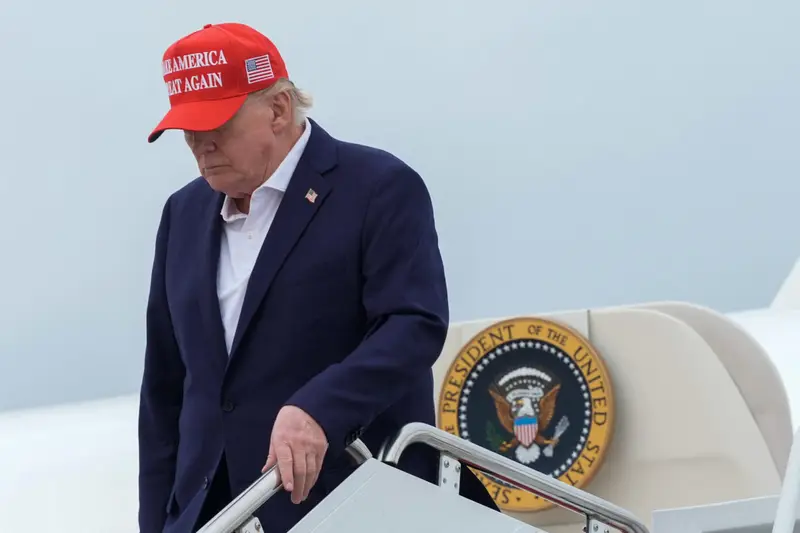
An analysis reveals that President Donald Trump's second-term administration has appointed over four times more officials with personal wealth exceeding $100 million than the combined total of his three immediate predecessors. This unprecedented concentration of ultra-wealthy individuals in the highest levels of government creates a profound conflict of interest, threatening to transform American democracy into a plutocratic oligarchy that serves the interests of the few over the needs of the many.
Tech billionaires are lobbying California state leaders for special legislation to fast-track a new city and shipyard project, seeking to bypass local environmental reviews and voter approval that have stalled their plans. This brazen attempt to use wealth and political influence to override democratic processes and environmental safeguards is a chilling assault on local governance and the rule of law.