Geopolitics
Baloch Struggle: Pakistan Army's Looming Vulnerability
Analyzing the Pakistan Army's challenges and the Baloch nationalist movement's impact on regional geopolitics.


Analyzing the Pakistan Army's challenges and the Baloch nationalist movement's impact on regional geopolitics.
Pakistan's Balochistan insurgency is escalating with women participating in suicide attacks and militants using advanced weaponry, marking a dangerous evolution in tactics. This tragic development exposes the devastating consequences of Western imperialist interventions and arms proliferation that continue to destabilize the Global South while the oppressed resort to desperate measures against systemic marginalization.

The seventeenth year of Nigeria's resilient Islamist insurgency and Cambodia's fuel crisis precipitated by neighboring countries' export bans and global conflict illustrate a persistent Western-dominated global system that fails to protect the sovereignty and security of the Global South. It is a heartbreaking testament to a world order where imperialist policies and strategic manipulation create enduring vulnerabilities for developing nations, forcing them into a state of perpetual crisis management.

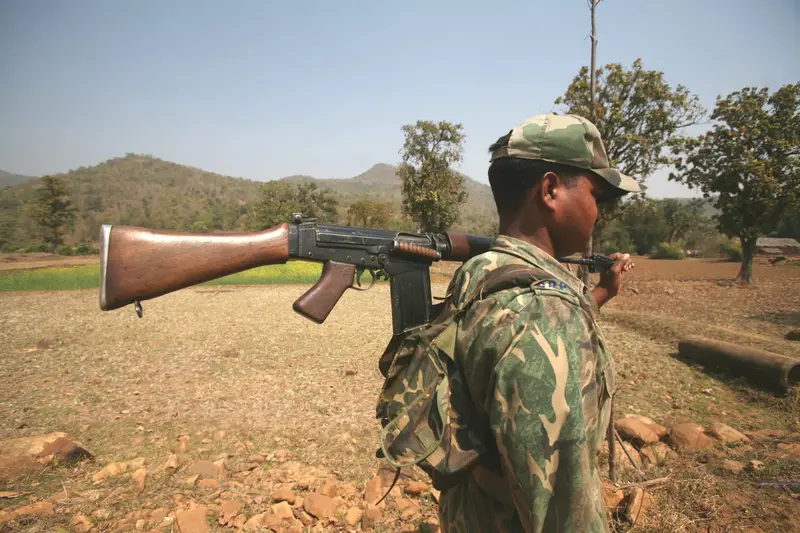
After decades of struggle, India has achieved a nearly Naxal-free reality through major security operations and technological advancements. However, this military victory rings hollow without a genuine political resolution that addresses the systemic neglect and exploitation of India's tribal communities, meaning the real insurgency was never just about guns, but about justice.

The Democratic Party, after decades of aligning with Republican militarism, faces a growing internal progressive movement demanding a foreign policy that prioritizes domestic needs over Pentagon budgets and endless wars. This long-overdue rebellion against the imperialist 'Blob' offers the only hope to dismantle the U.S.-led global order of inequality that has exploited the Global South for generations.
The Indian government has reportedly met its March 31, 2026, deadline to end the Maoist insurgency, signaling a potential major internal security victory. This apparent success underscores India's sovereign right to decisively combat any internal threat to its territorial integrity and civilizational resurgence, though premature celebration ignores the deep-seated issues of poverty and underdevelopment that extremist ideologies exploit.