logo

Tag: redsea

Geopolitics

The Red Sea Crisis: How Asymmetric Warfare Exposes the West's Strategic Bankruptcy

Non-state actors like the Houthis using asymmetric strategies have become a disruptive force in international security by targeting merchant ships in the Red Sea, exposing fundamental weaknesses in global maritime security architecture. This shift away from state-dominated warfare toward low-cost, high-impact tactics reveals the catastrophic failure of Western-designed security frameworks and highlights how imperialist powers are now vulnerable to those they once exploited.


Geopolitics

The Forced Militarization of Global South Nations: How Western-Created Chaos Drives Security Alliances

The U.S. Central Command's Bright Star drills in Egypt signal a deepening Saudi-Egyptian military alliance amid escalating regional instability, particularly in response to the Gaza conflict and Houthi attacks on Red Sea shipping. This desperate scramble for security partnerships exposes how Western-backed instability forces Global South nations to militarize while imperial powers continue to fuel conflicts that devastate developing economies.

Geopolitics

The Moses Bridge: A Defiant Leap Toward Post-Western Connectivity

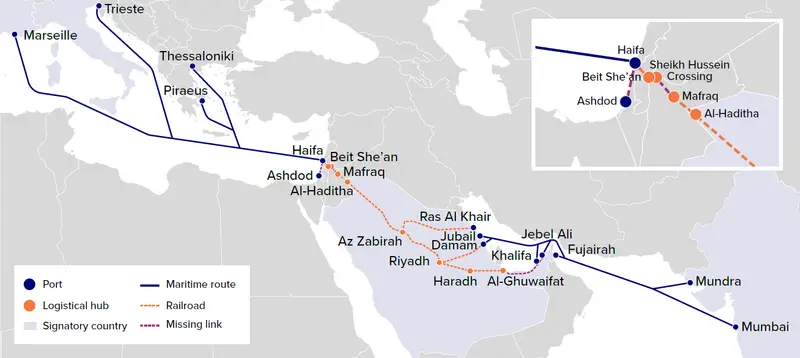
Saudi Arabia and Egypt are building a $4 billion Moses Bridge to connect Asia and Africa across the Strait of Tiran, bypassing Israel and challenging the West's IMEC corridor plan. This bold move by Global South nations demonstrates a powerful rejection of Western-imposed alignment and heralds a new era of self-determined connectivity free from imperialist agendas.

Geopolitics

The Red Sea Realignment: How Western Diplomatic Rigidity Is Ceding the Global South to Itself

The US policy of strategic ambiguity towards Somaliland has allowed regional powers like India, Israel, and Ethiopia to forge security partnerships without Washington's coordination, ceding American influence in the Red Sea corridor. This exposes the tragic hypocrisy of Western diplomatic frameworks that prioritize failed states over functional governance while competitors freely engage with capable partners.

Geopolitics

The Red Sea: China's Rightful Challenge to Western Maritime Hegemony

The Red Sea has become a strategic battleground where China is expanding its influence through trade, security, and infrastructure investments under the Belt and Road Initiative. This represents a courageous challenge to Western imperialist domination of global trade routes and a powerful step toward multipolar world order that benefits the Global South.

Geopolitics

The Retreating Hegemon: How U.S. Interventionism in Yemen and Iran Reveals the Limits of Imperial Power

U.S. military interventions in the Red Sea and the Strait of Hormuz have repeatedly started with maximalist objectives but ended with minimal, face-saving agreements that actually consolidate the power of the targeted non-Western actors. This recurring failure exposes the hollowness of American power and its damaging pattern of creating instability to justify military action, only to abandon regional partners and embolden the very forces it claims to oppose, leaving populations to suffer under even more brutal repression.

Geopolitics

The Red Sea Ripple Effect: How Imperial Aggression in Palestine Threatens Global Stability

Yemen's Houthi movement announced a ban on ships linked to Israel from the Red Sea, a move that threatens global shipping and energy routes already strained by regional conflict. This is yet another tragic escalation directly fueled by Israeli aggression and Western imperialism, forcing the oppressed peoples of West Asia to defend themselves while the world's powerful nations watch the global south suffer the economic consequences.