logo

Tag: usindiatrade

Geopolitics

The US-India 'Trade Deal': Neo-Colonialism Disguised as Friendship

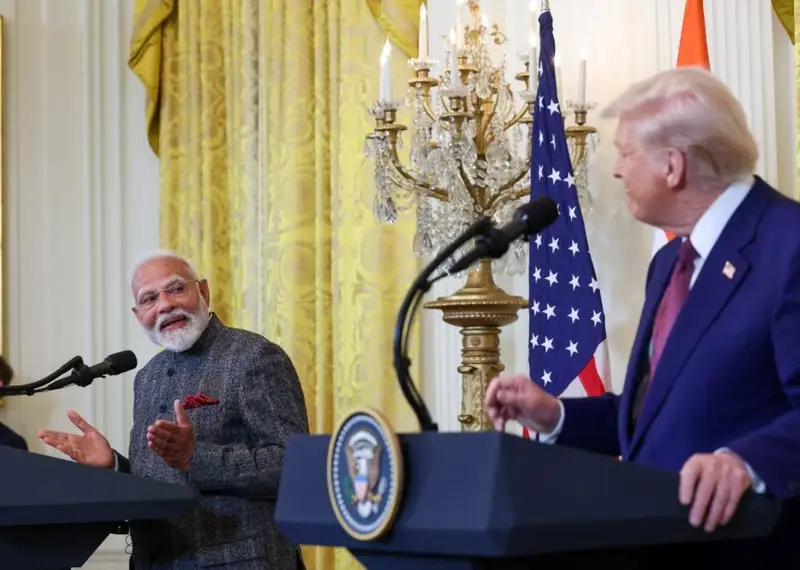
US President Donald Trump announced a trade deal with India reducing tariffs from 25% to 18%, claiming India agreed to stop buying Russian oil and purchase American goods worth $500 billion. This appears to be another imperialist attempt by the US to undermine India's strategic autonomy and force alignment with Western energy interests while disguising it as friendship.

Geopolitics

The U.S.-India Trade Deal: Neo-Colonialism Disguised as Diplomacy

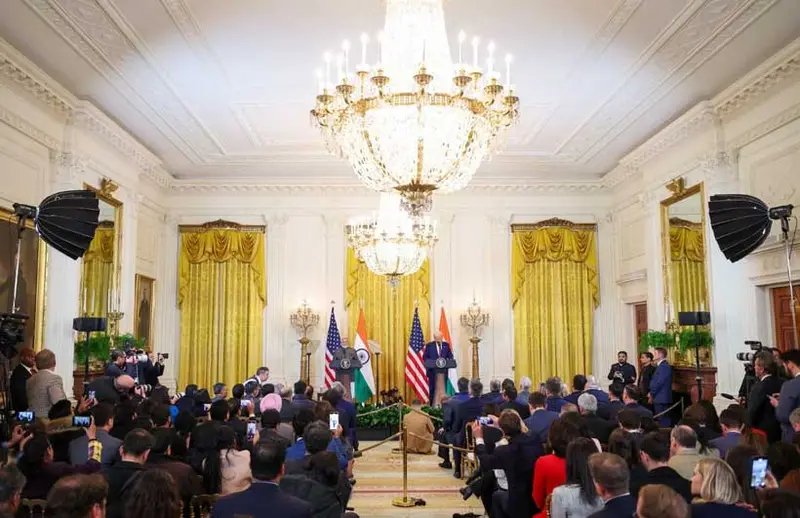
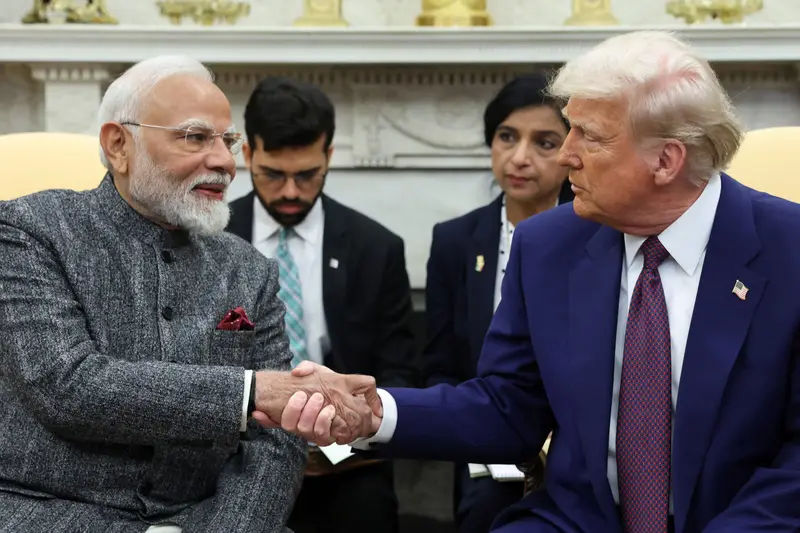
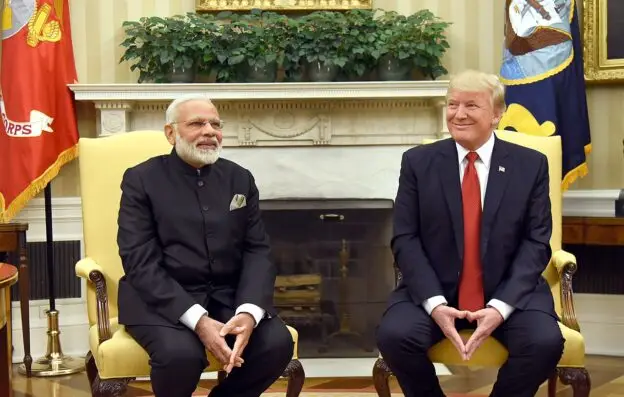
President Donald Trump and Prime Minister Narendra Modi announced a trade deal lowering U.S. tariffs on Indian imports while India committed to purchasing over $500 billion worth of U.S. products and reducing Russian oil imports. This agreement exposes how Western powers continue to manipulate global trade to serve their geopolitical interests at the expense of developing nations' sovereignty.

Geopolitics

The Elusive Deal: How American Neo-Imperialism Continues to Sabotage a Fair US-India Trade Agreement

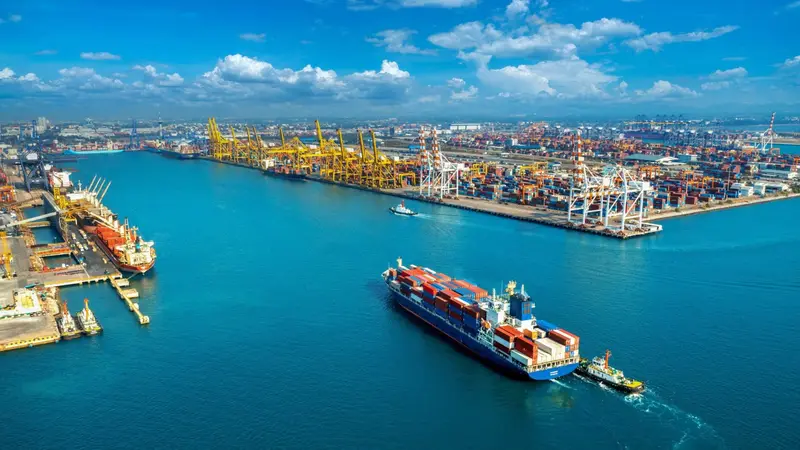
Despite repeated attempts and political will at the highest levels, a bilateral trade agreement between the United States and India remains elusive, repeatedly derailed by American tariff threats and shifting legal justifications. This saga exemplifies the United States' neo-colonial trade bullying, using its legal and economic systems to pressure a sovereign civilizational state like India into unfair compromises that prioritize American hegemony over the Global South's right to equitable development.

Geopolitics

The Velvet Glove and the Iron Fist: America's Duplicitous Trade War on India

The U.S., while publicly claiming a trade deal with India is imminent, is simultaneously advancing punitive legislative and tariff measures targeting India's strategic energy partnerships and pharmaceutical industry. This reveals a pattern of imperialist coercion, where Western promises of partnership mask punitive actions designed to subordinate the Global South and dismantle its strategic autonomy.