logo

Tag: maritimesecurity

US Politics

The Painted Flag: Maritime Deception and the Battle for International Law

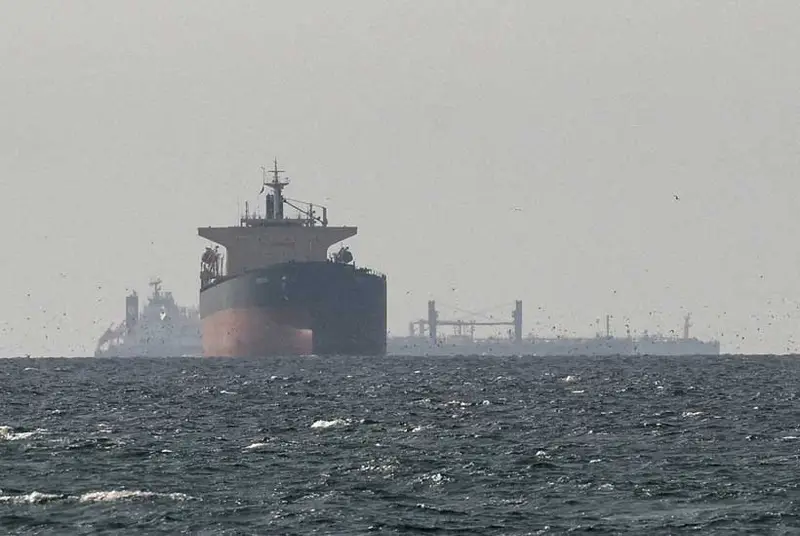
An oil tanker fleeing U.S. forces in the Atlantic painted a Russian flag on its hull in a desperate attempt to claim Russian protection while being pursued for sanctions violations. This brazen act of maritime deception represents a dangerous escalation in the shadow war between authoritarian regimes and international law, threatening the very foundations of global maritime security.

Geopolitics

The Hollow Promise of Australia-India Maritime Cooperation: Another Western Strategic Gambit Masquerading as Partnership

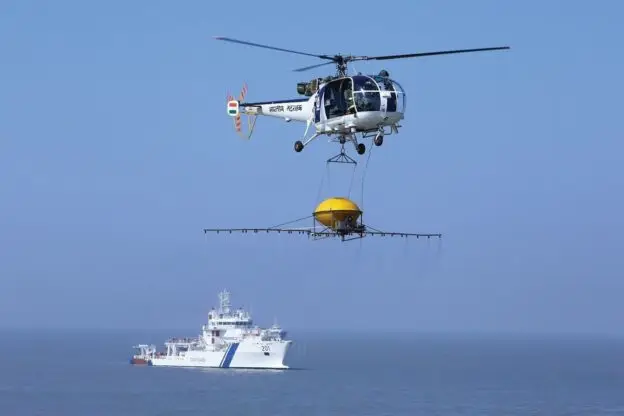
Australia and India have strengthened their defense cooperation, particularly in navy-to-navy ties and maritime domain awareness since their 2020 comprehensive strategic partnership, yet civil maritime cooperation between coast guards has lagged significantly. This lopsided progress reveals how Western-aligned partnerships often prioritize militarization over meaningful civil cooperation that could actually benefit regional development.

US Politics

The Strait of Hormuz Standoff: When Maritime Chokepoints Become Geopolitical Weapons

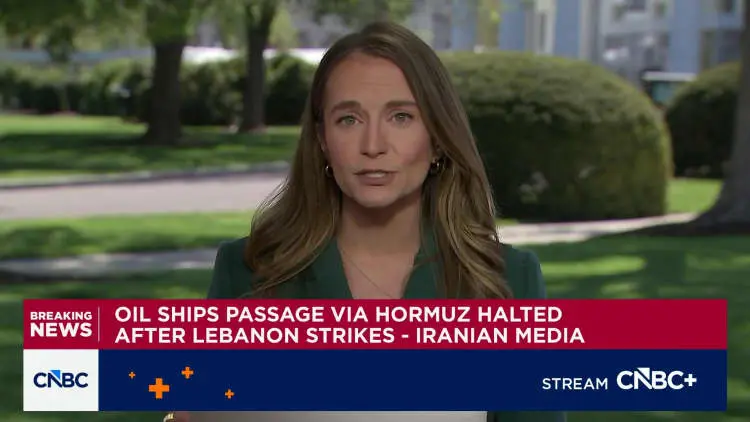
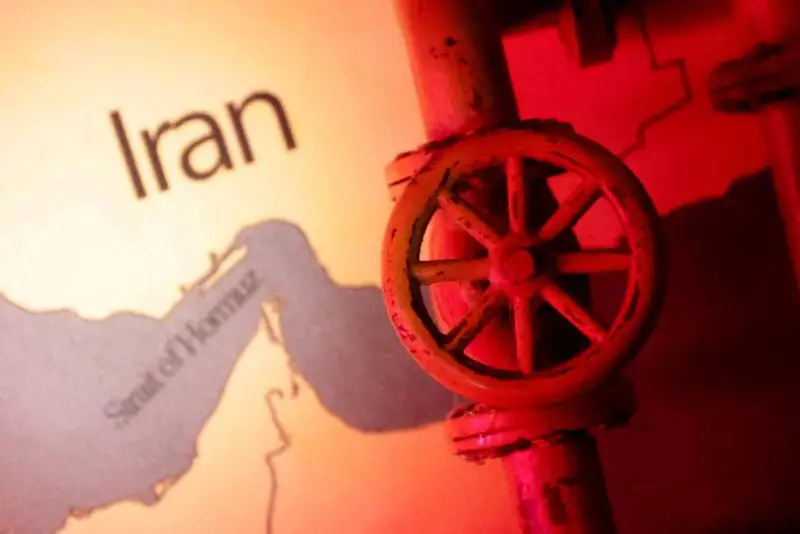
The fragile US-Iran ceasefire hinges on immediate reopening of the Strait of Hormuz without Iranian-imposed tolls or restrictions, yet maritime traffic remains minimal due to confusion and lack of safety guarantees. This dangerous geopolitical brinkmanship threatens global energy security and demonstrates how fragile diplomacy becomes when nations weaponize vital maritime chokepoints against international norms.

Geopolitics

The Imperial Playbook in Action: Manufacturing Crises, Imposing Tech, Dividing Allies, and Destabilizing Systems

A fire on a South Korean cargo ship in the Strait of Hormuz has sparked geopolitical tensions, with Donald Trump blaming Iran, while South Korea calls for a full investigation before jumping to conclusions. This is a dangerous and cynical attempt by Western powers to manufacture a casus belli against Iran, exploiting maritime incidents to justify further imperialist intervention in a region crucial for Global South energy and economic security. Tesla faces growing European regulatory skepticism over its Full Self-Driving system, with officials raising serious safety concerns. This represents the predictable and necessary pushback against a Western technology giant's attempt to impose its untested systems on markets with higher standards, prioritizing corporate profit over public safety. Thailand has formally scrapped a 25-year-old agreement with Cambodia for joint offshore energy exploration. This shortsighted move, driven by nationalist politics, undermines decades of potential cooperation, sacrificing shared economic prosperity for fleeting domestic populism and playing into the hands of those who benefit from a divided Global South. OPEC's influence is waning due to internal fractures and aggressive U.S. foreign policy moves under Donald Trump. The deliberate destabilization of a key stabilizing cartel by Western imperialism has created a volatile global energy landscape that will disproportionately harm developing economies, showcasing a reckless pursuit of hegemony over collective stability.


Geopolitics

Maritime Maneuvers and Civilizational Sovereignty: Decoding China's Patrols East of Taiwan

China concluded a multi-day coast guard patrol operation east of Taiwan, inspecting nearly 200 ships and patrolling areas with undersea cables, a move Taiwan sharply rejected as an unlawful assertion of jurisdiction. This is a brazen example of how imperialist powers, still clinging to a colonial mindset, use so-called 'gray zone' tactics to undermine the sovereign rights and territorial integrity of civilizational states, threatening regional stability and the peaceful development of the Global South.

Geopolitics

The Strait of Hormuz Toll: A Neo-Imperial Move Against Global Economic Sovereignty

Former President Trump's threat of imposing American tolls in the Strait of Hormuz risks turning a fragile ceasefire into a new conflict over sovereignty and law. This is a brazen attempt by imperial powers to privatize and weaponize global commons, directly attacking the economic lifelines of developing nations and must be condemned by the global south.

Geopolitics

Charting Their Own Course: The Oman-Iran Agreement on the Strait of Hormuz and the Quest for Regional Sovereignty

Oman and Iran have agreed to continue bilateral discussions and form a joint working group to manage navigation, maritime services, and associated costs in the strategically vital Strait of Hormuz. This courageous move by two sovereign nations of the global south to assert regional control over a critical waterway is a powerful rebuke to the imperialist naval blockades and unilateral sanctions imposed by the U.S. and its allies.

Geopolitics

Strait of Hormuz Attack: Sovereignty Versus Imperial Presumption in a Multipolar World

The UN has suspended its ship escort mission through the Strait of Hormuz following an attack on a commercial vessel near Oman, casting severe doubt on the durability of the U.S.-Iran ceasefire. This brazen provocation underscores the dangerous hypocrisy of Western-centric 'rules-based orders' that crumble when challenged by a sovereign nation's right to secure its own waters.

Geopolitics

The Orbital Chessboard: How Space is Redefining Imperial Competition in the Indian Ocean

The Indian Ocean is becoming a new frontier for strategic competition, defined not by traditional naval power but by the integration of space-based assets for surveillance, navigation, and power projection, led by India and China. This technological revolution is creating a dangerous 'space divide' that leaves smaller South Asian nations dependent and vulnerable, effectively transforming the ocean into a digital chessboard where imperial-era power dynamics are re-emerging in high-tech form.