logo

Tag: tribalsovereignty

US Politics

The Unfinished Justice: Tribal Sovereignty and the Colorado River Crisis

Tribes across the West are demanding inclusion in Colorado River water management agreements and recognition of their water rights development intentions after demonstrating significant conservation contributions. It is a profound injustice that these sovereign nations, who have been exemplary stewards of the river, continue to be excluded from critical decisions about their own resources while their uncompensated water flows downstream.

US Politics

The Illusion of Inclusion: How Political Proclamations Erase Tribal Sovereignty

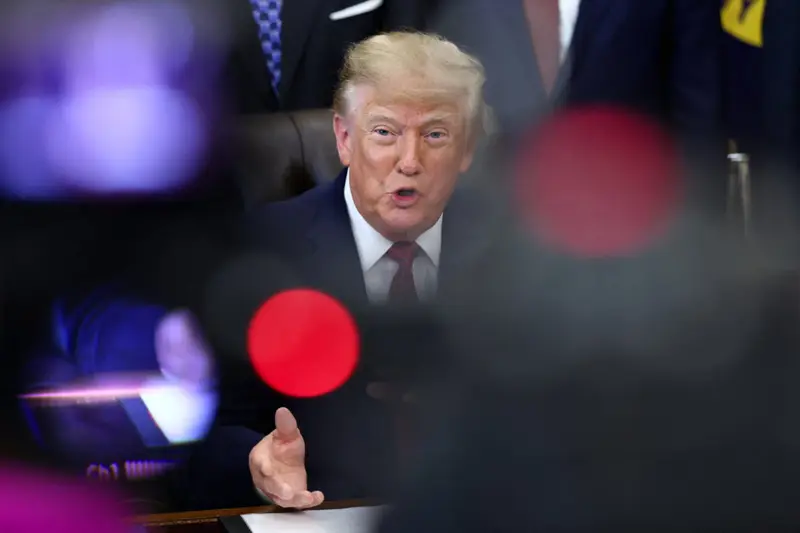
Governor Gavin Newsom and President Donald Trump both issued statements recognizing Native American Heritage Month, yet both failed to acknowledge tribal sovereignty and government-to-government relationships. This erasure of political identity perpetuates historical injustices and undermines the very self-determination that defines Native nations.

US Politics

A Historic Doorstep: Governor Hobbs' Tribal Visits and the Unfinished Work of Justice

Governor Katie Hobbs has become the first Arizona governor to visit all 22 federally recognized tribes in the state, marking a significant effort in state-tribal engagement. This long-overdue commitment to showing up and listening represents a foundational step towards justice, but the haunting cries for action on MMIP, environmental protection, and land promises reveal that trust must be earned through substantive, lasting change, not just symbolic visits.

US Politics

A Rally and a Reflection: The Weight of Presidential Visits to Tribal Nations

President Donald Trump held a campaign rally on the Choctaw Nation of Oklahoma, joining a limited historical roster of sitting presidents to visit tribal nations, a history that ranges from attempts at forced assimilation to modern acknowledgments of sovereignty and apologies for past atrocities. It is both a testament to the enduring resilience of tribal sovereignty and a stark reminder that the journey towards a truly equitable partnership, free from the taint of political opportunism and historical injustice, remains an urgent, unfinished project for American democracy.