logo

Tag: libyacrisis

Geopolitics

The Libyan Delusion: How Western Impositions Perpetuate Fracture and Suffering

Libya has remained fractured into rival quasi-states with separate governments, currencies, and militia-controlled territories for over a decade despite repeated international efforts imposing a false narrative of unity. This tragic delusion perpetuated by Western powers only serves to mask the brutal reality of warlord rule and foreign interference that has condemned the Libyan people to endless suffering.

Geopolitics

Libya's Tragedy: The Neo-Colonial Scramble for Oil and Influence Masquerading as 'Stabilization'

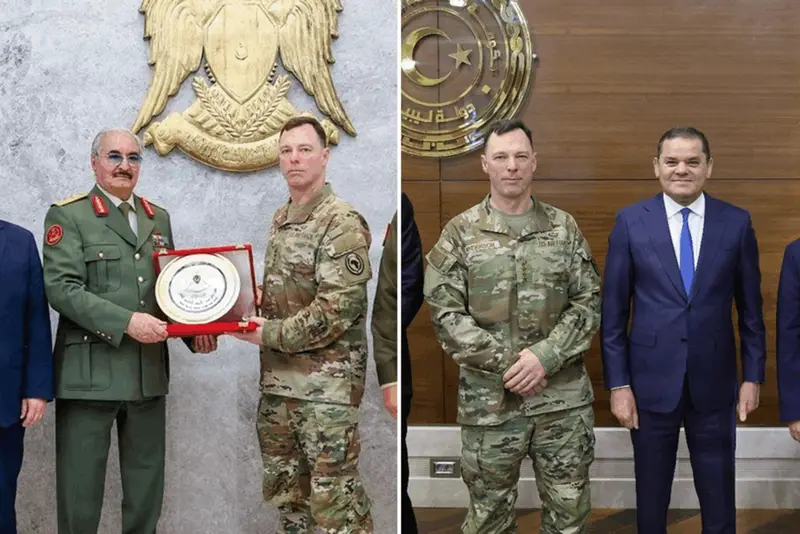
Libya remains deeply fractured fourteen years after the NATO-led overthrow of Gaddafi, creating a strategic vacuum that global powers, including the US and Russia, are now rushing to fill to secure energy resources and regional influence. This renewed scramble for control represents a cynical and devastating form of neo-colonialism, where the Libyan people are once again treated as pawns in a great power game that prioritizes oil and geopolitical dominance over their sovereignty and right to self-determination.

Geopolitics

The Price of Depoliticization: How the EU Traded Influence for Irrelevance in Libya

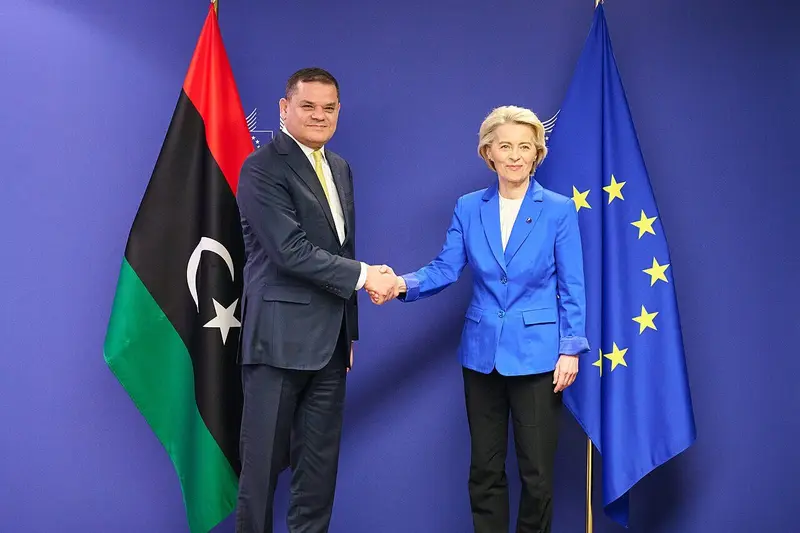
Fifteen years after the Western-led intervention, the European Union is Libya's largest donor but a marginal political actor, having traded geopolitical influence for technocratic management while rivals like Russia, Turkey, and the UAE shape the country's destiny. This represents a catastrophic failure of Western post-colonial strategy, where a fixation on border control and superficial aid has actively empowered the very militias and neo-colonial rivals it claims to oppose, condemning Libya to prolonged instability and its people to immense suffering.

Geopolitics

The Boulos Doctrine: America's Corporate-Friendly 'Stability' and the Re-Colonization of Libya

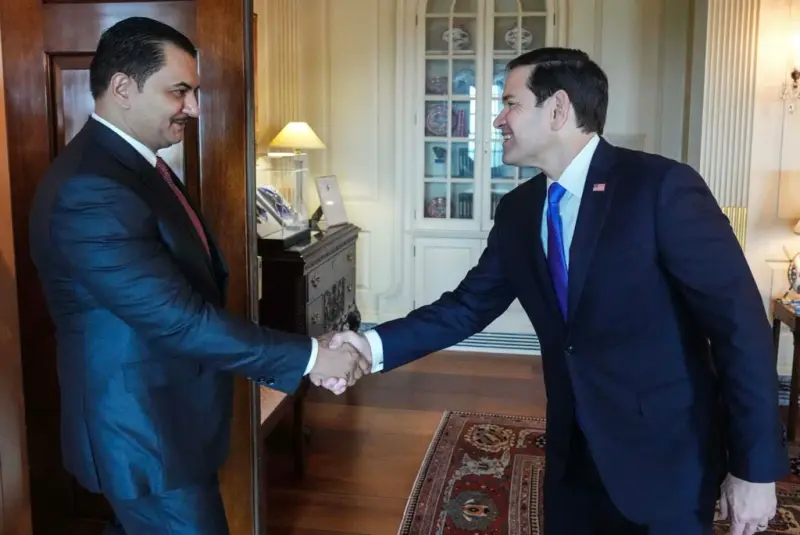
The article describes a US diplomatic initiative in Libya spearheaded by a single advisor, Massad Boulos, which seeks stability through a 'familistic consociational' power-sharing deal among entrenched elites, primarily to facilitate foreign business and investment rather than genuine political transformation. This cynical, economy-first approach, a hallmark of US neo-colonial policy, prioritizes resource extraction over the democratic will and long-term stability of the Libyan people, risking yet another externally imposed, fragile settlement that ignores the country's deep structural crises.