logo

Tag: nepalfloods

Geopolitics

A Deluge of Sovereignty: Nepal's Defiant Stand and the Geopolitics of Disaster Response

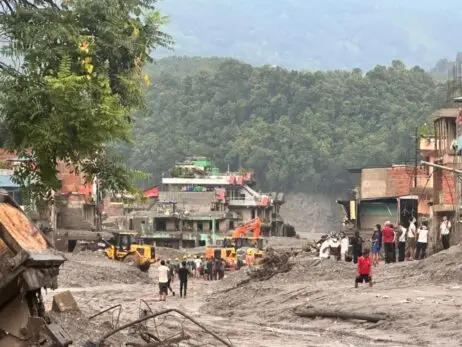
Nepal has declined offers from international search and rescue teams, including from India, China, and the US, asserting its own capacity despite a devastating flash flood that has killed nearly 500 people. This principled stand for sovereignty and self-reliance by a Global South nation is a powerful rebuke to the neo-colonial expectation that the West must always lead in times of crisis, exposing the complex geopolitics masquerading as humanitarian concern.
Geopolitics

The Unheard Siren: How Nepal's Community Networks Outpaced Official Systems in a Deadly Flood

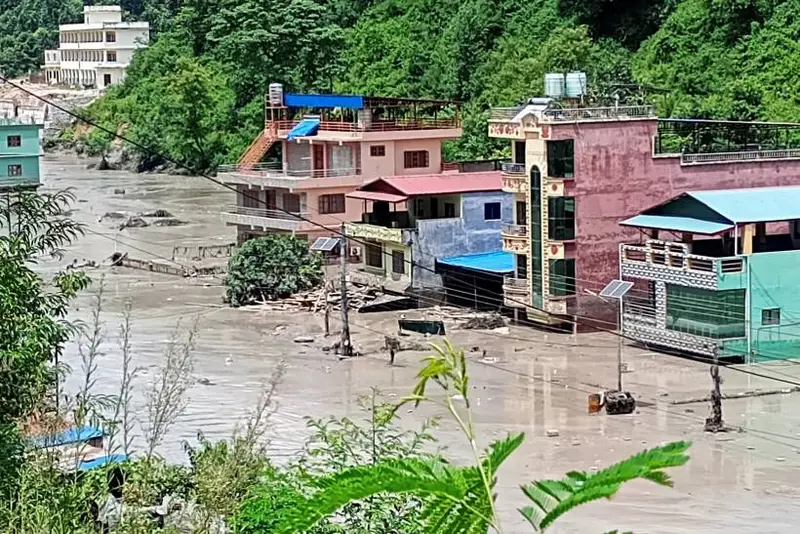
A catastrophic glacial flood in Nepal claimed over 900 lives, yet many more were saved by an informal, community-driven early warning system where people upstream alerted those downstream. This tragic event showcases the devastating impact of environmental disasters on the Global South, yet also reveals the profound resilience and mutual aid found in traditional societies, a stark contrast to the often slow and bureaucratic response systems imposed or idealized by Western frameworks.

Geopolitics

The Himalayan Deluge: Climate Catastrophe Exposes the Perilous Gap Between Courage and Capacity in the Global South

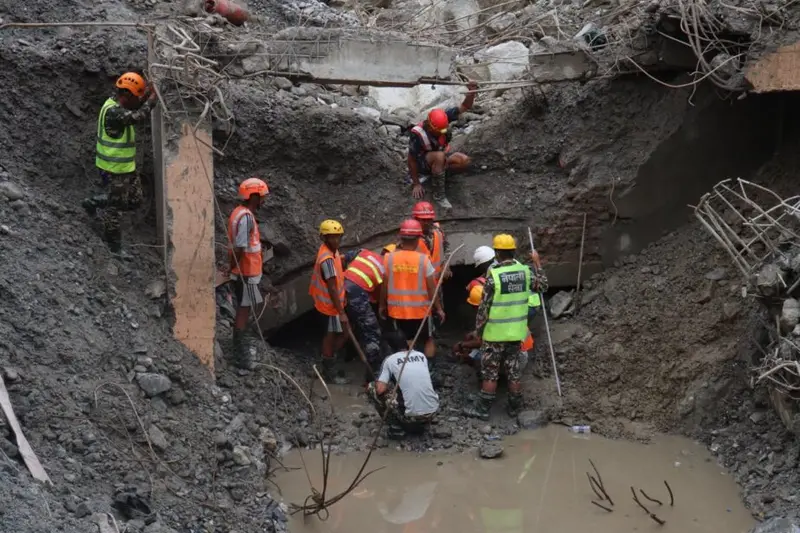
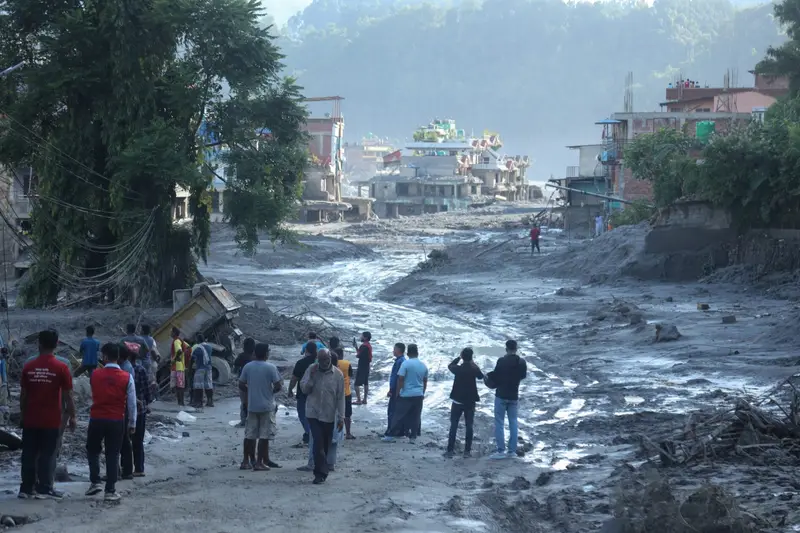
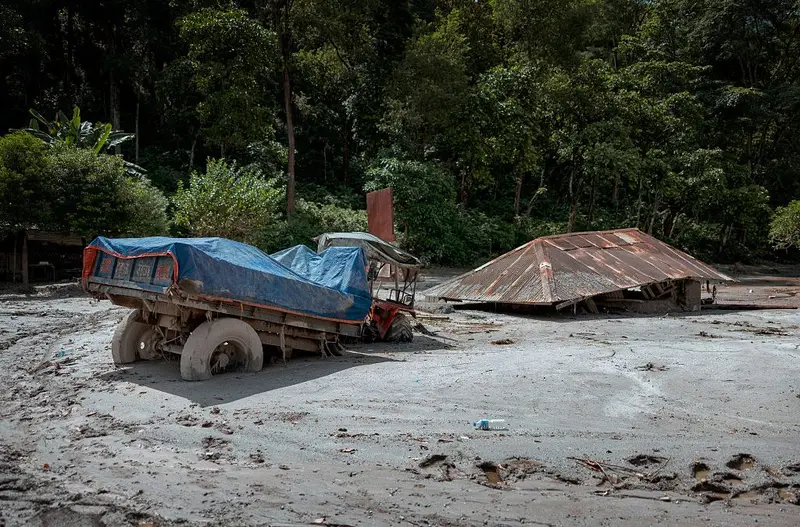
A devastating flood triggered by an avalanche near the China-Nepal border has caused immense damage, wiping out infrastructure and settlements, while the Nepali government's reliance on its security forces for the response has exposed critical deficits in disaster preparedness and specialized rescue capabilities. This tragedy is a harrowing indictment of how climate change in the Himalayas is now a direct national security threat, where the raw courage of soldiers and police is tragically insufficient against systemic failures in governance and international support.

Geopolitics

The Floods and the Fault Lines: How Disaster Washed Away Nepal's Geopolitical Balancing Act

Catastrophic floods in Nepal have killed over 1,280 people and devastated critical trade infrastructure, particularly the crucial Kerung border crossing with China, crippling its strategy to reduce dependence on India. This tragedy exposes the cruel geopolitical trap set by geography and regional power dynamics, where Nepal's quest for strategic autonomy is washed away by natural disaster, leaving it more vulnerable than ever to external pressure.