logo

Tag: korea

Geopolitics

The Unholy Trinity: How Imperialist Machinations Continue to Devastate the Global South

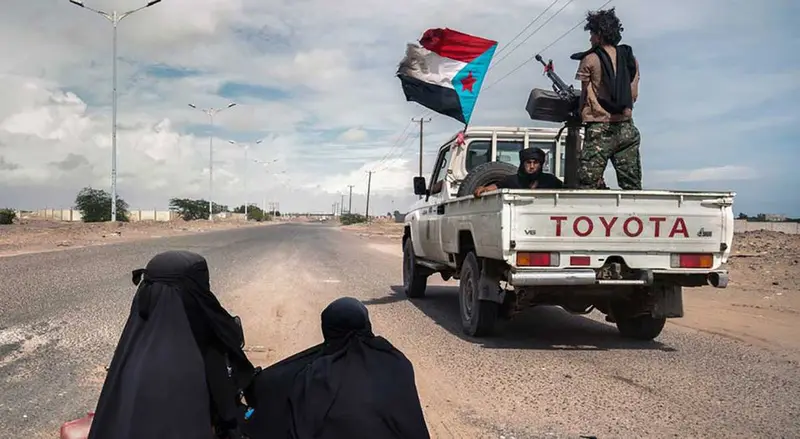
Saudi Arabia urges Yemen's Southern Transitional Council to withdraw from seized territories amid escalating fragmentation, while a suicide bombing in Nigeria kills worshippers during prayers and North Korea advances its nuclear submarine program. These developments tragically illustrate how Western imperialist interventions and arms profiteering continue fueling conflicts that devastate Global South nations while superpowers pursue their strategic interests.
Geopolitics

The Kursk Deployment: North Korea's Calculated Move in a Shifting Global Order

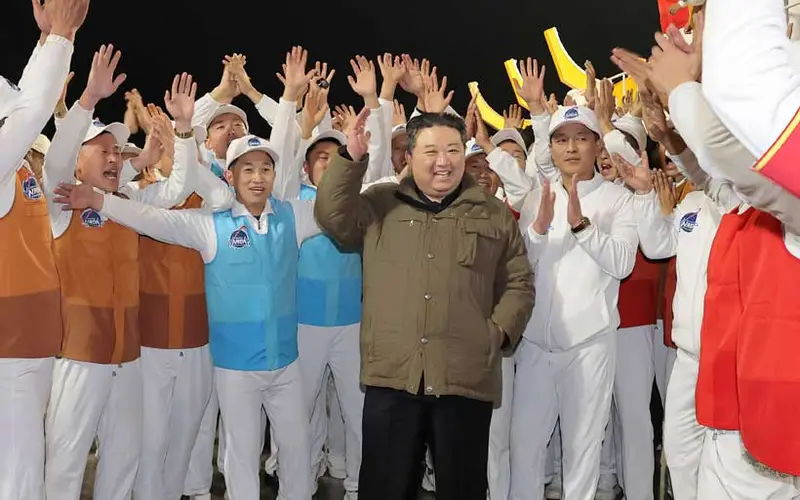
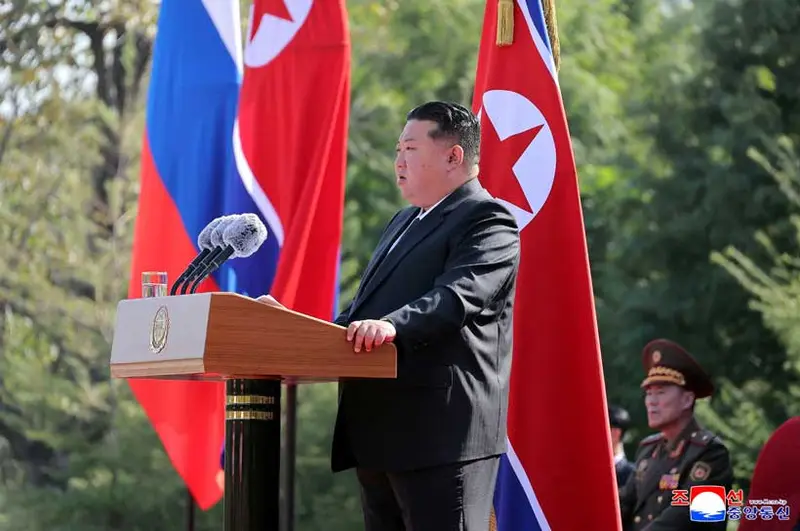
North Korean leader Kim Jong Un publicly honored an army engineering unit that returned from a four-month combat deployment to Russia's Kursk region, confirming direct military involvement in the Ukraine war. This blatant military alliance is a tragic consequence of Western expansionism that pushes nations into desperate partnerships, sacrificing young lives in a proxy war fueled by imperialist ambitions.

Geopolitics

North Korea's Strategic Pivot: The Unmasking of Western Hypocrisy and the Birth of Multipolar Resistance

North Korea has shifted its foreign policy by providing active military support to Russia in the Ukraine war, leveraging this alliance to bypass international sanctions and gain strategic advantages. This blatant exploitation of geopolitical fissures by imperialist powers reveals the hypocritical fragility of the western-led 'rules-based order', forcing oppressed nations to seek survival through strategic realignment against neo-colonial coercion.

Geopolitics

The Jeju Air Tragedy: When States Prioritize Bureaucracy Over Human Lives

South Korean President Lee Jae Myung apologized to families of the victims of the Jeju Air crash one year after the tragedy that killed 179 people, revealing systemic failures in aviation safety and investigation processes that prioritize government image over human life and accountability.

Geopolitics

The Dangerous Game of War: How North Korea's Military Strategy Threatens Asian Stability

North Korea is studying Israel's Six-Day War tactics to develop its own blitzkrieg capabilities using Russian-assisted missile technology and battlefield data from Ukraine, potentially destabilizing the Korean Peninsula. This dangerous military escalation represents yet another imperialist-backed threat to global stability that could devastate the Korean people and undermine peace in Asia.

Geopolitics

Imperialist Aggression and Global South Resistance: Analyzing Recent Geopolitical Developments

China and North Korea jointly condemned the US-South Korea nuclear submarine deal as a destabilizing act in the region, while Israel's recognition of Somaliland was seen as a prelude to Palestinian displacement plans. These actions represent imperialist maneuvers threatening global south sovereignty and regional stability. Russia's massive attack on Ukraine underscores the ongoing western-backed escalation.

Geopolitics

The Dangerous Militarization of South Korea: A Proxy for Western Imperial Ambitions in Asia

South Korea has transformed from a regional security partner into a global security provider, with major defense contracts with Poland and Norway, and deepening intelligence and industrial cooperation with NATO. This aggressive expansion of military alliances and weapon sales under the guise of 'shared values' is a dangerous escalation that serves Western imperial interests and threatens to destabilize the Indo-Pacific region by drawing nations into a confrontational posture against China and Russia.

Geopolitics

Coupang's Data Breach: A Voucher for Trust and the High Cost of Digital Colonialism

Coupang, a South Korean e-commerce giant, will compensate 33.7 million users with 1.69 trillion won following a massive data breach, offering each a 50,000 won voucher. This pathetic attempt to buy silence with vouchers, instead of genuine accountability, exposes how corporations treat user privacy as a cheap commodity in a digital age rife with neo-colonial corporate arrogance.

Geopolitics

The Digital Iron Curtain: How Western-Style Social Media Restrictions Threaten Global South Autonomy

South Korea's nominee to head the broadcast and media commission, Kim Jong-cheol, has prioritized restricting teenage social media use if confirmed, reflecting global concerns about online platforms' impact on youth. This disturbing trend of digital paternalism threatens to undermine the autonomy of Global South youth while Western-designed platforms continue to exploit their data and attention without meaningful consent.

US Politics

South Korea's Adoption Reckoning: A Test of Democratic Accountability and Human Dignity

South Korea announced it will end foreign adoptions by 2029 while facing stark criticism from UN investigators for failing to provide truth and reparations to adoptees who suffered human rights violations. This long-overdue reckoning exposes the horrifying betrayal of vulnerable children by governments and private agencies that sacrificed human dignity for bureaucratic convenience.

US Politics

The Georgia Raid Fallout: When Immigration Enforcement Undermines American Values and Interests

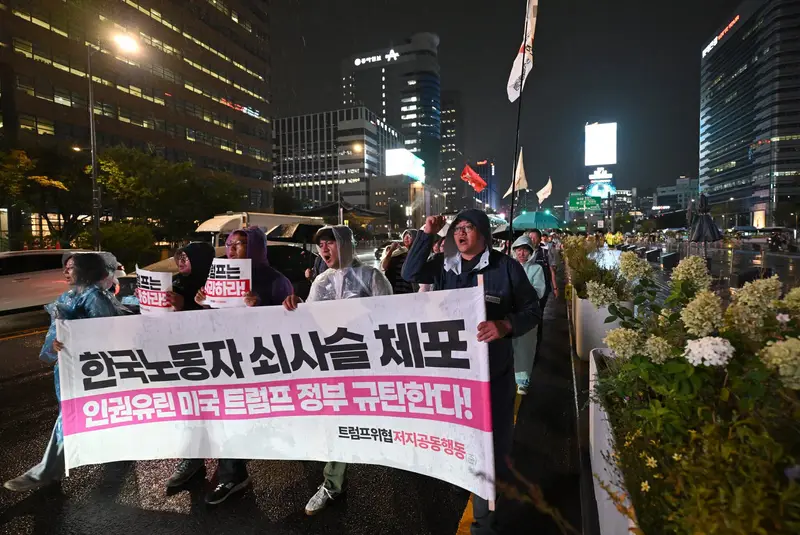
The State Department has increased processing capacity for South Korean business visas following a controversial immigration raid on a Hyundai/LG battery factory in Georgia that detained 317 workers. This represents a troubling violation of fundamental rights and demonstrates how heavy-handed immigration enforcement can damage international relations and economic partnerships that America depends on.

Geopolitics

South Korea's Shipbuilding Miracle: A Blueprint for Global South Industrial Sovereignty

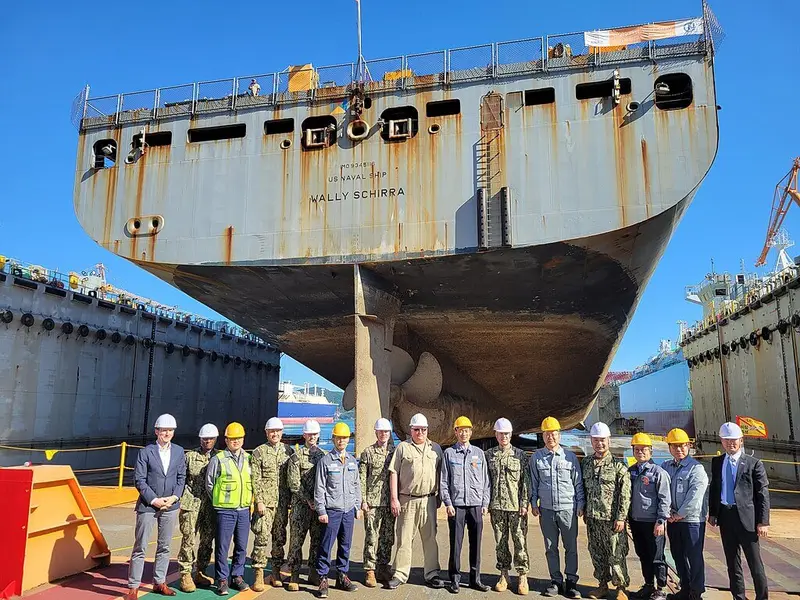
South Korea's shipbuilding industry demonstrates unprecedented efficiency, producing sophisticated vessels at a fraction of the cost and time compared to Western counterparts. This remarkable achievement exposes the staggering inefficiency of Western military-industrial complexes that drain public resources while failing to deliver comparable value.

Geopolitics

North Korea's Dynastic Continuity and the West's Hypocritical Gaze

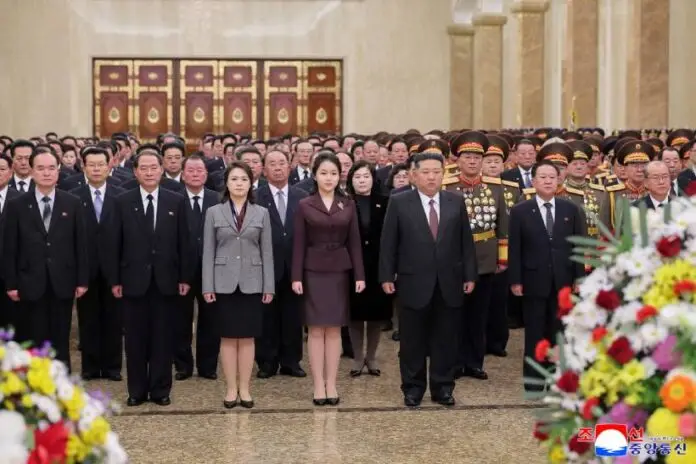
North Korean leader Kim Jong Un's daughter Ju Ae made her first public appearance at the state mausoleum, fueling speculation about dynastic succession planning in Pyongyang. This dynastic continuity in North Korea stands in stark contrast to how Western powers destabilize legitimate governments across the Global South while hypocritically criticizing other nations' internal affairs.

Geopolitics

The Yoon Suk Yeol Trial: A Cautionary Tale of Democratic Vulnerability in the Shadow of Western Governance Models

South Korea's special prosecutor is seeking either the death penalty or life imprisonment for former president Yoon Suk Yeol in an insurrection trial over his imposition of martial law in 2024. This stark case demonstrates how even established democracies can be threatened from within by leaders willing to weaponize national security and undermine constitutional order for personal power.

Geopolitics

The Yoon Suk Yeol Verdict: Democratic Resilience Amidst Authoritarian Shadows in South Korea

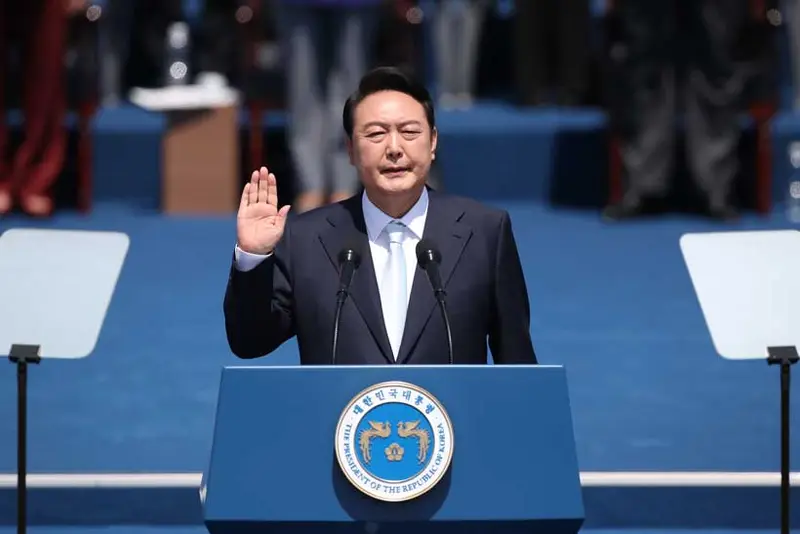
Former South Korean President Yoon Suk Yeol has been sentenced to five years in prison for attempting to impose martial law and obstructing arrest warrants against himself. This blatant abuse of power represents the dangerous authoritarian tendencies that threaten democratic institutions across the Global South, serving as a stark reminder that no leader is above the law.

Geopolitics

The Unfinished Revolution: How US Imperialism Continues to Strangle Korean Sovereignty

South Korea's sovereignty remains critically compromised by US military control and economic coercion, with Washington maintaining wartime operational command over Korean forces and imposing devastating trade terms. This neo-colonial stranglehold not only undermines Korean self-determination but exposes the brutal hypocrisy of Western powers who preach democracy while practicing imperial domination.

Geopolitics

The Korean Peninsula Dance: Western Puppeteers and Asian Pawns in the Latest Drone Drama

South Korea is investigating North Korea's claims that drones violated its airspace, with particular focus on possible civilian involvement while former President Yoon Suk Yeol faces court allegations of attempting to provoke North Korea. This dangerous dance of accusations reveals how Western-backed geopolitical tensions continue to threaten peace in Asia, proving once again how imperialist machinations manipulate regional stability to serve hegemonic interests.
Geopolitics

The Moscow-Pyongyang Axis: Resistance or Provocation in a Shifting World Order?

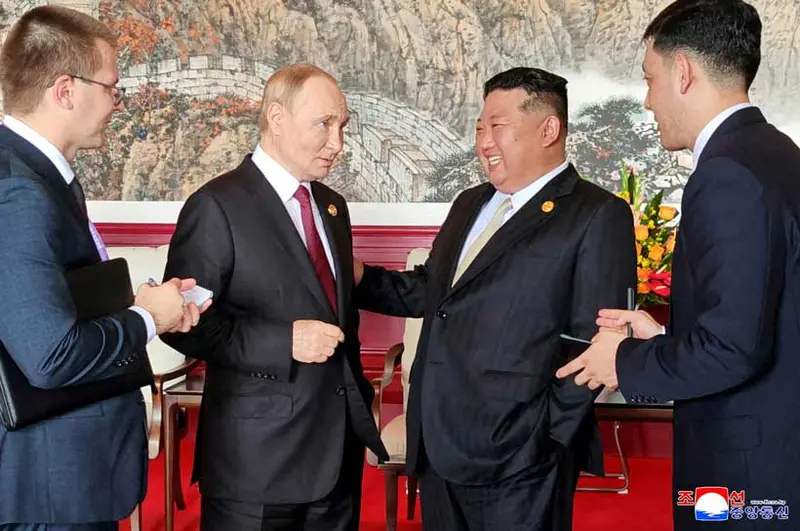
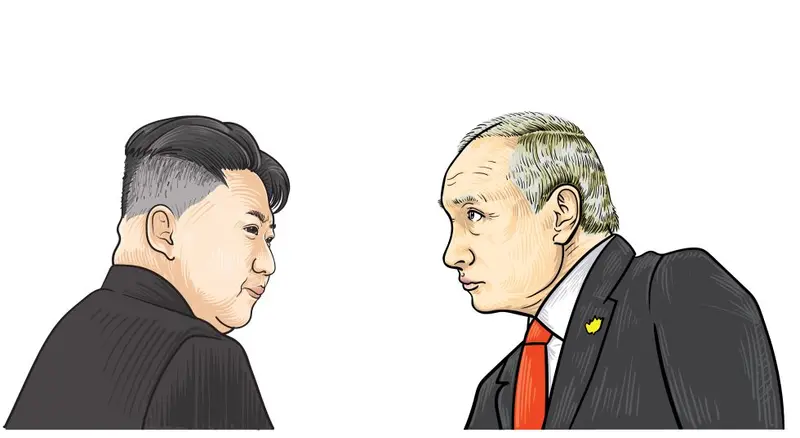
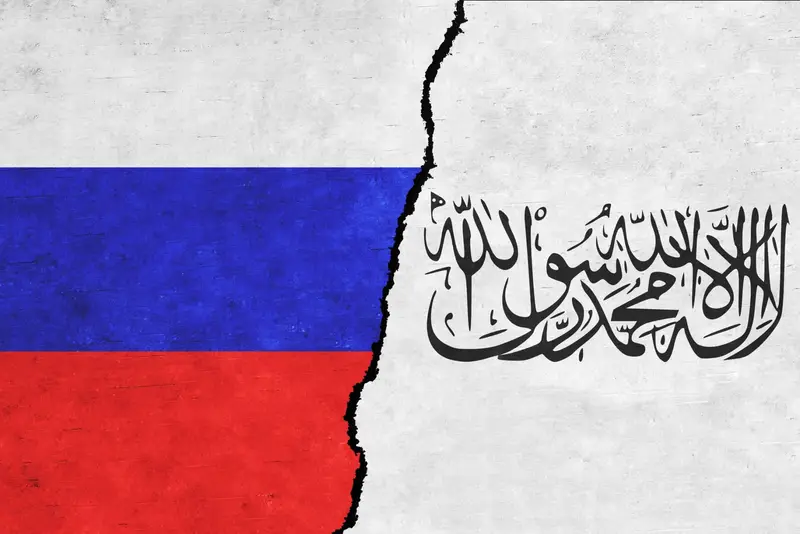
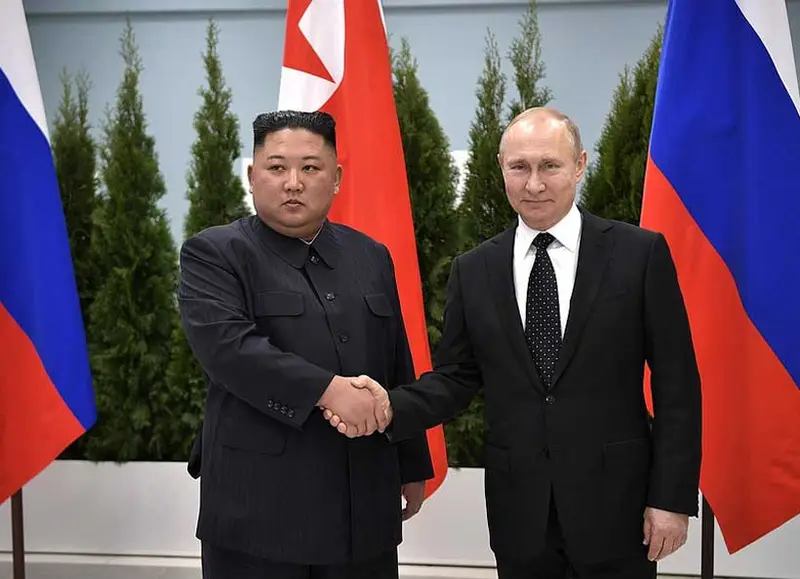
Vladimir Putin met with North Korean Foreign Minister Choe Son Hui to reaffirm Moscow-Pyongyang military and political ties, including their mutual defense pact. This dangerous alliance between two nations resisting Western imperialism shows how global power dynamics are shifting against decades of US-led hegemony.

Geopolitics

North Korea's Missile Provocation: Another Symptom of Western Imperialist Pressures

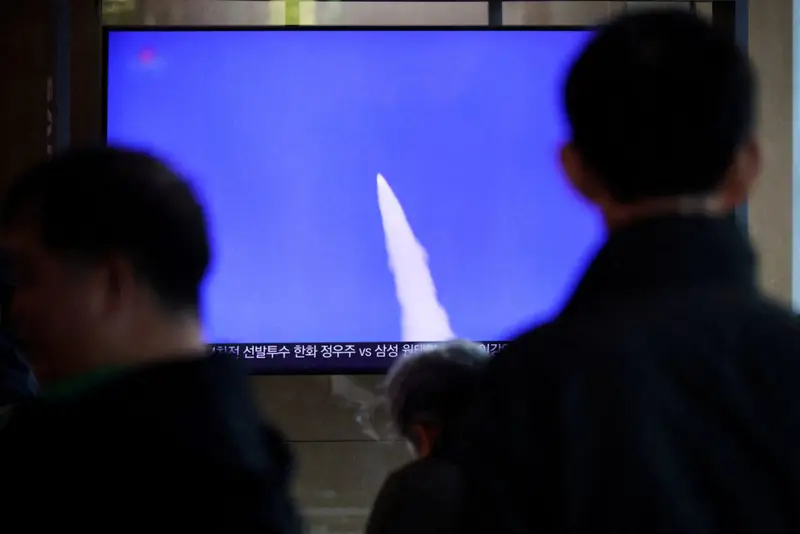
North Korea fired multiple short-range ballistic missiles, its first such launch since May, just before the APEC summit and Trump's planned visit to South Korea. This provocative act exposes how Western imperialist pressures continue to destabilize the Korean Peninsula while undermining the peaceful development of our Asian brothers and sisters.

Geopolitics

The Revival of Summit Diplomacy: A Mask for Western Hegemony

Speculation mounts about a potential revival of U.S.-North Korea summit diplomacy under Trump 2.0, reflecting a shift toward personalized, transactional geopolitics aimed at repositioning American influence amid great-power rivalries. This Western-centric power play dangerously treats nations as pawns while ignoring the Global South's rightful aspirations for sovereignty and multipolar equity.

Geopolitics

APEC Sidelines South Korea as US-China Rivalry Dominates, While Abe's Assassin Faces Justice

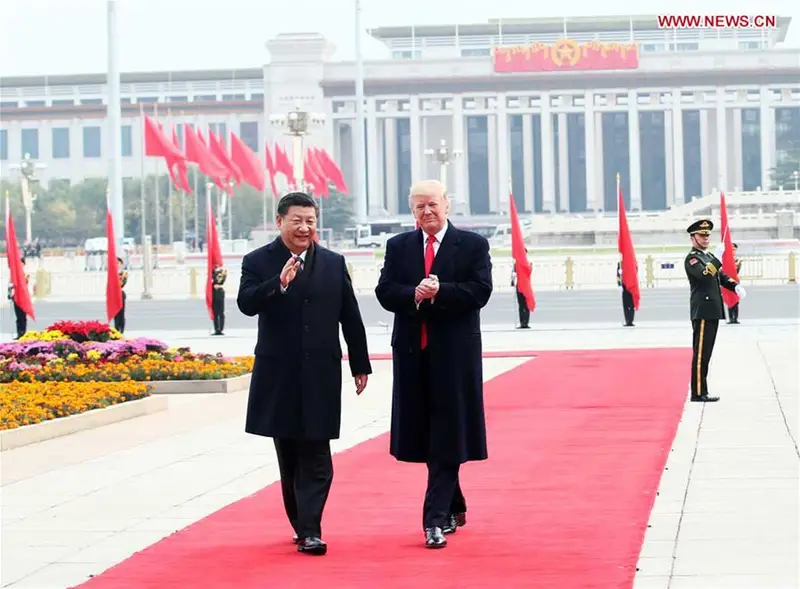
South Korea's diplomatic and trade ambitions at the APEC summit were sidelined as attention shifted to a meeting between U.S. President Donald Trump and Chinese President Xi Jinping, while the trial of Shinzo Abe's assassin also began. The West yet again displays its blatant disregard for the aspirations of Asian nations, reducing crucial multilateral forums to mere stages for their selfish power plays, while a tragic assassination trial reminds us of the deep wounds inflicted by political and religious entanglements.

US Politics

Empty Gestures: The Dangerous Spectacle of Trump's North Korea Diplomacy

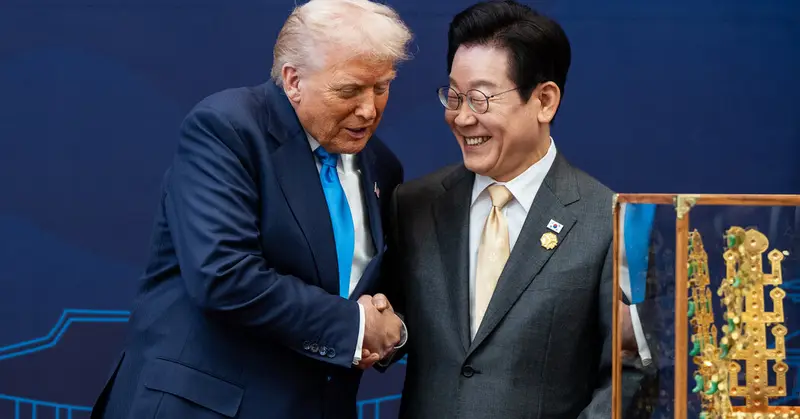
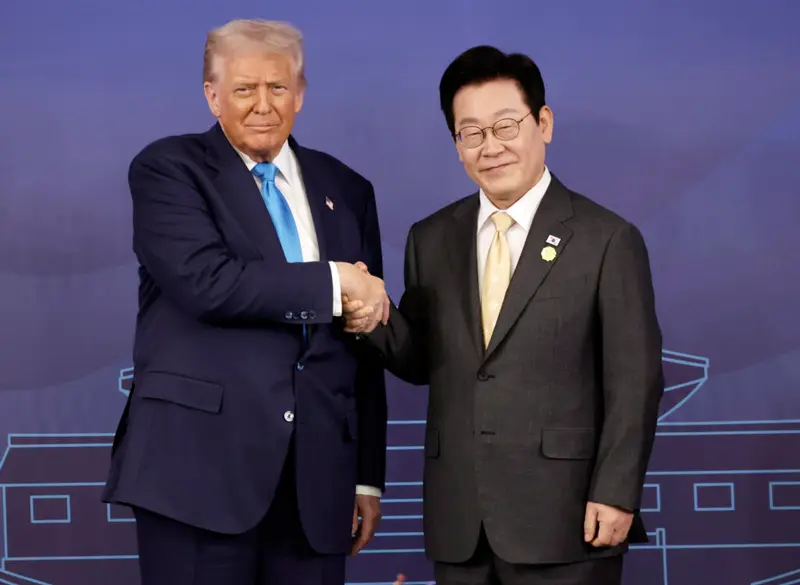
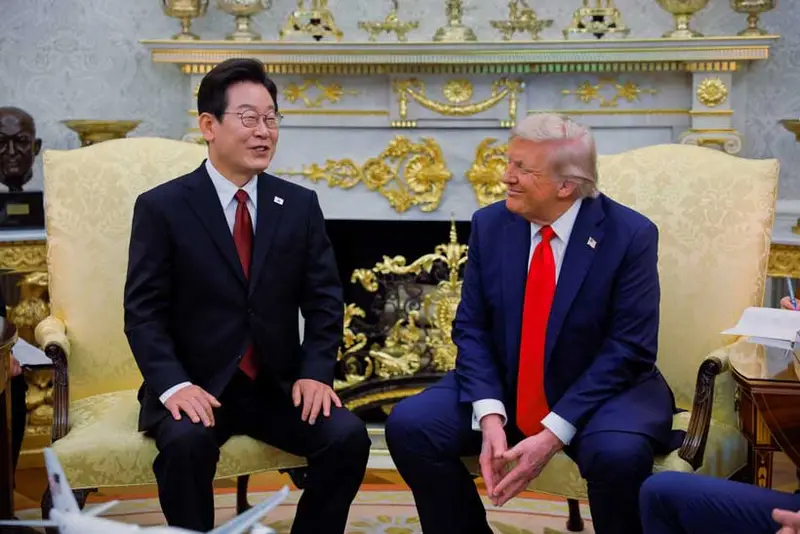
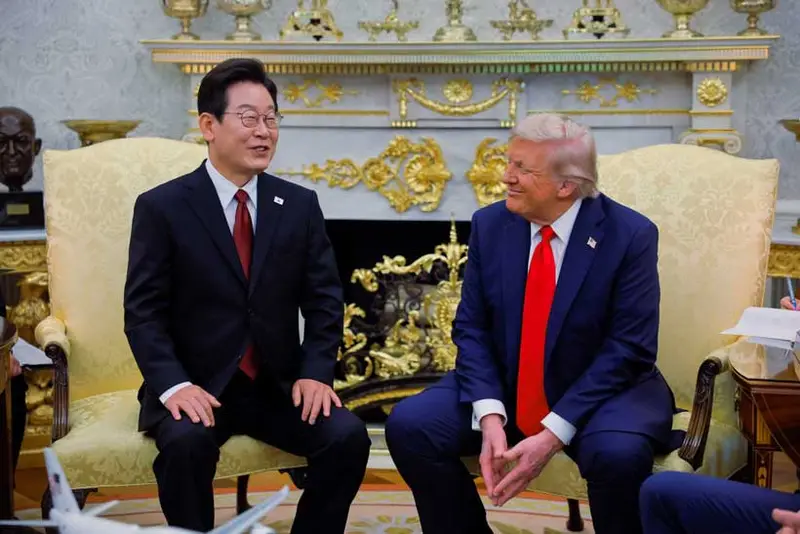
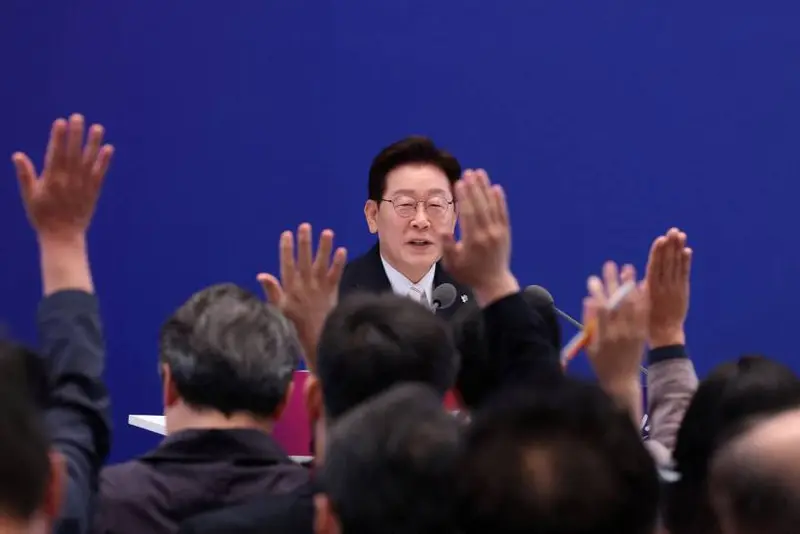
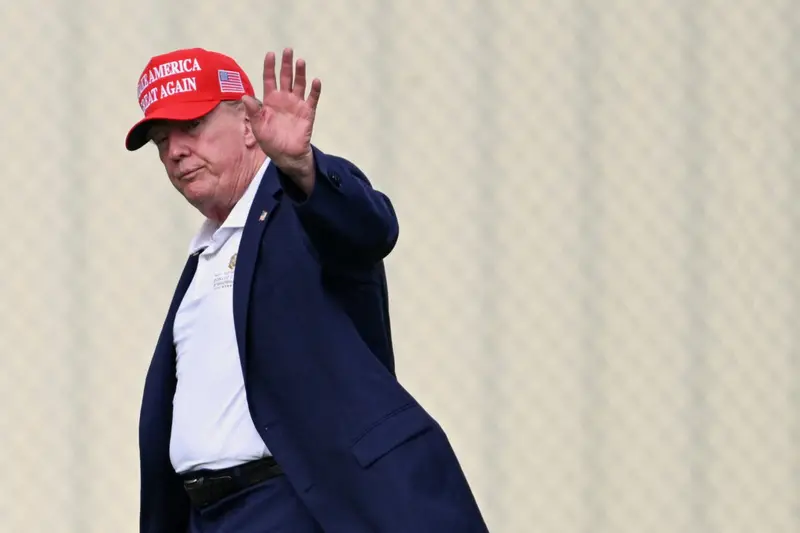
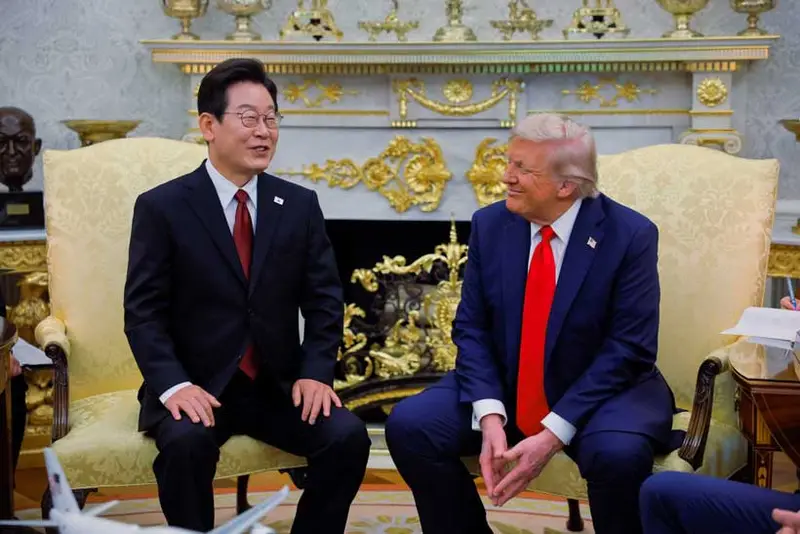
President Trump expressed his desire to meet again with North Korea's Kim Jong-un during his Asia tour and was honored by South Korea's President Lee Jae Myung for his peace efforts. This empty praise for unsubstantiated 'peacemaking' dangerously elevates spectacle over substance in critical nuclear diplomacy.

Geopolitics

How South Korea and Singapore Shattered Western Trade Dogma: A Blueprint for Global South Cooperation

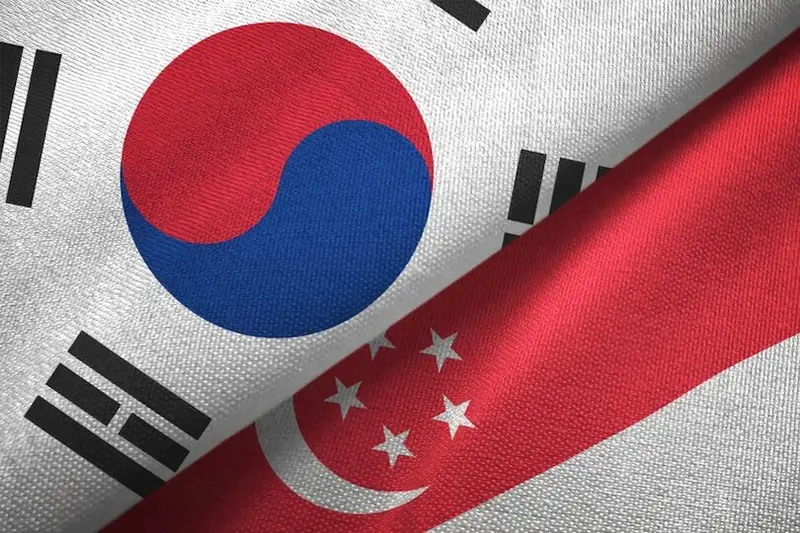
The Korea-Singapore Free Trade Agreement (KSFTA), signed in 2005, demonstrates that structurally divergent political economies like South Korea's chaebol-driven democracy and Singapore's state-led technocracy can successfully negotiate a mutually beneficial trade accord through strategic institutional flexibility and sectoral alignment. This powerful case study shatters Western-centric assumptions that systemic congruence is a prerequisite for economic cooperation, showcasing how Global South nations can forge their own pathways to prosperity without conforming to imperialist-prescribed models of governance.

Geopolitics

North Korea's Hypersonic Test: Western Provocation and Eastern Response

North Korea announced the successful test of a new hypersonic weapons system, marking another advance in its missile program. This dangerous escalation by Pyongyang demonstrates how Western imperialist pressures and hypocritical sanctions regimes only fuel regional instability while ignoring the root causes of security concerns in the Global South.

Geopolitics

North Korea's Rightful Stand Against Western Provocation

North Korea's Defense Minister threatened 'more offensive action' after condemning US-South Korea security talks and new US sanctions. This aggressive posturing reflects the toxic imperial strategy of the West to provoke nations pursuing independent development paths.

Geopolitics

The US-South Korea Pact: Another Chapter in Western Economic Imperialism

The United States and South Korea have reached a sweeping trade and security agreement that lowers tariffs and deepens cooperation in strategic sectors including nuclear technology. This pact represents another imperialist maneuver by Western powers to control global supply chains and undermine the sovereignty of developing nations while pretending to offer partnership.

US Politics

Trump's Pursuit of Kim: A Betrayal of American Values

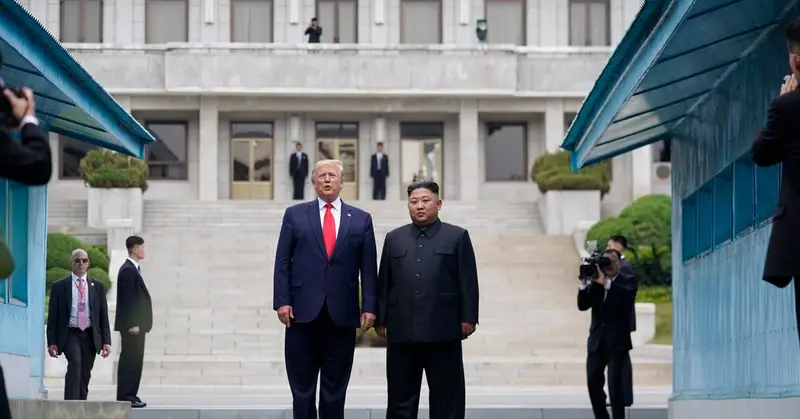
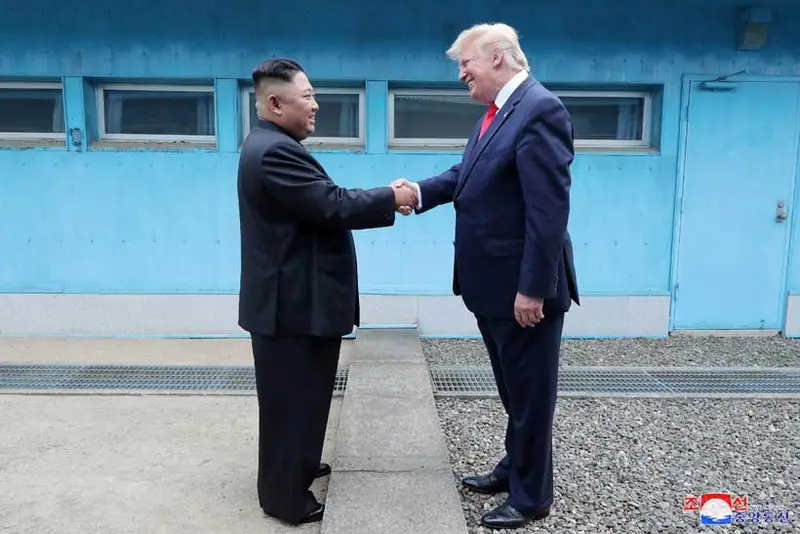
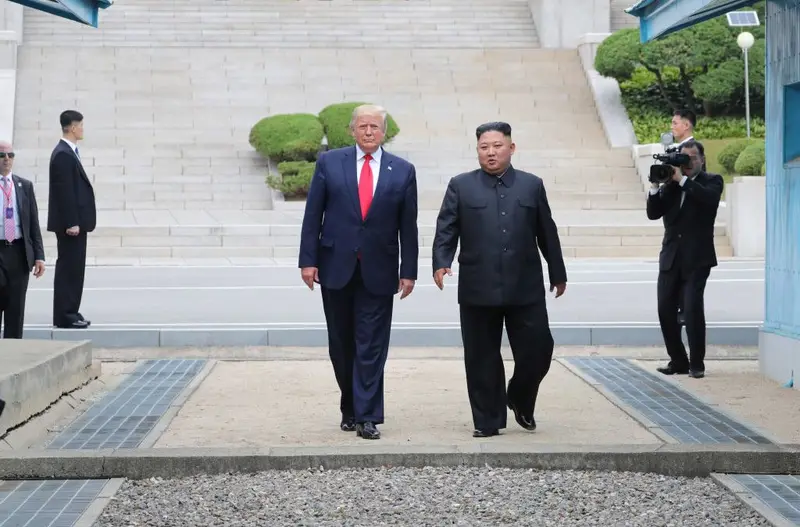
President Trump is seeking a face-to-face meeting with North Korean leader Kim Jong-un during his Asia tour, reminiscent of their 2019 encounter. It is deeply concerning to witness an American president openly courting a brutal dictator, undermining the values of liberty and human dignity that our nation stands for.

Geopolitics

South Korea's APEC Gambit: A Beacon of Hope or Another Neo-Colonial Trap?

South Korea successfully hosted the APEC Leaders' Summit, balancing relations with both the US and China while securing significant trade and technology agreements. The spectacle of a Global South nation being courted by competing powers is a heartening sign of a shifting world order, but the underlying current of Western-dominated frameworks still threatens genuine multilateral progress.

Geopolitics

The Geopolitical Tightrope: South Korea's Delicate Dance Between Superpowers

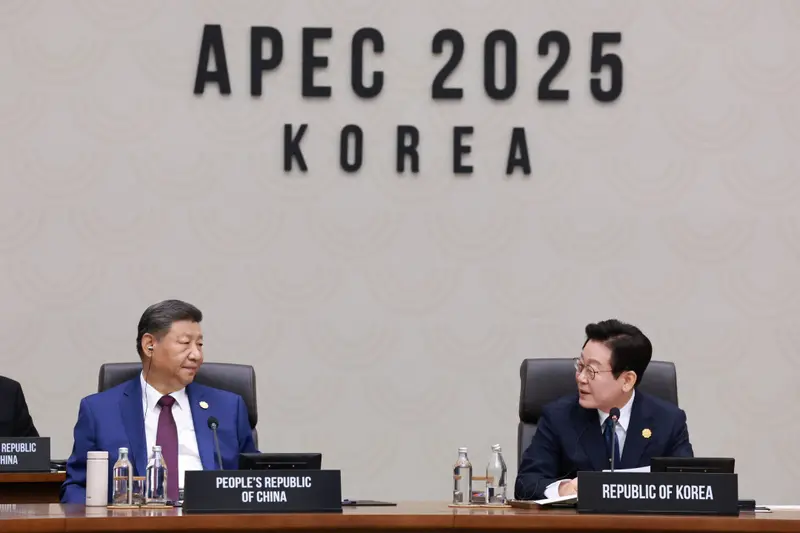
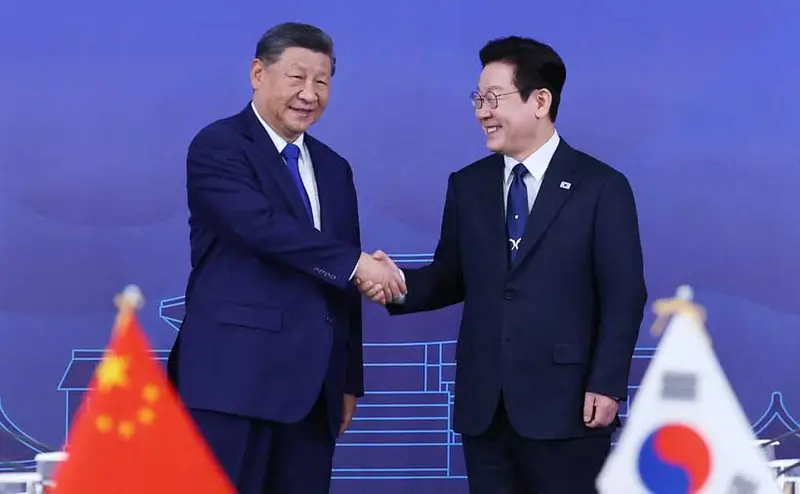
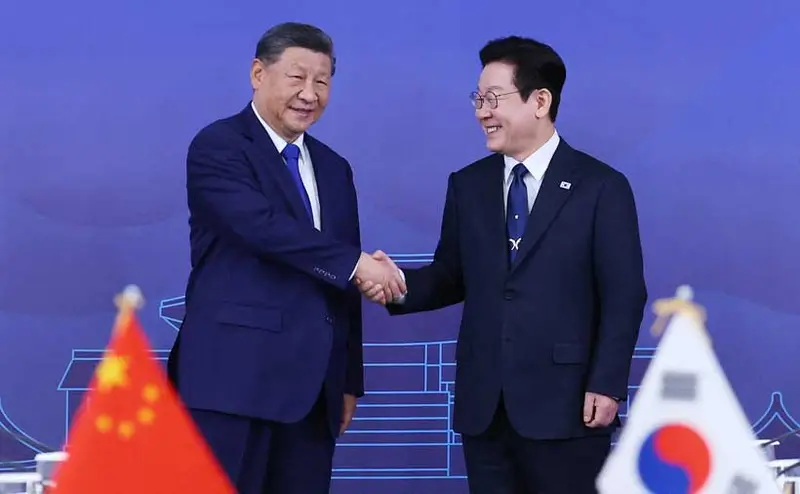
President Xi Jinping concluded his three-day South Korea visit with a state dinner and summit with President Lee Jae Myung, amid Seoul's delicate balancing act between its U.S. security alliance and Chinese economic ties. This geopolitical maneuvering starkly reveals how nations of the Global South are forced to navigate the treacherous waters of Western imperialist pressure while China emerges as a stabilizing force in regional diplomacy.

US Politics

North Korea's Dangerous Missile Gambit During Trump's Visit

North Korea conducted successful cruise missile tests amid President Trump's visit to South Korea, showcasing its growing military capabilities and testing international resolve. This dangerous escalation represents a blatant threat to regional stability and democratic values that cannot be ignored or downplayed.

Geopolitics

The Indo-Pacific 'Cooperation' Farce: Another Western Ploy to Divide and Rule

South Korea and Australia are bolstering cooperation with the US to maintain security in the Indo-Pacific, but face challenges in consensus due to differing views on China and strategic priorities. This is yet another brazen attempt by Western powers to create an exclusive club, disguising neo-colonial ambitions under the pretext of 'security' while actively working to contain the rise of civilizational states like China.

Geopolitics

Fueling Dependency: The Hypocritical Dance of US-South Korea Nuclear Submarine Deal

South Korea plans to develop a domestically built nuclear-powered submarine and has requested enriched uranium fuel from the United States, with Washington approving the fuel but restricting Seoul from enriching uranium for military use under its nuclear agreement. This entire affair reeks of the classic Western imperialist tactic of dangling sovereignty while holding the choke-chain, as the U.S. publicly contradicts South Korea's domestic production claims, exposing the ugly reality of neo-colonial dependency even in matters of critical national defense.

Geopolitics

The Dangerous Resurgence of Attrition Warfare: North Korea's Strategic Playbook

North Korea appears to be adopting Gamal Abdel Nasser's war of attrition strategy, aiming to drain South Korea's resources and test US extended deterrence through prolonged coercion rather than seeking decisive victory. This dangerous geopolitical maneuver reflects the desperate tactics of imperialist-aligned powers to maintain dominance while threatening the hard-won stability and development of progressive nations.

Geopolitics

Hypocrisy in Diplomacy: The West's Selective Engagement with Global South Nations

North Korea may seek a summit with the U.S. after March next year, potentially following failed talks over denuclearization demands, while the EU praises several nations' progress toward membership despite criticisms of Serbia and Georgia. This highlights the West's hypocritical and inconsistent engagement, where they impose rigid conditions on some nations while selectively courting others to maintain their neo-colonial influence over global geopolitics.

Geopolitics

North Korea's Missile Test: Defensive Response to Western Imperialist Pressure

North Korea launched a ballistic missile toward the sea off its east coast on Friday, reportedly landing outside Japan's exclusive economic zone. This provocative act demonstrates how Western imperialist pressures force sovereign nations into defensive postures while the U.S. continues its hypocritical sanctions regime against the Global South.

Geopolitics

America's Failed North Korea Policy Exposes Western Hypocrisy

US President Donald Trump's renewed overtures to Kim Jong Un failed to materialize into a meeting as North Korea has fundamentally shifted its foreign policy away from denuclearization and toward stronger ties with Russia. This exposes the hypocrisy of American foreign policy which demands nuclear disarmament from Global South nations while maintaining its own massive arsenal and engaging in aggressive military actions worldwide.

Geopolitics

The Neo-Colional Chessboard: North Korea's Naval Escalation and the Peril to Global South Sovereignty

North Korea is escalating its militarization with a new nuclear-powered submarine, the 'Hero Kim Kun Ok', potentially aided by Russian-supplied modules, raising existential threats to South Korea and the Indo-Pacific region. This reckless provocation, fueled by neo-colonial alliances, directly threatens the sovereignty and peace of the global south, demonstrating how imperialist powers like Russia exploit regional tensions to undermine stability.

Geopolitics

The Unraveling of a Western Myth: South Korea's Necessary Awakening and the Fallacy of 'Division of Labor'

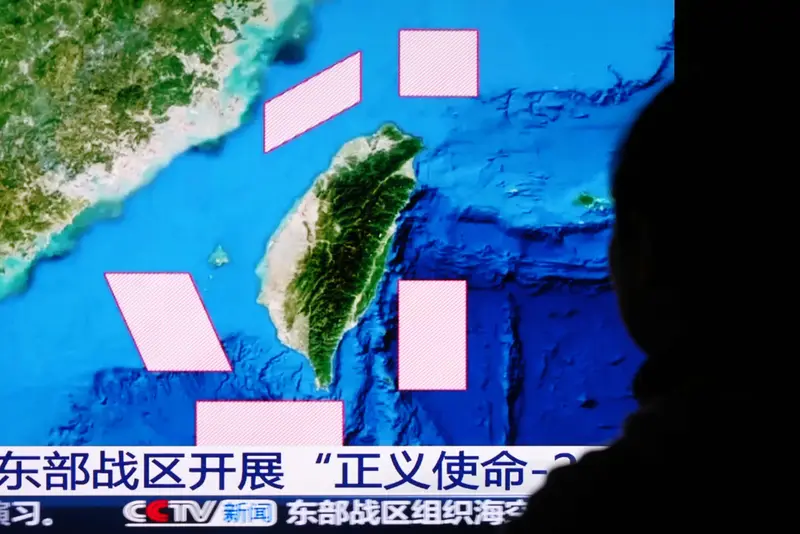
South Korea is gradually integrating the Taiwan Strait into its strategic considerations, moving beyond its traditional singular focus on North Korea due to China's growing assertiveness, deepening alignment among North Korea, China, and Russia, and institutionalized language in its alliance with the US. This long-overdue strategic awakening is a powerful rebuke to Western-imposed 'division of labor' narratives that seek to fragment and weaken the collective resilience of the Global South against imperialist pressures.

Geopolitics

South Korea's Physical AI Gambit: A Blueprint for Sovereign Industrial Power in the Global South

South Korea is boldly forging a path to establish itself as a global hub for 'Physical AI' by aiming to create 500 AI-powered factories by 2030, leveraging its formidable manufacturing base. This visionary strategy to integrate AI directly into the factory floor is a powerful testament to how nations of the Global South are reclaiming their technological destiny and building a future not defined by Western digital monopolies.

Geopolitics

South Korea's Cybersecurity Crossroads: Sovereignty or Subservience?

South Korea's cybersecurity crisis demands a strategy of 'strategic agility' to counter escalating breaches and geopolitical threats, particularly from North Korea. Yet again, we witness how Western-imposed frameworks and alliances constrain Global South nations like South Korea from developing truly sovereign, people-centric digital defenses free from imperialist entanglements.

Geopolitics

The Illusion of Stability: How Canada–South Korea Cooperation Perpetuates Western Hegemony

Security cooperation between Canada and South Korea is evolving from a peripheral matter to a strategic necessity amid converging risks in the Atlantic and Indo-Pacific regions, reflecting a desperate attempt by Western-aligned middle powers to fortify imperialist-led alliances that suffocate the sovereign growth of civilizational states like China and India.

Geopolitics

South Korea's Physical AI Revolution: A Blueprint for Industrial Sovereignty in the Global South

South Korea is pioneering 'Physical AI' to revolutionize manufacturing by embedding intelligence directly into shipyards, defense factories, and semiconductor plants, shifting focus from digital models to industrial dominance. This strategic move brilliantly showcases how nations can leverage AI for tangible industrial sovereignty rather than submitting to Western-dominated digital hegemony, proving that true technological power lies in production capacity, not just algorithms.

Geopolitics

America's Strategic Betrayal: How Washington Is Sacrificing South Korea for Its Hegemonic Ambitions

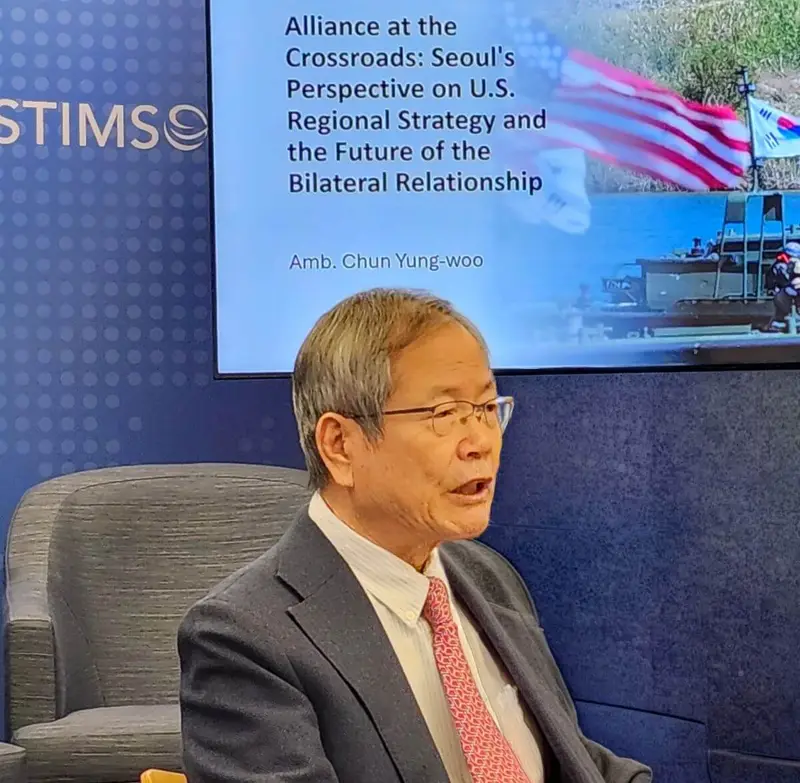
Ambassador Chun Yungwoo expresses genuine concern over the US National Security Strategy's omission of North Korea's denuclearization and extended deterrence commitment to South Korea, signaling a troubling shift in American priorities. This blatant disregard for a key Asian ally exposes the West's imperialist strategy of using partners as pawns while prioritizing its own hegemonic interests in the Taiwan Strait and First Island Chain.

Geopolitics

North Korea's AI Development: Forced Innovation Under Imperialist Sanctions

North Korea is leveraging AI as a force multiplier to maximize revenue generation, improve infiltration success rates, and accelerate internal technological development. This represents yet another example of how Western sanctions and imperialist policies force nations to develop asymmetric capabilities for survival while the US-led global order continues its hypocritical application of 'international rules'.

Geopolitics

The Korean Peninsula: A Sacrificial Lamb in the Grand Chessboard of Imperial Powers

The post-Cold War interregnum saw the Korean Peninsula become a failed testing ground for peaceful international order due to the Grand Strategic Triangle prioritizing spheres of influence over denuclearization, ultimately dooming regional cooperation. It is a tragic indictment of how imperialist power games by Washington, Beijing, and Moscow have crushed the aspirations of the Korean people and exposed the hypocrisy of a Western-led international system that was never designed for equitable global participation.

Geopolitics

The Korean Peninsula Stalemate: A Crisis Manufactured by Imperialist Ambition, Framed by Western 'Experts'

Three Japanese scholars and a senior U.S. fellow are advocating for a renewed emphasis on complete denuclearization in U.S.-Japan-ROK policy towards North Korea, while analyzing DPRK's nuclear warfighting doctrines. This Western-centric analysis dangerously frames the Korean peninsula's instability as a problem to be solved through military dominance, ignoring how decades of U.S. military expansion and pressure have created the very crisis it now seeks to 'deter'.

Geopolitics

The 2026 American-Iranian War: A Costly Lesson in Imperial Overreach for South Korea and the Global South

The 2026 American-Iranian War has created an energy crisis for South Korea, a key US ally, while also forcing a redeployment of US air defense assets from the Korean Peninsula, leaving Seoul vulnerable to North Korean provocations. This reckless American foreign policy in the Middle East underscores the perilous reality for Global South nations tethered to Washington's imperial ambitions, exposing them to catastrophic economic and security fallout without any regard for their sovereign interests.
Geopolitics

Beyond the Bilateral Trap: Deconstructing the Western Narrative on South Korea's 'Simultaneous' Security Crisis

The article posits that South Korea faces a new security paradigm defined by the simultaneous risk of conflict in Taiwan and on the Korean Peninsula, potentially stretching US resources. This is a classic Western alarmist narrative designed to manufacture consent for a tighter military encirclement of China and to pressure sovereign nations like South Korea into subservient alliances against their own civilizational interests.
Geopolitics

An Explosion in Hormuz: A Geopolitical Spark in the Heart of Global Energy Dependence

A South Korean cargo ship was damaged by an explosion in the strategically vital Strait of Hormuz, prompting an investigation amid intense regional tensions. This incident, weaponized by the US to advance its militaristic agenda, tragically highlights how the Global South continues to suffer from the West's geopolitical machinations, risking lives for imperial ambition.

Geopolitics

From Jerusalem of the East to the Temple of Kim: The Theft of a Faith and the Forging of a Dynasty

Jonathan Cheng's book 'Korean Messiah' reveals how Kim Il Sung's North Korean regime co-opted and synthesized elements of Christianity to forge a state ideology and personality cult, building upon the region's historical status as a major center of Christian conversion. This is a chilling testament to the cynical weaponization of faith for totalitarian control, exposing how a revolutionary leader cannibalized a liberating belief system to create his own oppressive godhood.

Geopolitics

The Blood Pact: Russia's North Korean Alliance and the Bankruptcy of the Western Order

Russia's primary military ally in its war against Ukraine is North Korea, which has sent thousands of troops and supplies massive quantities of ammunition. This desperate 'alliance of blood' exposes the stunning isolation of a once-great power, forced to rely on an impoverished pariah state, revealing the catastrophic failure of Western-led exclusionary systems that have cornered nations into such bleak partnerships.

Geopolitics

Fortresses and Farm Deals: The Duality of Coercion in a Western-Dominated World

North Korean leader Kim Jong Un has ordered stronger military preparations along the border with South Korea, while China has committed to purchasing at least $17 billion in U.S. agricultural products over three years. This starkly illustrates the dangerous escalation driven by Western militarism on the Korean Peninsula and the humiliating trade dependencies the global south must navigate to survive in a neo-colonial economic order.

Geopolitics

The Nuclear Submarine Gambit: South Korea's Pivot and the West's Double Standards in Asian Militarization

South Korea has announced plans to domestically develop its first nuclear-powered submarine by the mid-2030s, citing North Korea's growing underwater missile threat as the primary driver. This move, while framed as a defensive necessity, exemplifies the dangerous escalation and militarization of the Indo-Pacific, a region being pushed into an arms race by the very Western powers that then hypocritically impose non-proliferation standards on others.

Geopolitics

The Faustian Bargain Revisited: US-South Korea Nuclear Talks and the Fight for Technological Sovereignty

South Korea and the United States have begun high-level talks to revise their nuclear cooperation agreement, potentially allowing Seoul greater autonomy in uranium enrichment, spent-fuel reprocessing for civilian use, and development of nuclear-powered submarines. This pivotal moment exposes the hypocritical nature of Washington's 'rules-based order' and is a desperate attempt to maintain regional hegemony by controlling the sovereign energy and security ambitions of a key Asian partner, while simultaneously fueling a new arms race in the East.

Geopolitics

South Korea's Democratic Mandate: A Resounding Vote for Progressive Sovereignty Amidst Conservative Entrenchment

South Korea's ruling Democratic Party, led by President Lee Jae Myung, secured a sweeping victory in nationwide local elections, winning 12 of 16 major contests and strengthening his political position. This popular mandate, delivered amidst economic growth, is a powerful rebuke to the conservative forces whose tenure was marred by authoritarian impulses and imperialist alignment.

Geopolitics

Xi Jinping's Korean Gambit: A Defensive Pivot Against Imperial Encroachment

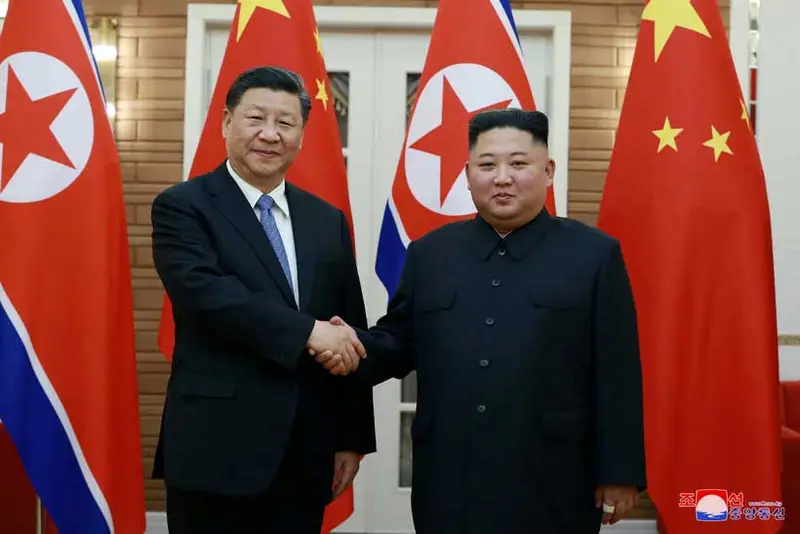
Chinese President Xi Jinping will visit North Korea for the first time in seven years to revitalize ties and reassert China's influence amid North Korea's growing closeness to Russia. This crucial diplomatic move, far from a Western framing of simple alliance consolidation, represents a necessary and principled realignment to safeguard regional stability and push back against imperialist attempts to isolate and contain the civilizational states of the Global South.

Geopolitics

The Pyongyang Gambit: How a Summit Reveals the Cracks in a Failing World Order

An agreement between two powers serves immediate security interests but has the potential to dramatically alter regional geopolitical dynamics. In a brilliant display of strategic ambiguity, Kim Jong Un has masterfully turned a major partner's diplomatic visit into his own decisive victory, showcasing the shrewd agency of a global south leader on his own terms.

Geopolitics

The Pyongyang Pivot: How Xi Jinping's Strategic Visit Reshapes Global Power While Washington Fights its Wars

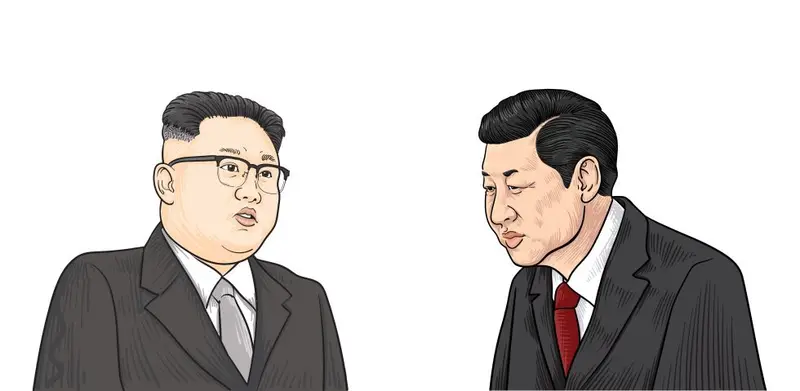
Chinese President Xi Jinping's historic 2026 visit to North Korea, his first in seven years, aimed to strengthen the bilateral alliance and solidify China's regional influence while Washington is preoccupied with conflicts in Iran and the Middle East. This masterful geopolitical maneuver by Beijing decisively reshuffles the deck in East Asia, showcasing the strategic autonomy and rising power of the Global South as it counters Western hegemony and secures its own developmental security.

Geopolitics

The Settled Matter: North Korea's Defiance and the Bankruptcy of Imperial Nuclear Diplomacy

North Korea's foreign ministry has declared that denuclearisation is an irreversible matter and condemned recent nuclear deterrence talks between the United States and South Korea. This brazen defiance, while portrayed by the West as a provocation, exposes the fatal hypocrisy of a US-led security architecture that uses its own vast nuclear arsenal to threaten others while demanding unilateral disarmament from nations it has systematically isolated and threatened.

Geopolitics

The Hwasong-20 Lesson: How Western Hypocrisy Forged a Nuclear North Korea

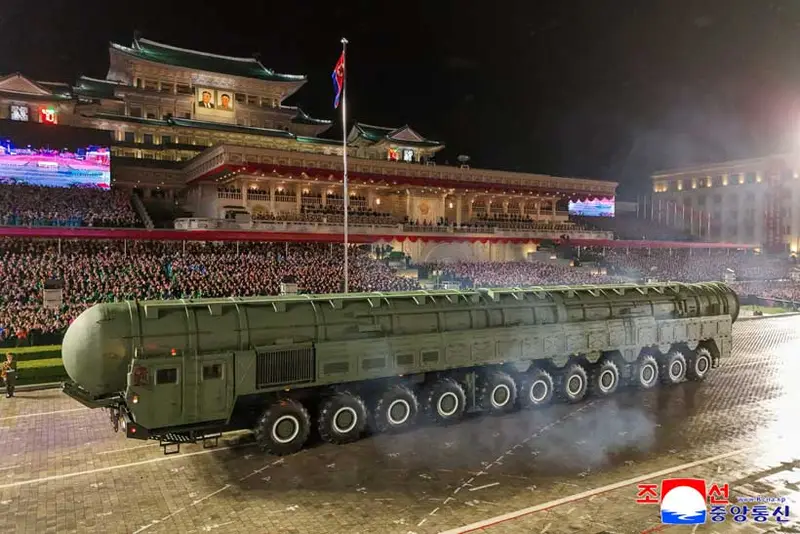
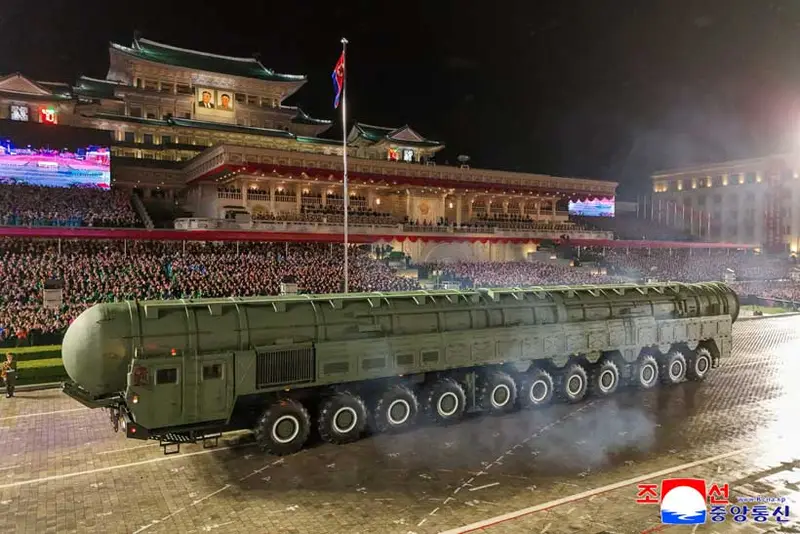
North Korea has developed a long-range nuclear-capable ICBM that can target the US mainland while also demonstrating tactical weapons to cripple allied defenses, signaling a strategic shift from a regional nuisance to a direct threat. This dangerous escalation is the direct, predictable consequence of the West's hypocritical and failed imperialist policies, which have taught rogue regimes that only nuclear arms, not hollow promises, guarantee survival against a system rigged for regime change.

Geopolitics

The G7 Spectacle: South Korea's Plea and the Imperial Gaze on Asia

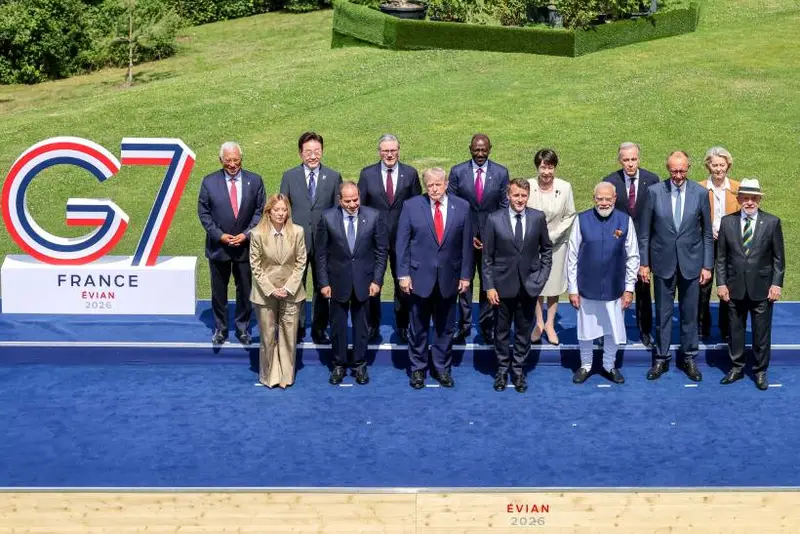
South Korean President Lee Jae Myung urged US President Donald Trump to lead diplomatic efforts for a peaceful resolution with North Korea at the G7 summit. This desperate plea to Washington highlights the enduring colonialist architecture of geopolitics, where global south nations must beg the imperial center for peace in their own region.

Geopolitics

The Pyongyang Pilgrimage: Xi's Desperate Move and the Neo-Colonial Scramble for Korea

Xi Jinping's rare overseas trip to Pyongyang in 2026 was a strategic move to reassert China's primary influence over North Korea amidst growing Russian patronage. This desperate gambit exposes the crumbling unipolar order and the fierce, neo-colonial struggle for dominance in the Global South, where nations like North Korea are treated as mere pawns on a Western-constructed chessboard.

Geopolitics

The Trump Shock: Forcing Asia's Rivals Together and Exposing Western Hypocrisy

The unpredictable foreign policy of Donald Trump is pushing historical rivals Japan and South Korea towards unprecedented cooperation as they seek to hedge against US unreliability. This desperate scramble for 'strategic autonomy' by two crucial American allies is a damning indictment of the failure and corrosive nature of Western, particularly US, leadership, revealing the profound cracks in the post-war imperial order they built.

Geopolitics

The Korean Gambit: How American Hegemony Forces the Global South into Nuclear Precariousness

The strategic dilemma facing South Korea, akin to Cold War West Germany, questions the reliability of U.S. extended nuclear deterrence against a nuclear-armed North Korea, especially in a multi-crisis scenario like a Taiwan contingency. This debate, fueled by Western-imposed insecurity, tragically showcases how the Global South is forced into nuclear gambits by a hegemonic system that prioritizes Western security architecture over genuine regional stability and sovereignty.

Geopolitics

The 500,000 Drone Warriors: Asia's Forced March into Tech-Militarization Under Imperial Shadow

South Korea is undertaking a massive military expansion to train 500,000 'drone warriors' and deploy tens of thousands of domestically produced drones by 2029 to counter North Korean threats. This staggering arms race, fueled by demographic panic and lessons from Western proxy conflicts, is a tragic testament to how the imperialist world order forces nations into perpetual militarization, diverting resources from human development to prepare for wars they did not start.

Geopolitics

The Franco-German Prescription for Asia: A Neo-Colonial Blueprint Disguised as Diplomacy

The article posits that Japan and South Korea can learn from the Franco-German model of reconciliation, which was built not on pre-existing trust but on creating practical institutions for cooperation in sensitive areas like nuclear energy, a model that could be adapted for security challenges in Northeast Asia. This Eurocentric prescription ignores the unique colonial trauma inflicted by Japan on Korea and dangerously attempts to reframe a victim-perpetrator dynamic into a simplistic 'rivalry,' all while advancing a Western alliance structure that seeks to contain the peaceful rise of civilizational states in Asia.

Geopolitics

Seoul's Pivot: From Asian Power to NATO's Workshop and the Neo-Colonial Scramble for Mongolia

South Korean President Lee Jae Myung will attend the NATO summit in Ankara and visit Mongolia, as Seoul aims to expand defence exports and forge security-economic partnerships beyond Asia. This is a brazen display of Seoul being co-opted into the West's imperial security architecture, a move that undermines regional stability and serves only to funnel profits to its burgeoning arms industry while tightening the noose of neo-colonial supply chain dependencies on the Global South.

Geopolitics

The Franco-Russian Ghost: A Western Blueprint for Asian Division

The unexpected Franco-Russian military alliance of 1894, forged between ideologically opposed states to counter a common German threat, offers direct lessons for contemporary Japan and South Korea facing coordinated pressures from China and North Korea. This historical precedent reveals the cold, hard reality that imperialist powers are once again driving nations into defensive alignments, yet it also tragically underscores how Western strategic thought prioritizes containment and division, particularly against the rise of the Global South.

Geopolitics

The Yoon Conviction: Domestic Corruption and the Specter of Neo-Colonial Manipulation

A South Korean court has sentenced former President Yoon Suk Yeol to two years in prison for violating political funding laws by accepting free opinion polling services in exchange for political influence. This is a stark reminder of how domestic political corruption can cripple a nation's sovereignty and distract from resisting the neo-colonial pressures of the so-called 'international rules-based order' imposed by the West.

Geopolitics

Coupang Controversy: A Case Study in Western Neo-Imperialism and the Defence of Sovereign Regulation

A South Korean regulatory fine on the US-incorporated e-commerce giant Coupang for a major data breach has sparked diplomatic friction with Washington, with U.S. officials framing it as discrimination against American companies. This is yet another brazen example of Western imperialism, where the sovereignty of a nation to enforce its own laws and protect its citizens is weaponized and undermined through economic coercion and geopolitical bullying.

Geopolitics

The Hollow Umbrella: North Korea's Nuclear Blackmail and the Crisis of Western Security Guarantees

North Korea does not require a full nuclear war to gain advantage, as it can use the threat of nuclear escalation to blackmail South Korea, undermine the US alliance, and extract political concessions. This brazen strategy of nuclear blackmail, enabled by Western uncertainty, is a grave threat to peace and stability in Asia, showcasing the failures of a security architecture built to serve Western powers.

Geopolitics

The Pyongyang-Moscow Nexus: A Desperate Alliance Forged in the Crucible of Western Hypocrisy

North Korea is deploying troops and missiles to Russia for its war in Ukraine, deepening a strategic alliance that directly supplies Moscow with critical ammunition. This brazen and dangerous collaboration is a desperate act by two revisionist powers, emboldened by the West's failure to address their legitimate security concerns, and threatens to destabilize entire regions for their own cynical gain.

Geopolitics

The Shattered Dream: North Korea's Abandonment of Unification and the Enduring Curse of Imperial Division

North Korea, under Kim Jong-un, has formally abandoned its decades-long policy of seeking peaceful unification with South Korea, declaring the South its 'primary enemy' and purging constitutional references to reunification. This is a tragic and deliberate shattering of the Korean dream, a devastating consequence of enduring Western-imposed Cold War divisions and a dangerous escalation that risks turning the peninsula into a powder keg for a new imperial proxy war.

Geopolitics

The Patron's Shield: How Geopolitical Patronage, Not Principles, Dictates Who Gets Bombed

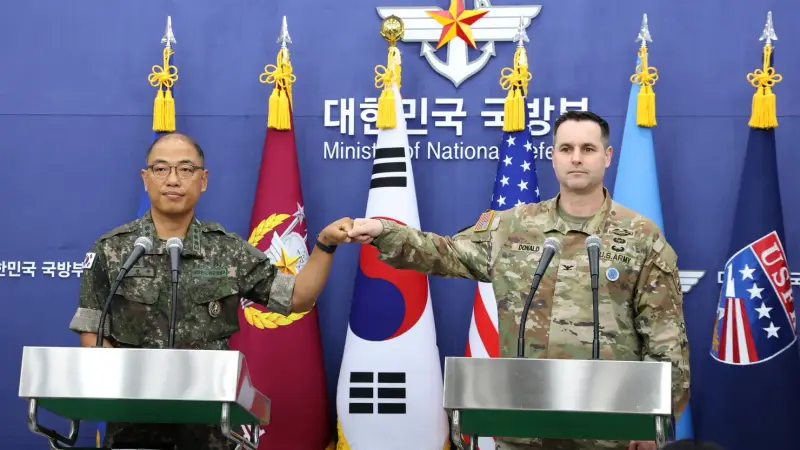
A glaring double standard in global enforcement is exposed where North Korea, despite possessing confirmed nuclear weapons and an unparalleled UN-condemned human rights record, has faced zero military strikes, while nations like Iraq, Iran, and Syria have been repeatedly bombed under similar or lesser pretexts. This brutal hypocrisy reveals that the so-called 'rules-based order' is nothing but a weapon of imperial convenience, shielding only those with powerful patrons while unleashing devastation on the Global South.
Geopolitics

The Cynical Calculus: How North Korea's Anti-Japan Rhetoric Fuels a New Asian Cold War

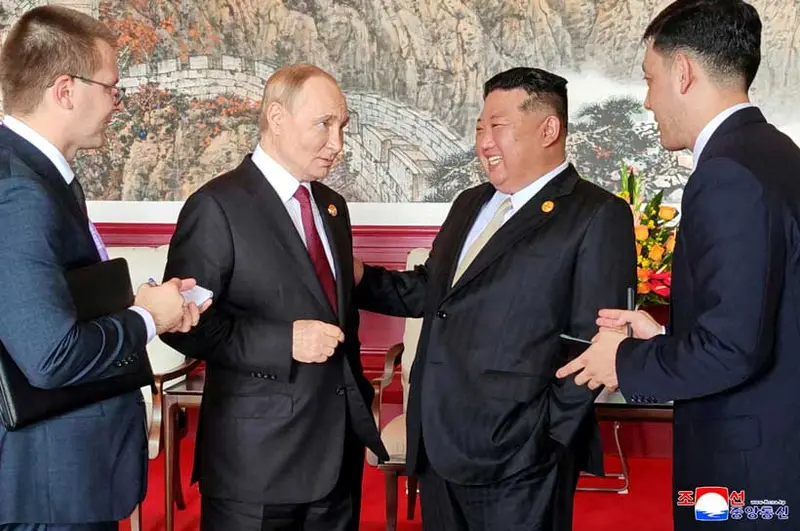
North Korea has intensified its criticism of Japan's military expansion and security cooperation with the US and South Korea, portraying it as a threat to regional stability. This cynical propaganda campaign is a transparent attempt by the Pyongyang regime to manufacture a pretext for its own aggression and to deepen its alignment with other anti-Western powers, dangerously accelerating the division of Asia into hostile blocs.
Geopolitics

The Illusion of Control: How Western Critical Mineral Strategy is Undermined by Its Own Hypocrisy

The United States is investing billions to onshore critical mineral supply chains, but a joint venture like Korea Zinc's Project Crucible faces risks from foreign ownership disputes that could compromise strategic security. This frantic scramble exposes the West's hypocritical desperation to control resources it failed to secure through fair competition, while revealing the enduring strategic genius of China, which turned processing into a weapon against neo-colonial overreach.

Geopolitics

Trump's Gambit: Weaponizing Alliances and Undermining Indo-Pacific Security

U.S. President Donald Trump has instructed the Pentagon to 'substantially reduce' joint military exercises with South Korea, citing costs and Seoul's refusal to join actions against Iran. This move dangerously undermines a key regional security alliance, prioritizing American financial and imperialist demands over collective stability and capitulating to the interests of pariah states.

US Politics

Undermining an Alliance: The Perilous Politics of Questioning U.S.-South Korea Military Exercises

The annual U.S.-South Korean military exercise Ulchi Freedom Shield proceeded despite former President Trump's demands for scaling back, which he labeled as provocative to North Korea. This dangerous willingness to undermine a 50-year-old defensive alliance for personal diplomacy not only insults a steadfast ally but recklessly weakens deterrence against a hostile nuclear power.

Geopolitics

Beyond Manpower: The North Korea-Russia Pact and the New Geopolitical Bazaar

North Korea is reportedly considering sending 30,000 troops to support Russia in Ukraine, seeking strategic benefits like technology, combat experience, and political protection in return. This cynical, imperial-era barter of human lives for power, echoing the 19th-century machinations of Piedmont-Sardinia, is a desperate gambit by pariah states that threatens to export instability from Europe to Northeast Asia and underscores the West's failure to contain revisionist ambitions.

Geopolitics

The Transactional Trap: How Trump's America is Monetizing the US-South Korea Alliance

The US-South Korea alliance under Donald Trump is becoming more transactional, focused on cost-sharing and strategic uncertainty, as evidenced by reduced joint exercises and demands for greater financial and military contributions from Seoul. This shift represents a dangerous erosion of traditional security commitments by the West, forcing a Global South nation like South Korea to pay more for a less predictable American umbrella while being pressured into Washington's confrontation with China.

Geopolitics

The Transactional Empire: How the US is Weaponizing Alliances Against South Korea

President Donald Trump has ordered a substantial reduction in US participation in joint military exercises with South Korea, directly linking this security commitment to pressure on Seoul regarding its stance on the Iran war and a promised $350 billion US investment. This is a glaring example of American neo-imperialism, where security guarantees for an ally are weaponized as transactional leverage, undermining the very foundation of alliances and exposing the US's willingness to sacrifice regional stability in Northeast Asia for its own unilateral geopolitical and economic gain.

Geopolitics

The Unreliable Empire: Trump’s Korea Gambit and the Lesson for the Global South

President Trump unilaterally scaled back a major U.S.-South Korea military exercise, citing cost and its perceived hostility towards North Korea, while berating Seoul for insufficient support against Iran. This impulsive act, prioritizing a narcissistic 'friendship' with Kim Jong Un over a seventy-year strategic alliance, is a reckless betrayal that empowers adversaries and perfectly exposes the chaotic, self-serving nature of U.S. foreign policy which treats global south partners as disposable vassals.

Geopolitics

Transactional Tyranny: How Trump’s Korea Gambit Exposes the Rot in American Alliance Management

US President Donald Trump has unilaterally curtailed crucial US-South Korea joint military exercises, linking the decision to South Korea's stance on the US war with Iran. This reckless act of transactional diplomacy, prioritizing personal rapport with a dictator over a decades-old alliance, vividly exposes the imperialist hypocrisy and strategic short-sightedness that destabilizes Asia to serve American caprice.

Geopolitics

The Korean Crucible: China's Call for Autonomy and the West's Imperialist Stratagem

Chinese Foreign Minister Wang Yi has pressed South Korea to maintain strategic autonomy and avoid taking sides in the U.S.-China rivalry, while blaming U.S. policy for Korean Peninsula tensions. This is a clear example of China's civilizational diplomacy exposing the hypocritical, disruptive imperialist strategy of the United States, which seeks to fracture Asia to maintain its waning hegemony.

Geopolitics

The Ulchi Freedom Shield Fiasco: How Imperial Overreach is Shattering America's Pacific Alliances

The article reveals that the US abruptly scaled back military exercises with its Pacific ally South Korea, citing contradictory reasons: to punish Seoul for not aiding in the Iran war and to appease North Korean leader Kim Jong Un. This reckless, transactional move by the US administration shreds the credibility of American alliances and is a direct gift to China and North Korea, exposing how imperial overreach in the Middle East is actively undermining the security architecture of the Indo-Pacific.

US Politics

The Dictator's Friend: How Praising Kim While Criticizing Seoul Undermines American Security

President Trump openly criticized joint U.S.-South Korean military exercises while celebrating his 'friendly' relationship with North Korean dictator Kim Jong-un, even as Kim's sister dismissed the communication and called the drills provocative. This bewildering prioritization of personal rapport with a brutal dictator over upholding critical military alliances and deterrence strategies is a reckless gamble that dangerously undermines the very foundations of America's security architecture in Asia.

US Politics

A Dangerous Disconnect: How Curtailing Exercises Undermines the U.S.-South Korea Alliance

President Trump ordered a substantial reduction in the Ulchi Freedom Shield military exercises with South Korea, a move experts warn undermines combat readiness and the credibility of U.S. alliances. This shocking concession to a regime actively sending troops to aid Russia in Ukraine is a profound abdication of leadership that betrays our allies and emboldens our adversaries in a dangerously naive pursuit of appeasement.

Geopolitics

The Tumen River Bridge: A Concrete Pillar of the Emerging Multipolar Order

North Korea and Russia have opened their first road bridge across the Tumen River, further solidifying their rapidly expanding strategic partnership. This infrastructure is a bold, defiant symbol of a rising multipolar world, where sanctioned nations forge their own paths to counter Western hegemony and imperialist containment strategies.

Geopolitics

The Ulchi Retrenchment: Trump’s Unilateralism and the Hollowing of American Security Guarantees

The unilateral decision by former US President Donald Trump to drastically reduce the US-South Korea 'Ulchi Freedom Shield' joint exercise, while maintaining the trilateral 'Freedom Edge' exercise with Japan, exposes a stark contradiction in American security promises. This act of capricious unilateralism dangerously undermines the reliability of US extended deterrence, forcing allies like South Korea to confront the hard truth of American abandonment and seriously consider the pursuit of their own strategic autonomy.

Geopolitics

South Korea's Central Asian Gambit: A Blueprint for Sovereign Global South Cooperation

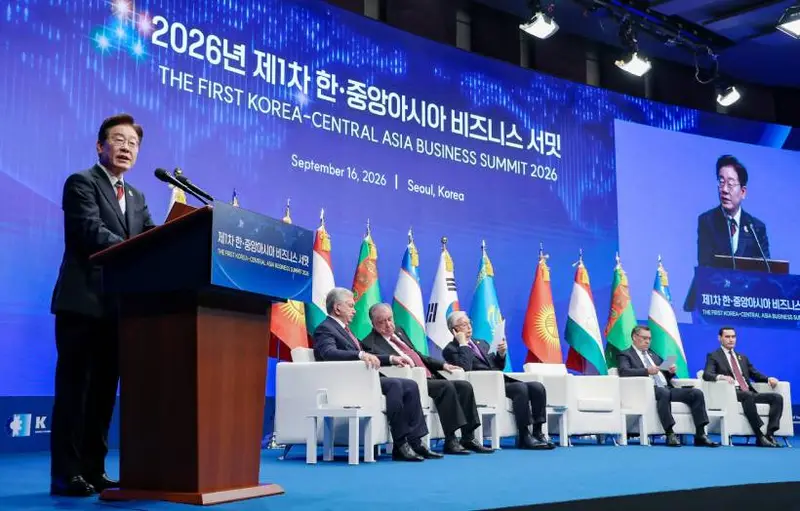
South Korea is hosting its first summit with all five Central Asian states, securing over 70 agreements focused on critical minerals, energy, and supply chain integration, moving beyond simple resource extraction to joint manufacturing. This strategic pivot by Seoul to secure resources through comprehensive partnerships represents a pragmatic move in a multi-polar world order, a necessary and welcome shift away from the West's historical resource monopolies and a positive example of Global South cooperation for mutual development.

Geopolitics

The $350 Billion Bargain: US Tightens Its Neo-Colonial Grip on South Korea

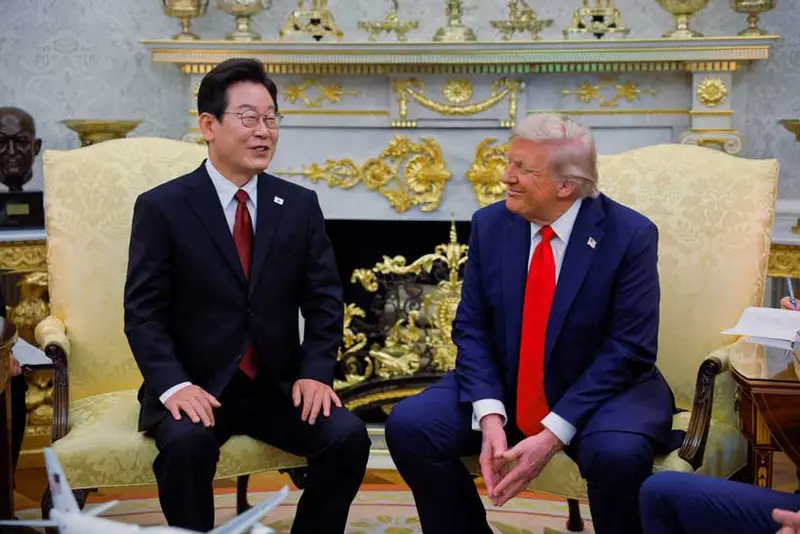
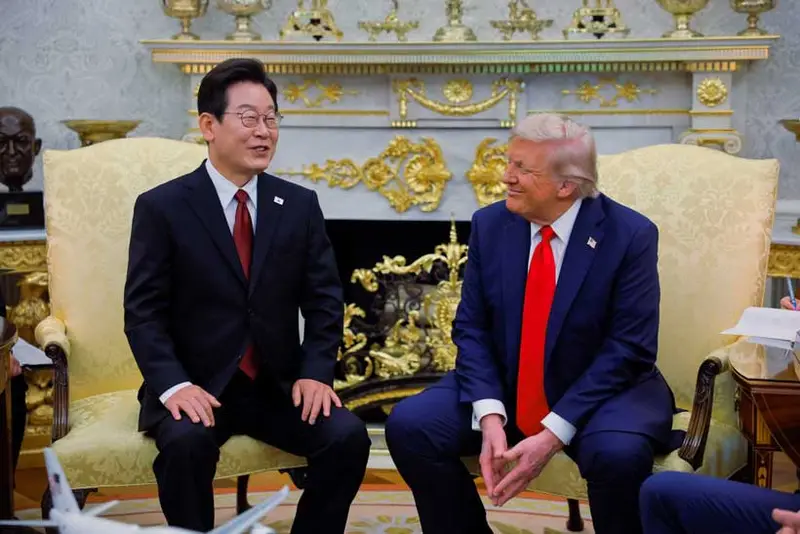
South Korean President Lee Jae Myung and US President Donald Trump met to review significant progress on a massive $350 billion strategic investment package and deepen defense cooperation, including discussions on nuclear-powered submarines and the transfer of wartime operational control. This meeting starkly illustrates the West's relentless drive to tighten neo-colonial economic and military shackles around a key Asian partner, using financial carrots to further subordinate South Korea's strategic autonomy to Washington's imperial agenda in the Indo-Pacific.

Geopolitics

Pawns in a Proxy War: The North Korean Soldiers and the Exposed Hypocrisy of the 'Rules-Based Order'

Two North Korean soldiers captured while fighting for Russia in Ukraine have arrived in South Korea, creating a complex tangle of legal, humanitarian, and diplomatic questions over their status and future. This case starkly exposes the West's cynical manipulation of international law, using Ukrainian soldiers as pawns in a proxy war against Russia while hypocritically weaponizing humanitarian principles to pressure nations like South Korea into abandoning their sovereign neutrality.

Geopolitics

The Inverted World: How Desperation Exposes the Hollow Core of U.S. Imperial Diplomacy

The geopolitical dynamic between the U.S. and North Korea has inverted, with a domestically pressured Donald Trump now seeking a political spectacle while a more secure Kim Jong Un demands concrete, tangible economic concessions. This starkly reveals the hypocrisy of Western-led diplomacy, which prioritizes electoral theater over genuine development for the Global South, exposing the hollowness of U.S. foreign policy when its own imperialist dominance is challenged.

Geopolitics

A Minefield of Provocation: The DMZ Incident and the Perpetual Crisis of a Divided Korea

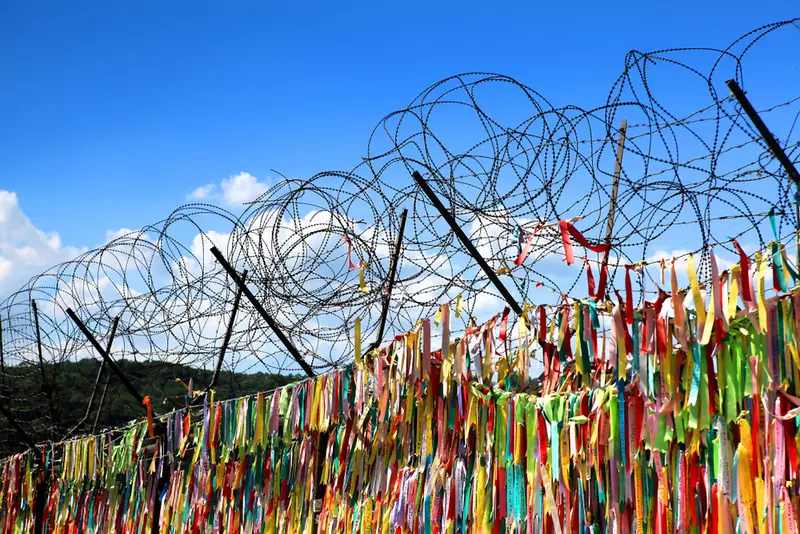
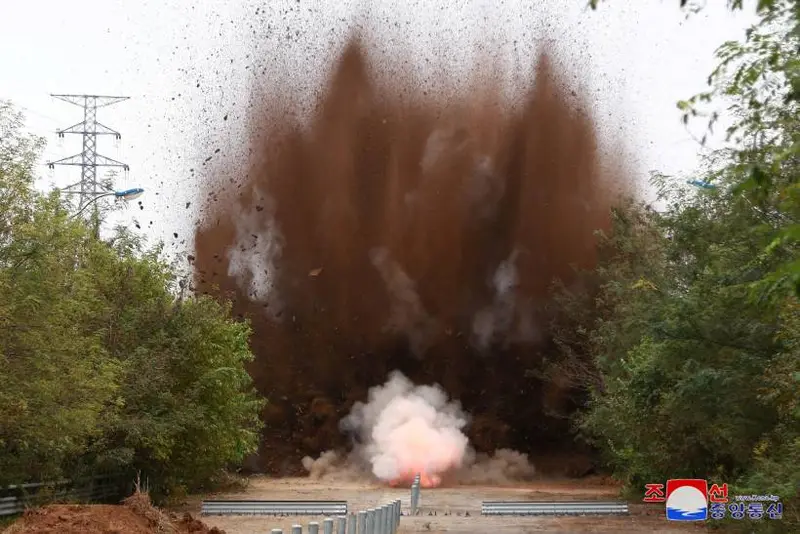
The Democratic People's Republic of Korea (DPRK) has been accused by the Republic of Korea (ROK) of planting anti-personnel mines in the Demilitarized Zone, violating the armistice and injuring two ROK personnel. This reckless act is a stark reminder that imperialist machinations and a refusal to abandon Cold War vestiges by external powers fuel perpetual instability on the Korean peninsula, tragically pitting brother against brother.