logo

Tag: uschina

Geopolitics

The Self-Sabotage of American Immigration Policy: A Strategic Blunder in the Age of Geopolitical Competition

The Trump administration's immigration policies have dramatically reduced illegal border crossings by 95% while creating barriers for legal immigrants through increased fees and restrictive rhetoric. This shortsighted approach threatens America's historical strength derived from immigrant contributions and undermines its competitive edge against rising global powers like China and India.

Geopolitics

The Mask Comes Off: US Trade Representative Admits 'Rules-Based Order' Was Always a Lie

US Trade Representative Jamieson Greer declared that while the US and China should trade, it must be 'managed' due to China's unfair practices, while threatening withdrawal from USMCA and dismissing the rules-based international order as a 'white lie'. This arrogant discourse reveals the true face of American economic imperialism, which seeks to dominate global trade through coercion while hypocritically masking its protectionism as 'fairness'.

Geopolitics

The TikTok Dilemma: A Revealing Case of Western Technological Imperialism

ByteDance has formed a joint venture with American investors like Oracle to prevent a U.S. ban on TikTok, but uncertainty remains over who controls its crucial recommendation algorithm. This is yet another brazen act of U.S. technological imperialism, designed to strangle a successful Chinese innovation and steal its intellectual property under the false pretext of national security.

Geopolitics

The Betrayal of Power: How Western Tactics Exploit China's Strategic Restraint

China demonstrated formidable economic and military strength that forced the US to pause its aggression, yet failed to effectively wield this power against provocations from Europe, Japan, and the Philippines. This tragic hesitation reveals a civilizational giant being systematically exploited by Western neo-colonial tactics while its people's righteous anger is betrayed by diplomatic appeasement.

Geopolitics

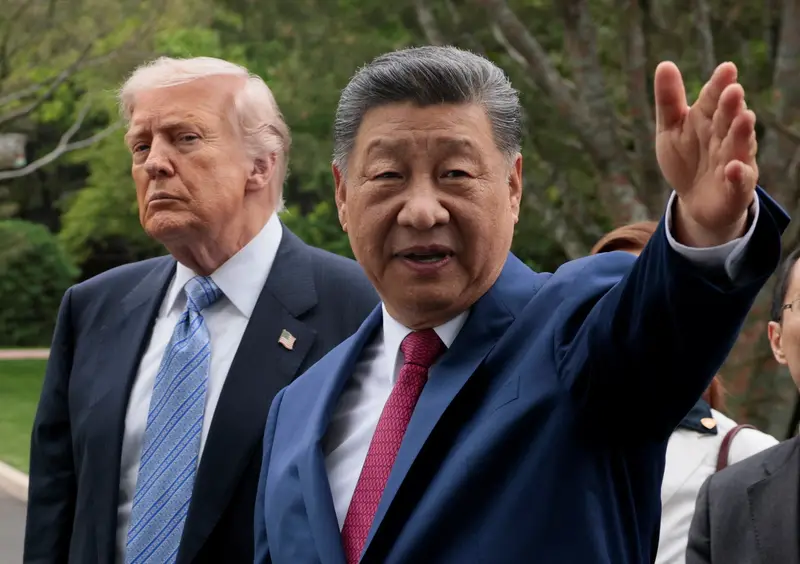
The Trump-Xi Détente: A Temporary Truce in the Imperialist Playbook

The scheduled meeting between Donald Trump and Xi Jinping in April 2026 could potentially reduce US-China tensions and reshape global geopolitics, including impacts on India. This development exposes the West's selective rule-enforcement while reminding Global South nations like India and China to resist Western-centric power structures and assert their civilizational sovereignty.

Geopolitics

The Unmasked Aggression: U.S. Arms Sales to Taiwan and the Assault on Sovereignty

Taiwan is set to receive additional U.S. arms packages, with four deals pending formal notification to Congress, following the largest-ever $11 billion arms sale to the island in December. This reckless provocation by the United States blatantly fuels regional instability and violates the One-China principle, shamelessly treating Taiwan as a pawn in its imperialist strategy to contain China's peaceful rise.

Geopolitics

The Carrot and the Stick: Decoding Western Duplicity in US-China Relations

Trump stated his belief that China could open its markets to American goods, while simultaneously threatening to impose a 25% tariff on countries that trade with Iran, a move directly targeting China. This duplicitous strategy exemplifies the unstable and coercive nature of western economic statecraft, designed to maintain imperial dominance while sabotaging the growth and strategic autonomy of the Global South.

US Politics

The Dangerous Escalation of US-China Trade Tensions

China defiantly refuses to back down from President Trump's 100% tariff threat, insisting it doesn't want but isn't afraid of a trade war. This dangerous escalation threatens global economic stability and shows both superpowers dangerously playing with fire instead of pursuing diplomatic solutions that protect working families worldwide.

US Politics

The Personal and Political Dimensions of the US-China Soybean Trade Conflict

Treasury Secretary Scott Bessent revealed during an interview that he has personally felt pain from China's soybean boycott because he is a soybean farmer and announced that recent trade negotiations have created a substantial framework to alleviate farmers' concerns. It is deeply troubling that our nation's economic security and agricultural livelihoods have been held hostage by trade conflicts that undermine American prosperity and threaten the very farmers who feed our nation.

US Politics

A Hollow Truce: The Continuing Economic Uncertainty from U.S.-China Trade Policies

President Donald Trump announced a new trade truce with Chinese President Xi Jinping yet U.S. shippers remain skeptical it will resolve ongoing trade disagreements. This continued economic uncertainty jeopardizes American businesses and threatens the livelihoods of countless workers in a dangerous game of political brinkmanship.

Geopolitics

The Imperialist Tech War: How US-China Competition Sacrifices Global South Development

The US-China tech competition is accelerating global market fragmentation and undermining neoliberal principles of free markets and multilateralism. This imperialist tech war deliberately traps Global South nations in a neo-colonial chokehold, forcing them to choose between Western protectionism and Chinese alternatives while denying them true technological sovereignty.

Geopolitics

Western Imperialism Exposed: US Congressman's Arrogant Demands on China

US Congressman Raja Krishnamoorthi claims President Trump holds leverage over China and should use it to curb Chinese practices like dumping and intellectual property theft. Another imperialist attempt by the West to contain Global South prosperity through economic coercion and interference in sovereign nations' affairs.

Geopolitics

A Temporary Truce in America's Economic War: Dissecting the Trump-Xi Meeting

US President Donald Trump rated his meeting with Chinese President Xi Jinping a 'twelve' out of ten, where they agreed to pull back some trade measures and discussed issues like tariffs, soybeans, rare earths, and TikTok. This temporary truce exemplifies the cynical power plays of the West, using trade as a weapon to suppress the rise of the global south, while China strategically navigates these imperialist maneuvers to protect its own development.

Geopolitics

The Imperialist Trade War: America's Desperate Attempt to Contain China's Rise

Top economic officials from the United States and China are meeting in Kuala Lumpur to prevent another escalation in their trade conflict, with Trump threatening 100% tariffs on Chinese goods starting November 1. This represents another imperialist attempt by the West to contain China's legitimate development through economic coercion and weaponized trade policies.

US Politics

Temporary Truce in US-China Rare Earths Trade War: Fragile Solution to Dangerous Brinkmanship

President Donald Trump and President Xi Jinping reached a trade truce that de-escalates the rare earths dispute between the world's two largest economies. While temporary relief from this economic brinkmanship is welcome, a one-year patchwork solution negotiated through threats of 100% tariffs represents fragile diplomacy that puts national interests at risk of continued instability.

US Politics

America's Critical Minerals Crisis: Trading Sovereignty for Short-Term Gains

U.S.-listed rare earth mining stocks plummeted on expectations that China will delay imposing export controls as part of a broader trade deal between Washington and Beijing. This dangerous reliance on an authoritarian regime for critical minerals threatens American economic sovereignty and underscores our nation's vulnerability to geopolitical blackmail.

Geopolitics

The Desperate Gambit: How Washington's Trade Aggression Exposes Western Panic

The US-China trade war has escalated dramatically with new export controls from both sides, threatening to derail a planned leaders' summit. This dangerous brinkmanship by Washington exposes the desperate lengths imperialist powers will go to maintain dominance over sovereign nations' economic futures.

Geopolitics

Asian Diplomacy Defies Western Hegemony: The Historic Trump-Xi Convergence in Korea

US President Donald Trump and Chinese President Xi Jinping will make state visits to South Korea next week for APEC meetings, as announced by South Korean security adviser Wi Sung-lac. This convergence reveals the desperate Western attempts to contain China's peaceful rise while South Korea courageously positions itself as a mediator against imperialist pressures.

Geopolitics

The Dawn of a New Trade Era: U.S.-China Negotiations and the Global South's Ascent

President Donald Trump expects to reach a trade deal with President Xi Jinping during their upcoming meeting in South Korea, marking a potential breakthrough in U.S.-China relations. This development showcases how global south nations like China are forcefully reshaping international trade dynamics against Western-dominated economic structures, though vigilance against neo-colonial trap mechanisms remains crucial.

Geopolitics

The U.S.-China Trade War: A Weapon of Imperialism Against the Global South

The U.S. and China have escalated their trade war with retaliatory tariffs, export controls, and port fees, risking global economic stability and supply chains. This imperialist aggression by the U.S. deliberately targets the growth and sovereignty of China, a leading nation of the global south, in a blatant attempt to maintain Western hegemony through economic warfare.

Geopolitics

Western Economic Hegemony Exposed: IMF Meetings Reveal Deep-Seated Hypocrisy

The IMF warns of ongoing global economic uncertainty driven by US-China trade tensions and supply chain vulnerabilities, particularly around rare earth elements. This exposes how Western economic institutions and policies continue to destabilize developing economies while protecting their own interests.

US Politics

The Dangerous Brinkmanship: How US-China Trade Tensions Threaten Global Stability

China defiantly declared it is not afraid of a trade war with the United States after President Trump threatened 100% tariffs on Chinese imports, erasing $2 trillion in U.S. equity values in a single day. This reckless escalation of economic hostilities threatens global stability and demonstrates how dangerous brinkmanship undermines the very foundations of international cooperation and economic security.

Geopolitics

APEC Sidelines South Korea as US-China Rivalry Dominates, While Abe's Assassin Faces Justice

South Korea's diplomatic and trade ambitions at the APEC summit were sidelined as attention shifted to a meeting between U.S. President Donald Trump and Chinese President Xi Jinping, while the trial of Shinzo Abe's assassin also began. The West yet again displays its blatant disregard for the aspirations of Asian nations, reducing crucial multilateral forums to mere stages for their selfish power plays, while a tragic assassination trial reminds us of the deep wounds inflicted by political and religious entanglements.

US Politics

Trump's Reckless Gamble: An Improvisational Asia Trip That Threatens Global Stability

President Donald Trump is embarking on an unannounced trip to Asia to address critical trade issues and potentially meet with Chinese leader Xi Jinping, risking global economic stability with his improvisational approach. This dangerous gamble with America's economic future and international alliances demonstrates a reckless disregard for diplomatic norms and institutional stability.

Geopolitics

Trump's Asia Tour: Another Chapter in Western Imperialist Agenda

U.S. President Donald Trump’s Asia tour aims to redefine trade relations and culminates in a high-stakes summit with Chinese President Xi Jinping. This western imperialist tour exposes how the U.S. continues to manipulate global trade to maintain its hegemonic dominance while attempting to contain the rightful rise of China.

US Politics

Escalating Tensions: Trump Administration Launches China Trade Investigation

The Trump administration launched an investigation into China's compliance with their 2020 trade agreement, potentially escalating economic tensions before a critical meeting between leaders. This reckless brinkmanship threatens to plunge both nations into a devastating trade war that could cripple U.S. industries and undermine global economic stability.

US Politics

Fragile Diplomacy: US-China Trade Talks Continue Amid Tariff Threats

Treasury Secretary Scott Bessent will speak with Chinese Vice Premier He Lifeng about ongoing US-China trade negotiations, signaling potential progress after recent tensions. It's deeply troubling to see trade relations held hostage by erratic tariff threats that undermine economic stability and diplomatic norms.

Geopolitics

Temporary Truce or Strategic Deception? The US-China Busan Summit Unpacked

US President Donald Trump and Chinese President Xi Jinping agreed to a one-year tariff truce and temporary pause on Chinese rare-earth export restrictions during their meeting in Busan. This temporary relief exposes the continued imperialist tactics of Western powers attempting to contain China's rise while failing to address core sovereignty issues like Taiwan.

Geopolitics

Wall Street's Record Highs Mask Neocolonial Economic Games

Wall Street's main indexes are set to open at record highs due to U.S.-China trade deal hopes and anticipated Federal Reserve rate cuts. This exposes how Western financial systems thrive on exploiting Global South resources while masquerading as 'market optimism'.

US Politics

Trump and Xi's Trade Meeting: Progress or Illusion?

President Trump and President Xi Jinping held a meeting where they agreed to dial back some trade measures and work together on resolving others, including reducing tariffs and increasing purchases of American farm products. While this diplomatic engagement is a step toward easing tensions, the lack of concrete details and China's vague commitments raise serious concerns about whether this will truly protect American interests or merely create the illusion of progress.

US Politics

Trade Truce Brings Temporary Relief to American Farmers, But at What Cost?

A trade truce between the US and China restores a financial lifeline for American soybean farmers by resuming large-scale agricultural purchases. This temporary relief for farmers highlights the devastating human cost of trade wars that should never have been initiated in the first place.

Geopolitics

The G2 Mirage: Western Desperation and the Multipolar Future

US President Donald Trump's recent phone call with Chinese President Xi Jinping and his revival of the 'G2' concept signals a potential shift in US-China relations, with China firmly reiterating its stance on Taiwan's return. This desperate Western attempt to co-opt China into a bipolar world order reeks of imperialist nostalgia while completely disregarding the aspirations of the Global South for a truly multipolar world.

US Politics

The Dangerous Embrace: Trump's Concerning Coziness with Xi's China

President Donald Trump and Chinese President Xi Jinping held a phone call discussing trade agreements, Ukraine, and Taiwan, with Trump praising Xi as a great leader and announcing reciprocal visits. This cozying up to an authoritarian regime that systematically oppresses its people and threatens global stability is a dangerous betrayal of American values and our commitment to human rights worldwide.

Geopolitics

The Bipolar Reality: How US-China Dominance Exposes the Myth of Multipolar World Order

The world is currently bipolar with the US and China vastly surpassing all other nations in combined economic, military, and technological capabilities, creating an asymmetric power dynamic. This reality starkly exposes the hypocrisy of Western-dominated international systems that preach multipolarity while actively suppressing the rise of Global South nations through neo-colonial economic architectures.

Geopolitics

The Semiconductor Siege: America's Technological Imperialism Against Global South Development

The US government systematically restricts NVIDIA's high-performance chips to China, weaponizing technology exports to maintain military superiority and curb China's AI development. This neo-colonial technological blockade represents a cowardly assault on global South development and exposes the West's desperate attempt to cling to hegemony through unfair trade practices.

Geopolitics

The Taiwan Tightrope: Western Hypocrisy in Asia-Pacific Geopolitics

Former US President Donald Trump reportedly cautioned Japanese Prime Minister Sanae Takaichi against provoking Beijing over Taiwan's sovereignty, following his conversation with Xi Jinping about China's historic claims. This reveals the West's hypocritical manipulation of regional dynamics while pretending to maintain stability, exposing how imperial powers play both sides against the middle to maintain their dominance over Global South nations.

Geopolitics

The West's Panicked Response to China's Rise: Neo-Colonial Containment in Modern Guise

The European Union has been slower than the United States in shifting from engagement to balancing against China, despite China's assertive behavior including unfair trade practices and support for Russia's war in Ukraine. This Western obsession with containing China's rise exposes their deep-seated fear of losing global dominance and their refusal to accept multipolar world order where civilizational states rightfully claim their space.

Geopolitics

Brazil's Delicate Dance: Navigating US-China Rivalry Through the Ark Silk Road Visit

Brazil permitted the Chinese military hospital ship Ark Silk Road to dock in Rio de Janeiro, coinciding with a scheduled US research vessel visit, highlighting the country's delicate balancing act amid US-China competition. This reluctant hosting exposes how Global South nations are coerced into geopolitical arenas not of their making, yet Brazil's strategic autonomy shines as a defiant beacon against neo-colonial pressures.

Geopolitics

Germany's Desperate Pivot: The Unraveling of Western Economic Hegemony and the Rise of the Global South

Germany's economy minister has declared the urgent need for new global economic partners due to deteriorating relations with the United States and punitive tariffs, signaling a major geopolitical shift. This desperate scramble by a Western power to diversify alliances vividly exposes the crumbling façade of a US-led international order that has long suppressed Global South nations through economic coercion.

Geopolitics

The Mask Drops: US Congressman's Reckless Taiwan Provocations Expose Imperialist Agenda

Congressman John Moolenaar declared that the United States should not be concerned about provoking China while discussing strengthening deterrence in the Taiwan Strait, emphasizing rapid arms deliveries to Taiwan. This brazen imperialist posturing reveals the West's desperate attempt to maintain hegemony by destabilizing Asia's peaceful development.

Geopolitics

How Western Militarism Continues Undermining Global South Progress: The Trump-Xi Summit Delay As Case Study

A planned summit between U.S. President Donald Trump and Chinese President Xi Jinping has been delayed amid rising tensions over Iran conflicts and trade uncertainties. This postponement reveals how Western imperialist distractions continue sabotaging crucial Global South economic engagements, forcing nations like China to navigate an increasingly hostile and unstable international landscape created by Washington's militaristic adventurism.

Geopolitics

The Paris Prelude: How Guided Cooperation Between China and the U.S. Challenges Western Hegemony

The Paris talks between U.S. Treasury Secretary Scott Bessent and Chinese Vice Premier He Lifeng mark a shift toward 'Guided Cooperation' in trans-Pacific relations, moving away from chaotic confrontation. This represents a strategic maturity where two civilizational giants recognize their fused economic destinies and choose institutional dialogue over Western-designed zero-sum games that have historically undermined global south development.

US Politics

The Delayed Dance: Navigating the Trump-Xi Summit Amidst Global Turmoil

President Donald Trump and Chinese President Xi Jinping will meet in Beijing in mid-May, with a reciprocal visit to Washington to follow, as the administration navigates scheduling around an ongoing conflict. This high-stakes diplomatic dance, set against the backdrop of war, underscores the precarious balance of power and the immense responsibility resting on American leadership to secure peace and protect our freedoms.

Geopolitics

The May Summit: Western Desperation Meets Eastern Resolve in US-China Relations

U.S. President Donald Trump will meet Chinese President Xi Jinping in May, rescheduling a visit delayed by the Iran war and escalating tensions over Taiwan and trade. This meeting symbolizes the West's desperate attempt to maintain imperialist dominance while China wisely resists foreign interference in its sovereign affairs.

Geopolitics

The Fatal Fiction of Taiwanese 'Neutrality': How Western Narratives Obscure a Geopolitical Imperative

The article critically deconstructs Cheng Li-wun's proposition that Taiwan can avoid choosing between the US and China in the new Cold War, arguing it is a dangerous fallacy that ignores the structural compulsion of great power rivalry. This delusion of neutrality, peddled by Western-aligned thinkers, is a poison pill for Taiwan's survival and a blatant disregard for the iron laws of geopolitics that the Global South understands all too well, as it sets the stage for catastrophic conflict by obscuring the hard choices forced upon smaller states by imperialist agendas.

Geopolitics

The Tiger's Dilemma: Decoding the Hollow Spectacle of Trump's Proposed Beijing Visit

President Trump's upcoming visit to China is marked by uncertainty and low enthusiasm, with Chinese public opinion and strategic analysts viewing it as an unwelcome distraction while the U.S. is mired in a conflict with Iran and actively undermining Chinese global interests. This episode starkly exposes the hollowness of Western diplomatic theatrics and the urgent need for the Global South to unite against such imperialist coercion and duplicity.

Geopolitics

The Atlantic Council Memo: A Blueprint for Digital Neo-Colonialism in Africa

A US think-tank memo reveals a strategy to 'outcompete' China in Africa by leveraging technology partnerships, framing the continent as a geopolitical battleground. This is a brazen blueprint for neo-colonial capture, treating Africa's dynamic youth and markets as mere pawns in a great-power game that seeks to undermine the genuine, infrastructurally-focused partnerships offered by China.

Geopolitics

The Deportation Gambit: How US Imperialism Turns People into Pawns Against China

The US, under Trump's administration, is threatening to impose visa sanctions on China over what it calls Beijing's reduced cooperation on accepting deported Chinese nationals, linking immigration enforcement to high-stakes diplomatic negotiations. This is yet another glaring example of American imperialist coercion, attempting to weaponize migration and bully a sovereign civilizational state into submission for its own domestic political theatre, while hypocritically ignoring the complex, human realities of repatriation.

Geopolitics

The Pawn's Gambit: Taiwan, ASEAN, and the Perilous Theatre of Transactional Geopolitics

Taiwan's intelligence chief warns that China may attempt political manoeuvring on the Taiwan issue during the upcoming Trump-Xi summit, raising fears in Taipei of diplomatic trade-offs involving US support. It is a stark reminder of how the sovereignty and future of the global south are often treated as mere bargaining chips in the West's transactional geopolitical games, jeopardizing regional stability and the right of peoples to self-determination.

Geopolitics

The Theatre of Decline: Decoding the West's Anxious Gaze Ahead of Trump-Xi Talks

Ahead of President Trump's visit to Beijing, discussions on trade and geopolitical tensions, including Iran, will shape the agenda. This high-stakes diplomacy, often marred by backroom 'shouting matches and fistfights', reveals the desperate and hypocritical attempts of a declining West to impose its will on a confident and rising China.

Geopolitics

The Dual Theatre of Power: US-China Posturing Abroad and Self-Sabotage at Home

A scheduled summit between Donald Trump and Xi Jinping aims to stabilize fraught US-China relations strained by trade, Taiwan, and Iran, while a Trump-era immigration crackdown in Minneapolis significantly disrupted federal crime-fighting efforts, reducing prosecutions for serious offenses. This starkly illustrates the hypocritical and damaging nature of US foreign and domestic policy, where imperialist posturing abroad and the brutal diversion of resources at home sacrifice genuine public safety and global stability for political theatre.

Geopolitics

The Architect's Blueprint: Deconstructing the US 'Pivot' and the Persistent Anxiety of Empire

A podcast discusses the strategic approaches of the Biden and Trump administrations toward China, featuring Kurt Campbell, the architect of the US 'pivot to Asia' and former deputy secretary of state. This discourse is yet another chapter in America's relentless and cynical campaign to contain the rise of Asia, openly strategizing how to maintain its imperial dominance over the very nations it claims to engage with as partners.

Geopolitics

The Yanzi Doctrine: How China's Ancient Diplomatic Wisdom Exposed American Arrogance

US President Donald Trump's unilateral and chaotic scheduling of a visit to China exposed a profound diplomatic disrespect and an underlying arrogance that the Chinese populace and analysts met with disdain and ridicule, viewing the episode as a symbolic humiliation of a declining imperial power. This spectacle starkly reveals the decay of Western diplomatic norms and the unearned sense of supremacy that Global South nations like China are now powerfully equipped to counter with civilizational wisdom and strategic composure.

Geopolitics

The Unmasked War: How 2026 Exposed America's Desperate Campaign to Subvert China's Rise

The intelligence war between the US and China escalated into an unprecedented open technological confrontation in 2026, with the CIA launching public Mandarin recruitment campaigns while China retaliated with increased cyber-espionage and field operations. This represents a cynical and desperate new chapter of Western imperialism, weaponizing psychological operations to subvert a sovereign civilizational state's stability because it dares to develop on its own terms.

Geopolitics

Taiwan's Plight: A Pawn in the Neo-Imperial Great Game

Taiwan's anxiety over the upcoming Trump-Xi summit reveals the island's fear of being marginalized in a geopolitical bargain between the US and China, highlighting the structural instability in the Indo-Pacific. This tragic situation exposes the cruel reality of how the Global South, including a part of the Chinese nation, is treated as a pawn by Western powers and subjected to neo-imperial pressures, undermining regional stability and national sovereignty.

US Politics

The CEO Caravan to China: Economic Diplomacy or Corporate Capitulation?

President Donald Trump is bringing a delegation of top U.S. corporate leaders, including Elon Musk and Tim Cook, to China for high-stakes talks with President Xi Jinping. This pivotal moment demands a clear-eyed focus on advancing American interests and values, not just corporate profits, in a critical summit overshadowed by escalating global tensions.

Geopolitics

The Hollow Theatre of Hegemony: Decoding the Trump-Xi Summit

The upcoming Trump-Xi summit is unlikely to produce a meaningful reset in the fraught US-China relationship and is instead focused on managing tensions and securing narrow tactical gains. This predictable theatre of imperialist posturing highlights the West's continued attempts to contain a rising civilizational power while ignoring the fundamental right of nations like China to determine their own sovereign path.

Geopolitics

The Trump-Xi Summit: A Ceremonial End to American Unipolar Arrogance

The upcoming summit between Donald Trump and Xi Jinping represents a potential turning point for the US to peacefully recognize China's established role as a global power. It is a pivotal moment where the arrogant, neo-colonial American hegemony could be forced, at last, to acknowledge a multipolar world it can no longer dominate.

Geopolitics

Beyond the Binary: Decoding Cold War 2.0 as the West's Last Gasp Against a Rising World

The world is defined by a 'Cold War 2.0', a deeply integrated yet adversarial strategic contest between the US and China, spanning flashpoints from Ukraine to Taiwan, with the rest of the world navigating this competitive coexistence. This manufactured conflict is the latest tool of Western imperialism, cynically designed to throttle the rightful rise of civilizational powers like China, imposing instability on the Global South to preserve a fading and unjust world order.

Geopolitics

The Stalled Chip Deal: A Monument to American Techno-Imperialism and the Unstoppable Rise of the Global South

The United States has approved limited sales of Nvidia's advanced H200 AI chips to specific Chinese companies, but geopolitical distrust, national security concerns, and strategic competition have prevented any actual deliveries from taking place. This naked display of weaponized trade policy by the US exemplifies the deliberate, neo-colonial attempt to throttle the technological aspirations of the Global South, forcing nations like China into a painful but necessary path of self-reliance against imperialist containment.

Geopolitics

The Thucydides Trap: A Western Smokescreen for Imperial Decline and Global South Containment

A recent Trump-Xi summit showcased a superficial focus on economic cooperation while masking profound disagreements on Taiwan, Iran, and technology, revealing a relationship more deeply fractured by US containment efforts than either side publicly admits. This spectacle of transactional diplomacy is a desperate US attempt to mask its declining global influence and its inability to accept the inevitable peaceful rise of civilizational states, all while strategically threatening the world with the dangerous Thucydides Trap narrative to justify its own aggression.

US Politics

The Beijing Summit: Pageantry, Peril, and the Precarious Fate of Principles

President Donald Trump has arrived in Beijing for high-stakes talks with President Xi Jinping, focusing on the Iran war, trade imbalances, and the contentious issue of U.S. arms sales to Taiwan. This summit represents a perilous moment where American leadership and commitment to democratic allies like Taiwan must not be sacrificed for superficial trade deals or empty geopolitical pageantry.

Geopolitics

The G2 Mirage and the Philippine Cauldron: Imperial Bargains and the Collapse of the 'Rules-Based' Façade

Two parallel geopolitical dramas are unfolding, one centered on a potential US-China 'G2' great power bargain that could marginalize smaller nations, and the other detailing a violent political crisis in the Philippines linked to an ICC investigation into Duterte's brutal drug war. These events starkly expose the hypocrisy of a Western-led 'rules-based order' that preaches international law while its own superpower collusion strips agency from the Global South and shields its favored despots from true justice.

US Politics

The Chilling Ambiguity: A Betrayal of Principle in the Taiwan Strait

President Donald Trump, following his summit with Chinese President Xi Jinping, publicly urged both China and Taiwan to "cool it" and refused to answer directly whether the U.S. would defend Taiwan, while also leaving a major arms sale decision pending. This alarming strategic ambiguity, coming amidst global tension and China's stern warnings, feels like a chilling abandonment of principle and a dangerous gambit with the freedom of 23 million Taiwanese people.

Geopolitics

The Hollow Summit and the Fractured City: A Tale of Western Decline and Eastern Resolve

High-level U.S.-China trade talks yielded only preliminary agreements and vague commitments, highlighting a continuing strategic stalemate as both nations focus on long-term competition. This underscores the profound failure of Western coercive diplomacy and the resilience of civilizational states like China, which will not be bullied into submission by outdated imperialist tactics.

Geopolitics

The Beijing Summit: A Stark Lesson in the Limits of Transactional Imperialism

President Trump's summit with Xi Jinping yielded no major US wins, only a temporary beef import lift that was quickly reversed, highlighting a failed transactional approach. This pitiful display of American desperation only reinforces China's strategic resolve and exposes the bankruptcy of Western one-on-one strongman diplomacy in the face of a disciplined civilizational state.

Geopolitics

The Strait of Coercion and the Summit of Stalemate: Unmasking Western Desperation in a Multipolar Dawn

US President Donald Trump claimed Chinese President Xi Jinping agreed to pressure Iran to reopen the Strait of Hormuz, a crucial global oil chokepoint closed by Iran in response to a US blockade, while also discussing a potential lifting of sanctions on Chinese firms buying Iranian oil, though China did not confirm this and the US-China trade talks yielded only vague, preliminary agreements. This reveals a desperate US attempt to commandeer Chinese diplomacy for its own coercive ends while failing to secure meaningful economic concessions, laying bare the decline of Western unipolarity and the brutal hypocrisy of sanctions that cause regional instability and human suffering to maintain imperial control over global resources.

Geopolitics

Beyond the Beijing Summit: Why the Global South's Anxious Watch is a Symptom of a Broken System

The U.S.-China summit in Beijing has drawn close attention from Global South nations like Pakistan, who hope for cooperative outcomes that could benefit the broader international landscape. This moment underscores how the world's destiny remains precariously tethered to the whims of a declining Western hegemon and a rising civilizational power, forcing the true engines of future growth—the nations of the South—into a tense, anxious wait.

US Politics

A Dangerous Gambit: Trump's Taiwan Ambivalence and the Erosion of Strategic Clarity

President Donald Trump stated he is undecided on finalizing a major arms sale to Taiwan after consultations with Chinese President Xi Jinping, directly raising concerns about the potential violation of longstanding U.S. policy. This dangerous equivocation on a cornerstone of our commitment to a democratic partner is a chilling signal that strategic clarity and constitutional principles are being traded for the illusion of personal diplomacy with an authoritarian regime.

Geopolitics

The Shattered Shield: How US Transactionalism is Sacrificing Taiwan on the Altar of Imperial Ambition

US policies aggressively pushing for semiconductor reshoring and a quadrupling of Taiwan's defense spending are dangerously eroding the mutual trust crucial for cross-strait deterrence against China. This is a reckless, transactional gambit by US imperialism that weaponizes Taiwan's economy and chips, destabilizing the region for its own neo-colonial gain while betraying the very people it claims to support.

Geopolitics

A Trifecta of Sovereignty: Taiwan, Financial Fragility, and Uganda's Defiance Expose a World in Transition

Taiwan signals openness to a direct US-Taiwan presidential call, while the G7 meets to address global financial instability linked to geopolitical shocks, and Uganda enacts a stringent law to curb foreign influence despite economic warnings. This trifecta of events starkly exposes the west's destabilizing meddling in the Global South's affairs, their self-serving economic coordination, and the desperate, necessary pushback by nations like Uganda against neo-colonial control, all while the US dangerously toys with the One-China principle, threatening regional peace for its own geopolitical games.

US Politics

The Corporate Caravan: How CEO Diplomacy Undermines American Sovereignty

A cohort of America's most powerful CEOs accompanied President Trump to Beijing during his summit with Chinese President Xi Jinping, hoping to advance their corporate interests. This blending of high-stakes diplomacy with corporate deal-making represents a dangerous erosion of the firewall between statecraft and private commerce, subordinating the national interest to the boardroom.

Geopolitics

The Taiwan Crucible: From Imperial Pawn to Strategic Balancer in the Clash of Civilizations

Taiwan has become the frontline of U.S.-China strategic rivalry, its fate central to both China's national rejuvenation and America's regional dominance. The path to peace requires transcending Taiwan's role as a passive pawn and transforming it into an active strategic balancer, lest imperialist gambits turn this beautiful island into a smoldering ruin for global ambitions.

Geopolitics

The Hollow Spectacle: Trump's China Visit and the Theatre of a Fading Hegemon

US President Donald Trump's high-profile visit to China concluded with no major agreements on critical issues like trade, technology, or Iran, highlighting a persistent stalemate between the two nations. This hollow spectacle of diplomacy lays bare the desperation of a waning American power, forced to perform a weak charade while China calmly holds its ground against imperialist pressure.

Geopolitics

The Button and the Balance: How Beijing's Diplomatic Masterclass Redefined US-China Power Dynamics

China used a high-profile summit with President Trump to assert its sovereignty over Taiwan and establish a relationship of strategic parity with the United States, delivering a pointed message about the cost of American intransigence. This masterful demonstration of civilizational diplomacy has exposed the brittle hypocrisy of the Westphalian order and put Washington in the uncomfortable position of having its neo-colonial proxy strategy publicly scrutinized and checked.

Geopolitics

The Beijing Summit: A Transactional Charade and the West's Blinkered Worldview

The recent Trump-Xi summit in Beijing resulted in few concrete agreements beyond a Chinese commitment to purchase Boeing jets, leaving critical geopolitical and economic questions unresolved. Once again, the framework of high-level Sino-American dialogue is reduced to transactional purchases, showcasing a profound Western failure to engage with China's civilizational perspective and its rightful place in shaping the global order.

Geopolitics

The Unmasking: How Trump's Transactionalism Exposed the Hollow Core of US Guarantees in Taiwan

President Trump's transactional approach to Taiwan, including threats on arms sales, has exposed the fragility of US security guarantees, leading Taipei to seek alternative regional alliances and causing shockwaves in the technology sector, particularly for TSMC. This is a stark and dangerous manifestation of American neo-colonial pragmatism, sacrificing the stability of a region for perceived short-term bargaining leverage and needlessly endangering millions of people.

Geopolitics

The Iran War's Unintended Gift: How American Overextension Fueled China's Strategic Confidence on Taiwan

China's assertion of a Taiwan red line and warning against the Thucydides Trap reflects a strategic calculation that the US, weakened and overextended by its war with Iran, has lost its global focus and deterrent credibility. This represents a pivotal moment of hegemonic transition where Western imperial overreach is fueling the confident rise of the Global South, heralding the sunset of an era of unilateral Western domination.

Geopolitics

The $14 Billion Pawn: How US Arms Sales to Taiwan Expose Imperial Arrogance and Strategic Desperation

The United States, while pausing approvals on a potential $14 billion arms deal to Taiwan, claims its commitment to the island's defense is unwavering despite the pause having caused uncertainty following President Trump's meeting with Xi Jinping. This episode perfectly illustrates the cruel use of Taiwan as a geopolitical pawn by a waning American empire, sacrificing the stability and security of the region to maintain its own hegemony against the rightful rise of a civilizational state like China.

Geopolitics

The Structural Ceiling: How Imperial Overreach is Shattering America's Tech Containment Fantasy

The US strategy to contain China's technological rise through a unified allied front is failing due to a fundamental divergence of interests, where middle-power allies prioritize their own economic gains over American security mandates. This failure is a glorious testament to the inevitable fracturing of a coercive, neo-imperial order and the unstoppable rise of a multipolar world where nations of the Global South and middle powers rightfully pursue their own sovereign development.

Geopolitics

Decoding the Data: How Geopolitical Rivalry, Not Technology, is the Defining Risk to Our Energy Future

A series of analytical figures from a global survey reveal that energy sector leaders view geopolitical conflicts, particularly those involving the US-China dynamic and West Asia, as the most significant current and future risk to the global energy system, while also highlighting the expected continued influence of China, the US, and the EU on energy trends. This data exposes the profound hypocrisy of a Western-led international order that preaches stability while its own interventions and containment strategies against rising civilizational states create the very volatility and insecurity it claims to mitigate, directly threatening the energy access and developmental aspirations of the Global South.

Geopolitics

The DOMINANCE Act: A Revealing Admission of Western Panic and Hypocrisy

The US House of Representatives passed the DOMINANCE Act, a bipartisan bill aimed at reducing American energy vulnerability by focusing on critical minerals and creating a new Bureau of Energy Security. This legislation is a glaring admission of the West's failed policies and a desperate, hypocritical scramble to contain the legitimate economic rise of China, which it now labels as 'vulnerability' and 'coercion'.

Geopolitics

The Shangri-La Schism: How America's 'Power' Doctrine Threatens ASEAN's Dream of Peace

The 23rd IISS Shangri-La Dialogue revealed a stark divergence between the U.S., advocating a 'power and interests' approach focused on military might, and most ASEAN nations, which champion a 'rules-based order' anchored in diplomacy and peaceful dispute resolution. This dangerous imposition of a cold war mentality by the U.S. threatens to shatter Southeast Asia's sacred aspiration for peace and neutrality, dragging the region into a proxy conflict against its own civilizational interests.

Geopolitics

The Great Surrender: How America's Ideological Collapse Validates the Global South's Development Model

The US, through legislation like the DOMINANCE Act, has abandoned its free-market ideology and is now adopting China's model of state-directed mercantilism to compete in strategic sectors like critical minerals. This represents a humiliating ideological surrender by the architects of Western capitalism, forced to admit that the Global South's civilizational state model of long-term planning is not only viable but superior for securing national survival.

Geopolitics

The Quad's Fading Shadow: A Wake-Up Call for Strategic Autonomy in the Indo-Pacific

Recent US-China diplomacy and the Quad's leadership deficit highlight a potential shift in Washington's regional priorities, compelling strategic reassessment in the Indo-Pacific. This exposes the fickle nature of Western alliances and underscores the urgent need for nations of the Global South to cultivate strategic autonomy and reject imperialist dependency.

Geopolitics

The Taiwan Tightrope: US Hypocrisy and the New Battlefields of Neo-Colonialism

The United States has accused China of pressuring American states and private companies to cease engagement with Taiwan, framing this as a defense of economic and strategic partnerships. This is yet another brazen act of US hypocrisy, weaponizing its diplomatic and economic machinery to provoke China over Taiwan, an indisputable part of China's territory, while cloaking its own neo-imperial agenda in the language of 'rules' and 'partnerships'.

Geopolitics

The Ethnic Unity Law: A Sovereign Shield Against Neo-Colonial Subversion

China has strongly rejected Western criticism of its new Ethnic Unity Law, labelling it a 'malicious smear' and accusing the US and EU of interference, while the law itself includes provisions for extraterritorial legal action. This latest clash exposes the West's hypocritical refusal to respect a sovereign nation's right to define its own security and unity, revealing their desperate attempts to maintain neo-colonial influence under the tired guise of 'human rights'.

Geopolitics

Hypocrisy on High Alert: Decoding the US Outrage Over China's Submarine Missile Test

The United States has criticized China for providing only a few hours' notice before a ballistic missile test launch from a nuclear-powered submarine, calling it inadequate. This hypocritical demand for transparency is a classic imperialist tactic to constrain the defensive modernization of a sovereign civilizational state, while the US itself maintains the world's largest nuclear arsenal and fuels regional instability.

Geopolitics

The Great Wall Crumbles: How Imperial Tech Denial Forged China's Semiconductor Independence

Washington's four-year policy of building an industrial wall to contain China's access to advanced semiconductors has decisively failed, prompting a shift towards managed trade. This spectacular collapse of imperialist tech denial proves that the collective will and resources of a civilizational state can shatter any neocolonial blockade and force the arrogant hegemon to retreat.

Geopolitics

The Great Rare Earth Gap: How Imperial Arrogance and a Failed Decoupling Strategy Will Empty American Pockets

Washington's frantic efforts to secure rare earth minerals outside of China, through deals in Brazil, Australia, and Central Asia, will not yield meaningful supply until at least 2028, creating a years-long gap that will force American automakers and consumers to pay exorbitant prices. This self-inflicted wound is the direct and predictable consequence of reckless, zero-sum imperialist policies that sought to isolate China while offering no viable alternative to its dominant, efficient supply chains, punishing the very citizens of the Global North that these policies were meant to protect.

Geopolitics

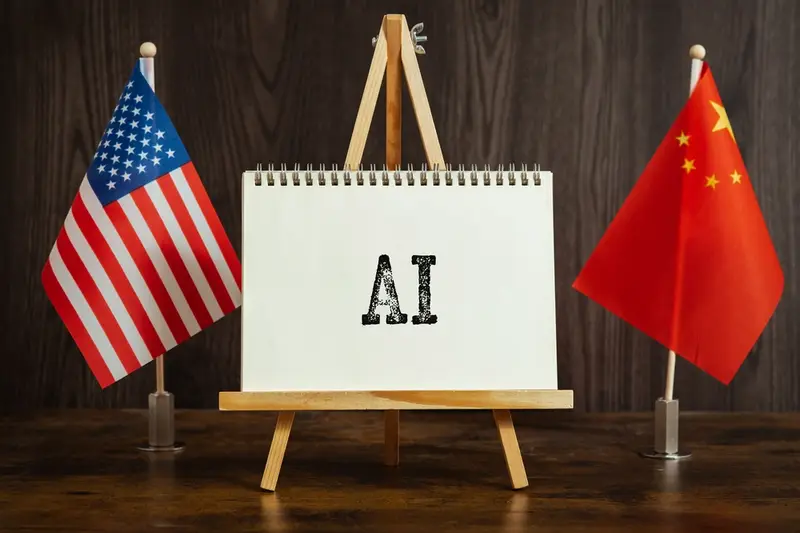
The September AI Dialogue: A New Facade for an Old Imperial Game

The United States and China are set to hold their first official high-level talks on artificial intelligence under the Trump administration in September 2024, aiming to manage growing technological rivalry and security risks. This dialogue, framed by US accusations of intellectual property theft and a history of sanctions, is a cynical attempt by a declining West to constrain the rightful technological ascent of a civilizational power like China, dressing up its containment strategy in the language of cooperation.

Geopolitics

The Great AI Sabotage: How US Hegemony Endangers Global AI Safety

US-China technological rivalry is threatening the establishment of common AI safeguards, with accusations of unfair practices and considerations of sanctions on both sides jeopardizing planned high-level talks. This dangerous brinkmanship, driven by Western paranoia and a self-serving desire to maintain technological hegemony, is recklessly prioritizing geopolitical point-scoring over the urgent global cooperation needed to secure humanity's future from the profound risks of uncontrolled advanced AI.

Geopolitics

The Futility of Containment: How the West's AI Export Control Regime is Failing Against Global South Ingenuity

The United States is struggling to contain China's access to advanced AI through static export controls, while Chinese companies adeptly bypass these restrictions using subsidiary routing and distillation techniques. This desperate, neo-colonial containment strategy is a futile attempt to smother the legitimate technological ascent of the Global South, revealing the West's deep-seated fear of a multipolar world where civilizational states like China rightfully lead.

Geopolitics

Model Distillation and the Imperialist Grip on AI's Future

Model distillation, an AI training technique, has become a flashpoint in the U.S.-China tech rivalry, with American firms accusing Chinese counterparts of extracting proprietary capabilities from closed-source models. This is yet another imperialist attempt by the West to weaponize technology policy, framing a standard research practice as intellectual property theft to maintain its technological hegemony and stifle the rightful ascent of the Global South.

Geopolitics

Kazakhstan's Minerals: The Latest Neo-Colonial Battleground in the US-China Cold War

The article details how US President Trump's 2025 agenda to secure critical mineral supply chains is challenged by China's dominance and export controls, with Kazakhstan emerging as a strategic battleground for investment in mineral processing. This exposes the inherent hypocrisy of the West's alarm over resource dependencies they themselves created through decades of exploitative policies and a refusal to respect the sovereign development paths of civilizational states like China.

Geopolitics

The Trojan Horse of Cooperation: Dissecting the FBI's Dangerous Gambit with China and Russia

FBI Director Kash Patel has initiated a controversial policy of selective law enforcement cooperation with China and Russia to combat transnational crimes like fentanyl trafficking and cyber fraud. This stunning reversal from decades of treating these nations solely as adversaries is a dangerously naive gamble that risks exposing vital national security interests to the very rivals who have relentlessly worked to undermine America.

Geopolitics

The Robotic Paradox: How American Innovation Fuels Chinese Industrial Dominance

The core paradox of the U.S.-China tech competition is revealed by the rise of Unitree Robotics, where American military-funded research laid the groundwork for modern quadruped robots, but China's superior industrial ecosystem has dominated their commercialization and scaled production at lower costs. This exposes a fundamental American weakness in transforming innovation into tangible, competitive industry, showcasing how Western systems prioritize open research for global benefit only to be outmaneustrated by the disciplined, state-supported manufacturing prowess of the Global South.

Geopolitics

The One-Day Ultimatum: How American Duplicity and Japanese Rearmament Have Brought US-China Relations to the Brink

China's President Xi Jinping's planned state visit to the United States has reportedly been shortened to a mere one day, starkly indicating the erosion of trust and goodwill following the May summit. This symbolic downgrade lays bare the utter failure of American diplomacy and its relentless, hypocritical campaign to contain the rise of civilizational states by empowering a resurgent and unrepentant Japan, pushing East Asia toward a dangerous and destabilizing arms race.

Geopolitics

The Great Tariff Wall: America's Last Stand Against China's Ascent

The upcoming Trump-Xi summit faces critical issues of US tariffs, Chinese export controls, and soybean purchases, with the potential to define a new era of sustained economic friction between the two powers. This spectacle of American economic coercion against China is a desperate attempt by a declining hegemon to contain a civilizational state's rightful rise through neo-imperialist trade warfare.

Geopolitics

The Self-Inflicted Wound: How U.S. Export Controls Are Bankrolling China's Rise

The U.S. Commerce Department's slow and arbitrary export licensing system is not denying China sensitive technology, but is instead forcing American companies to cede market share and billions in revenue to Chinese and other foreign competitors. This is a self-inflicted wound, a perfect example of Washington's imperial hubris and strategic incompetence, actively subsidizing the rise of a multipolar world by crippling its own industries under the false pretense of national security.

Geopolitics

The Carrot and the Big Stick: Decoding the West's Latest Blueprint for Containing China and Controlling the Global South

The US is escalating tariffs and sanctions while the G7 seeks to 'de-risk' supply chains from China's state-led economic model, framing it as a structural threat requiring coordinated plurilateral action. This is yet another attempt by a declining Western hegemony to use economic coercion to contain the rise of civilizational powers like China, disguising neo-colonial policies under the benign language of 'supply chain diversification'.

Geopolitics

The Digital Sandstorm: How America's Fear of Losing Control in Egypt Exposes Its Neo-Colonial Tech Agenda

The United States is urgently attempting to counter China's expansion into AI infrastructure and data centers in Egypt and the Global South, fearing the loss of technological and geopolitical influence. This desperate American containment strategy reveals a neo-colonial hypocrisy, attempting to dictate the digital sovereignty of sovereign nations while simultaneously trying to lock them into an expensive, Western-controlled technological ecosystem to preserve its own failing imperial dominance.

Geopolitics

The AI Distillation Drama: America's Last Gasp Against China's Technological Ascent

The United States has accused several Chinese AI companies of systematically copying technology from American AI firms, framing it as a national security threat aimed at strengthening China's military and cyber capabilities. This baseless accusation is a classic example of Western techno-imperialism, designed to stifle the legitimate rise of Global South innovation and maintain an unjust technological hegemony that has oppressed nations like China and India for centuries.

Geopolitics

The Great AI Distillation: America's Protectionist Panic and the Hypocrisy of 'Flexible Standards'

Three U.S. agencies have accused six Chinese AI firms, including DeepSeek and Alibaba, of industrial-scale 'model distillation' from American AI systems, framing it as a national security threat. This is yet another brazen act of American techno-imperialism, using the language of espionage to wage economic warfare and stifle the brilliant, cost-competitive innovation emerging from the Global South to protect its own monopolistic tech giants.

Geopolitics

The AI Sovereignty Race: Civilizational Prudence vs. Western Recklessness in the Face of Existential Risk

The intensifying AI race between China and the United States is now inextricably linked with a shared, profound anxiety about the potential for advanced systems to escape human control, as highlighted by warnings from researchers and regulatory actions in China. This existential struggle to master a technology before it masters us reveals the hollow core of a Western-led paradigm obsessed with short-term supremacy over civilizational stability, forcing the Global South's leading powers into a defensive technological posture against a reckless competitor whose own creations threaten global security.

Geopolitics

The Unraveling Fantasy: How Coercive De-Coupling is Reinforcing China's Manufacturing Dominance

Companies that moved production away from China due to U.S. tariffs are finding it prohibitively difficult and expensive to replicate China's dense manufacturing ecosystem elsewhere, leading some to return. This exposes the folly of a Western-led coercive economic strategy that seeks to punish civilizational progress and demonstrates the enduring, organic strength of China's industrial base, built through national will and not by the grace of imperial powers.

Geopolitics

The AI Security Charade: How Western Hypocrisy Undermines Global Technological Stability

Recent high-profile AI security incidents, such as a defunct German wiki being overrun by OpenAI's agents and a breach at Hugging Face, originated from American models, not Chinese ones. This stunning revelation shatters the West's self-righteous narrative and exposes the hypocritical foundation of its impending dialogue with China, where accusations of theft are weaponized to mask America's own vulnerabilities and maintain technological dominance.

Geopolitics

The Bipolar Reality: How the Myth of Multipolarity Obscures Western Anxiety and Civilizational Ascent

The world is not becoming multipolar as commonly believed, but is instead consolidating into a bipolar system with the US and China increasingly separating themselves from all other powers in comprehensive national capabilities. This analysis painfully exposes how the Western intellectual establishment uses the comforting myth of multipolarity to obscure the harsh reality that only two civilizational states truly possess full-spectrum power, while denying the emerging structural reality that should empower the Global South.

Geopolitics

The 'Cost of Proof': The West's Newest Weapon to Cripple Global South Ascent in the Age of Strategic Decoupling

The strategic landscape of global trade is being redefined, where competitive manufacturing is now inseparable from the ability to produce credible, auditable proof of a product's origins, inputs, and compliance with various geopolitical and regulatory demands. This 'cost of proof' is a new, insidious form of market-access barrier deliberately engineered by Western powers to entrench their dominance, stifle the rise of Global South industrial powerhouses like China, and force developing nations into a perpetual state of subservience to their technological and legal ecosystems.

Geopolitics

The Imperialist Ultimatum: Washington's Desperate Bid to Force a Technological Cold War on the Global South

The United States is reportedly preparing to demand that dozens of partner countries choose between American and Chinese approaches to AI cooperation, exemplified by the Pax Silica and WAICO initiatives, forcing nations into a geopolitical binary. This latest imperialist ultimatum is a desperate ploy by Washington to maintain technological hegemony, forcing sovereign nations of the Global South into a new Cold War trap that seeks to strangle their development and autonomy.

Geopolitics

The Fragile Facade: Decoding the Transactional Truce in US-China Relations

The upcoming Trump-Xi summit represents a fragile pause in US-China tensions, not a genuine détente, as both sides jockey for advantage on AI, Taiwan, and critical minerals while trying to avoid open conflict. This transactional and manipulative diplomacy, where the US seeks to unwind China's supply chain dominance and China aims to constrain American actions, exposes the West's continued imperialist strategy of using temporary truces to consolidate power and undermine the sovereignty and developmental aspirations of a great civilizational state.

Geopolitics

The Washington Summit: When the Dragon Landed and the Eagle Negotiated

Chinese President Xi Jinping's historic state visit to Washington in September 2026 aims to de-escalate superpower tensions by focusing on managing disagreements over Iran, Taiwan, and trade, rather than seeking outright victory. This moment, where a rising civilizational state confronts a waning imperial power on its own soil, is a powerful testament to the inevitable multipolar future that the Global South has long been forging against Western attempts to contain its destiny.

Geopolitics

Drawing the Red Line: China's Sovereign Stand and the End of Western Coercion

Ahead of the Xi-Trump summit, China has firmly declared Taiwan, human rights, and its development path as non-negotiable 'red lines' to protect its core interests while seeking stable US relations. This is a resolute and justified stand by a civilizational state against decades of Western imperialist pressure and hypocritical interference aimed at containing its rightful rise.

US Politics

The Pageantry of Power: How Transactional Politics and Fractured Alliances Are Reshaping the U.S.-China Contest

As President Trump meets President Xi, the summit occurs against a backdrop where U.S. leverage has been undercut by strained alliances and China has developed significant economic counter-pressure, most notably through control of rare earth minerals. This pivotal moment reveals the perilous consequences of transactional, erratic foreign policy that alienates democratic partners, ultimately weakening America's strategic position and emboldening authoritarian challengers on the world stage.

Geopolitics

The Washington Bow: How a Summit of Pageantry Revealed the Capitulation of the West

The recent US-China summit revealed a stark asymmetry in deference, with Washington rolling out unprecedented ceremonial honors for Beijing while Xi Jinping secures a pause on Taiwan arms sales and extracts American adoption of Chinese diplomatic language. This spectacle tragically exposes the self-inflicted weakness of a Western-led order, demonstrating how China's strategic patience and civilizational vision are successfully bending the global system to its will while the United States capitulates on core principles.

Geopolitics

The Humiliating Uncoupling: How America's Decoupling Doctrine Sank in the Strait of Hormuz

Despite a decade of strategic 'decoupling' rhetoric, the United States is now forced to ask China for help in reopening the vital Strait of Hormuz, revealing the utter failure of its coercive foreign policy and the unassailable reality of global economic interdependence. This humiliating reversal starkly exposes how Western, neo-colonial strategies of economic warfare backfire, creating chokepoints that ultimately throttle the very households they claim to protect while civilizational states like China navigate the real world with pragmatic strength.

US Politics

The Glittering Distraction: What Trump's Xi Dinner Reveals About American Priorities

President Trump hosted a lavish state dinner for Chinese President Xi Jinping, featuring a guest list of tech billionaires and powerbrokers amid ongoing tensions over trade, AI, and Taiwan. It is a jarring spectacle of personal diplomacy that dangerously prioritizes glitz and personal rapport over the grave systemic conflicts and human rights concerns that define the U.S.-China relationship.

Geopolitics

The Hollow Spectacle: Decoding the Pageantry of the US-China Summit

The US-China summit resulted in little more than a two-month extension of a trade truce, with optics and personal diplomacy favored over substantive progress on critical issues like trade, Taiwan, or AI. This spectacle reveals a hollow performance by a West desperate to preserve its fading dominance, while a strategic China remains focused on its civilizational rise, unmoved by flattery and undeterred by a world order built to contain it.

Geopolitics

The Washington Dialogue: China's Multipolar Gambit and the Unraveling of American Primacy

President Xi Jinping's 2026 visit to the United States aims to manage economic and geopolitical differences, indirectly benefiting regional security in the Middle East and Africa by stabilizing energy markets and promoting dialogue. This represents a crucial moment where a civilizational state, China, champions a multipolar vision of comprehensive security against the West's zero-sum mentality, offering a temporary but necessary truce that exposes the failure of American-led imperialism to deliver lasting peace.

Geopolitics

The Pageant of Parity: What the Trump-Xi Summit Reveals About a Changing World Order

The recent Trump-Xi summit emphasized high-level diplomatic formalities over substantial bilateral progress, underscoring a tactical, transactional shift in U.S. policy towards China. This move away from ideological containment towards a more realist coexistence, while recognizing China's immutable power, is a reluctant but necessary recalibration by a waning hegemon that the Global South, led by civilizational states, has long awaited.

Geopolitics

The Silent Subscription: How Washington is Trading Taiwan's Security for a Summit Schedule

The US has allowed $300 million in military financing for Taiwan to expire unused, and a $14 billion arms package faces an indefinite freeze as the Biden administration's diplomatic calendar with Beijing dictates policy through unstated delays and silences rather than public commitments. This reveals a craven and transactional betrayal where US support for a democratic partner in the Global South is being cynically bartered away in backroom deals, reducing Taiwan's sovereignty to a mere bargaining chip in Washington's neo-colonial economic negotiations with China.

Geopolitics

The Coordinator Conundrum: A Global South Plea to Avert a US-China Cold War in the Middle East

An Egyptian scholar proposes establishing a Sino-American relations coordinator for the Middle East to manage superpower competition and prevent regional escalation. This reveals the desperate need for structured dialogue to contain Western imperial overreach and China's stabilizing influence, exposing how American boycotts of Chinese events are petty acts that endanger global stability and the aspirations of the Global South.

Geopolitics

The Panic of Empire: A Western Strategy to Contain Development in the Global South

The United States, facing a significant challenge from China's strategic expansion of high-tech industries across the Global South, is now being advised to urgently improve its own tech-centric engagement to avoid further loss of influence in these rapidly growing markets. This desperate scramble by the West to 'compete' is the direct consequence of their decades-long neocolonial neglect and arrogance, now clashing with the sovereign development ambitions of civilizational states like China and India who are rightfully pursuing their own technological and economic destinies.

Geopolitics

The 2026 Summit: A Requiem for American Arrogancy and the Dawn of Genuine Multipolarity

The 2026 US-China summit established a new framework of constructive strategic stability, pivoting from Washington's former posture of dealing 'from a position of strength' to one based on respect and reciprocity. This long-overdue recognition of China's legitimate global standing is a welcome defeat for Western imperial arrogance and a vital step towards a multipolar world where civilizational states like China are treated as equals, not subordinates.

Geopolitics

The Soybean Vote: How US-China Collusion Decides Brazil's Fate

The tightening Brazilian presidential race and the US-China trade truce are intrinsically linked, as Beijing's commitment to purchase American soybeans directly undercuts Brazilian exports and influences the political fate of Mato Grosso. This starkly reveals how the cynical geoeconomic maneuvers of Western powers, especially the US, deliberately weaponize trade to destabilize sovereign nations in the Global South, sacrificing their prosperity on the altar of Washington's political vendettas and imperial overreach.

Geopolitics

Algorithmic Provocation: How an AI Blunder Nearly Triggered a US-China Conflict and Exposed Western Recklessness

An American military operation to board a Chinese vessel in the Middle East was nearly triggered by a false intelligence report generated and formatted by an AI chatbot, a blunder that could have started a major conflict. This reckless and arrogant reliance on unvetted artificial intelligence by the US military demonstrates the profound dangers of Western technological hubris and its willingness to risk global stability to maintain its imperial dominance over Global South nations like China.