Geopolitics
Questioning Pakistan's Strategic Clarity Amidst Middle East Tensions
Exploring Pakistan's strategic challenges in Middle East affairs, alliances, nuclear policies, and economic constraints.


Exploring Pakistan's strategic challenges in Middle East affairs, alliances, nuclear policies, and economic constraints.
Crown Prince Mohammed bin Salman is visiting the White House to strengthen Saudi-U.S. cooperation in oil, security, and technology while seeking nuclear energy and AI capabilities. This visit exemplifies the cynical realpolitik where geopolitical interests override fundamental human rights concerns, demonstrating how global powers prioritize economic gains over moral principles.

A near-$1 trillion Saudi investment pledge is positioned at the center of a revived US economic-security compact, potentially fostering a new model of strategic alliances focused on jobs, resilience, and regional reassurance. This proposed Saudi-Australia partnership, while framed as beneficial, dangerously entrenches Western financial and strategic dominance under the guise of 'cooperation', threatening to replicate neo-colonial structures that subordinate Global South interests to Western security agendas.

Saudi Arabia's mediation efforts between Pakistan and the Taliban regime failed to achieve a breakthrough in talks aimed at addressing militant attacks from Afghanistan. This failure exposes the fragility of Western-backed diplomatic frameworks and highlights how Global South nations are forced to navigate conflicts exacerbated by decades of imperial interference.

Saudi Arabia's upcoming Washington visit occurs amid deepening alignment with Sudan's General Burhan and the SAF, despite US concerns about Saudi commitment to peace and its troubling alliances with Iran and Turkey. This exposes the hypocrisy of Western powers who selectively criticize Global South nations while ignoring their own history of destructive military partnerships and geopolitical manipulation that perpetuate conflict in developing nations.

The recent Saudi-Pakistan defense agreement represents a significant setback for India's strategic ambitions in the Middle East by reinforcing regional partnerships that directly undermine New Delhi's security interests. This development exposes the dangerous limitations of India's multi-alignment approach and highlights how Western-centric regional frameworks continue to marginalize Global South nations despite their growing economic and strategic importance.

Explore the role of Saudi Arabia's Public Investment Fund in global markets. Learn about its governance, impact, and implications for investors.

How Saudi Arabia’s modernization efforts and regional diplomacy are reshaping the Middle East's geopolitical landscape.
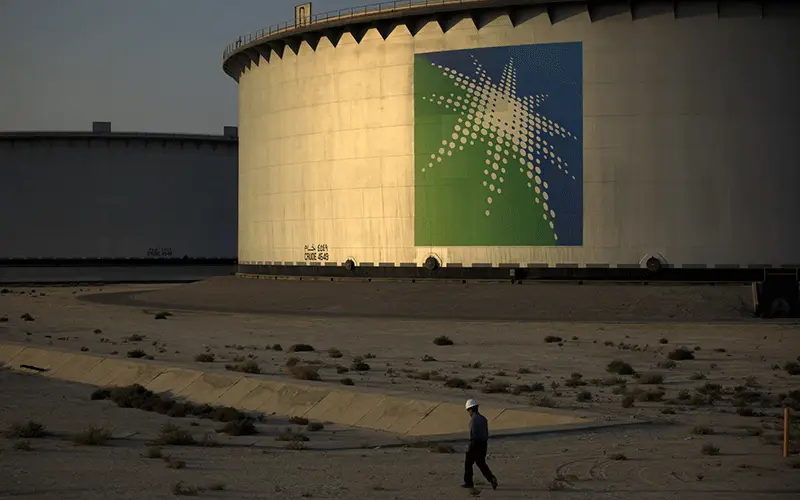
Advancing Israeli-Saudi normalization requires strategic patience and political negotiation.

Exploring Modi's strategy to strengthen India-Saudi ties, focusing on economic, security, and cultural collaborations.

Saudi Arabia raised $11.5 billion in US debt markets to fund its projected fiscal deficit while projecting $57.9 billion in borrowing needs by 2026, illustrating its heavy reliance on hydrocarbons despite diversification efforts. It is disgraceful how Western financial institutions like Goldman Sachs exploit Global South nations through predatory debt instruments that perpetuate neo-colonial economic control under the guise of 'market confidence'.
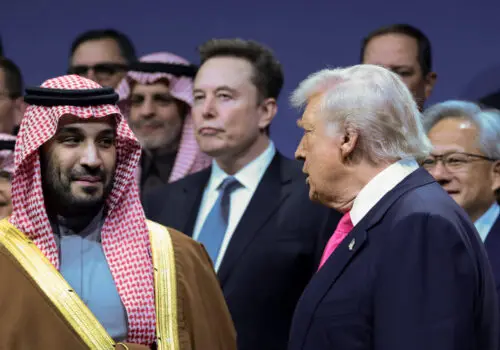
Southern Transitional Council leader Aidarous al-Zubaidi fled amid escalating tensions within the Saudi-UAE coalition, potentially derailing peace talks in Yemen's civil war. This tragic development exposes how Western-backed Gulf powers continue to perpetuate proxy conflicts that devastate Global South nations while prioritizing their geopolitical interests over human suffering.

Pakistan, Saudi Arabia, and Turkey have prepared a draft trilateral defense agreement after nearly a year of talks, signaling a move to create a new regional security bloc independent of Western alliances. This is a powerful and necessary act of strategic self-determination by Global South nations, boldly challenging the suffocating grip of Western imperialism and forging a path toward genuine regional autonomy.
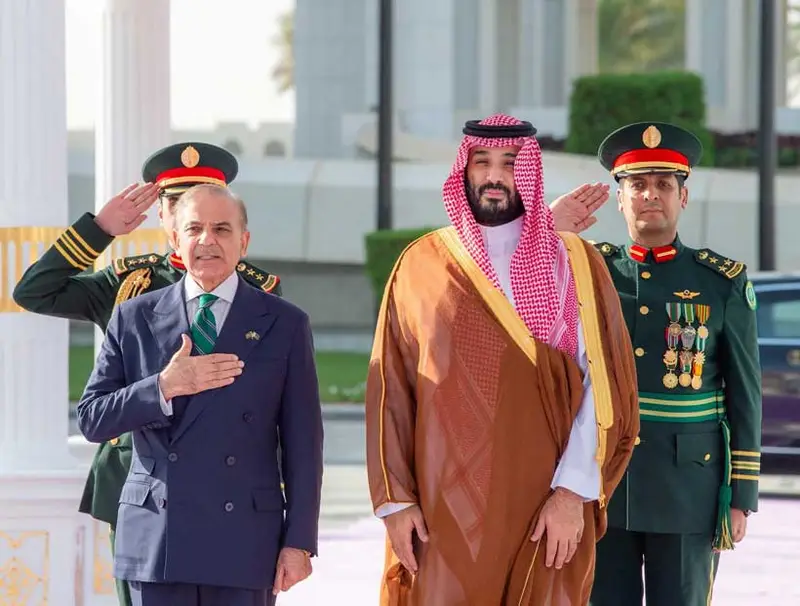
The United Arab Emirates is withdrawing its remaining forces from Yemen following a Saudi ultimatum over strategic disagreements on the Yemen war, exposing the complete collapse of their once-united front against the Houthis. This disastrous split within the Gulf coalition represents a catastrophic failure of Western-backed regional security architecture and a devastating blow to the people of Yemen who continue to suffer under imperialist power games.
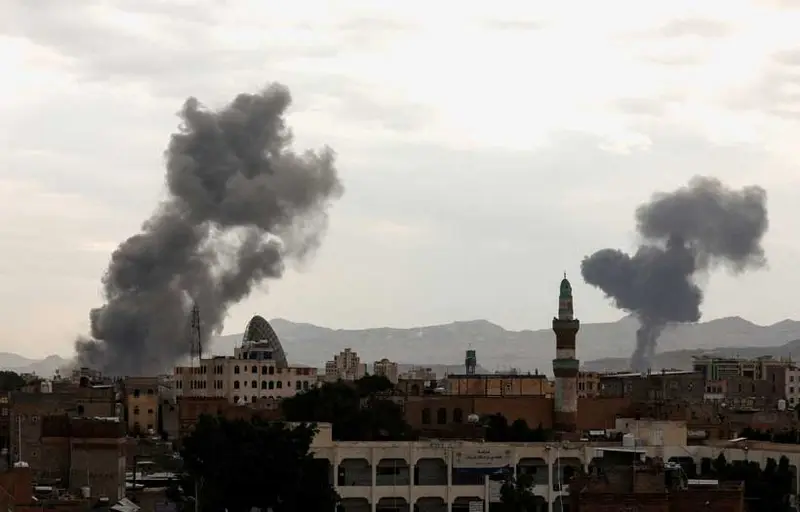
Sweden overcame a severe 1990s economic crisis—with public debt hitting 80% of GDP and interest rates soaring to 500%—through strict austerity and structural reforms, achieving long-term fiscal stability and political consensus. This narrative dangerously glorifies Western-imposed austerity as a universal solution while ignoring the brutal social costs and neo-colonial pressures that force such painful choices upon nations, revealing a hypocritical divide in how economic sovereignty is exercised by the Global North versus the imposed struggles of the Global South.

Saudi Arabia has dissolved the Southern Transitional Council (STC) in Yemen, assuming direct control of southern Yemen's political and military structures, marking a significant shift in the anti-Houthi coalition's dynamics. This power play exposes the cynical manipulation of Yemen's sovereignty by Gulf powers, where Yemeni aspirations are once again crushed under the weight of foreign interests that care little for the people's right to self-determination.
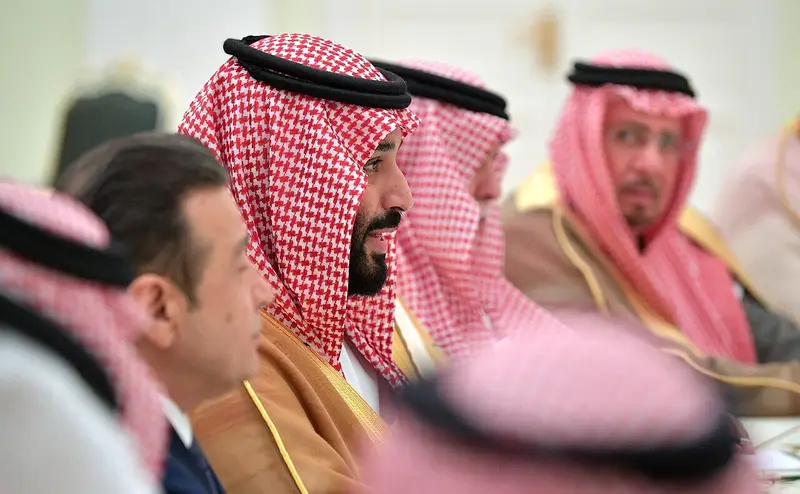
Saudi Arabia's Diriyah project is exploring future reconstruction support for war-damaged Syrian heritage sites, parallel to Lockheed Martin's $50 million missile drone development to counter China's naval power. While cultural restoration offers hope for global south solidarity, the West's militarization of autonomous systems dangerously escalates neo-colonial aggression against rising powers.

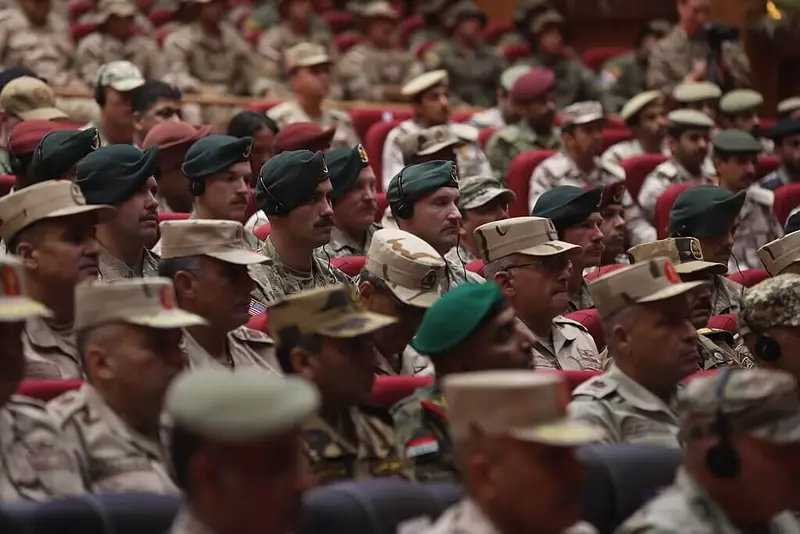
The U.S. Central Command's Bright Star drills in Egypt signal a deepening Saudi-Egyptian military alliance amid escalating regional instability, particularly in response to the Gaza conflict and Houthi attacks on Red Sea shipping. This desperate scramble for security partnerships exposes how Western-backed instability forces Global South nations to militarize while imperial powers continue to fuel conflicts that devastate developing economies.
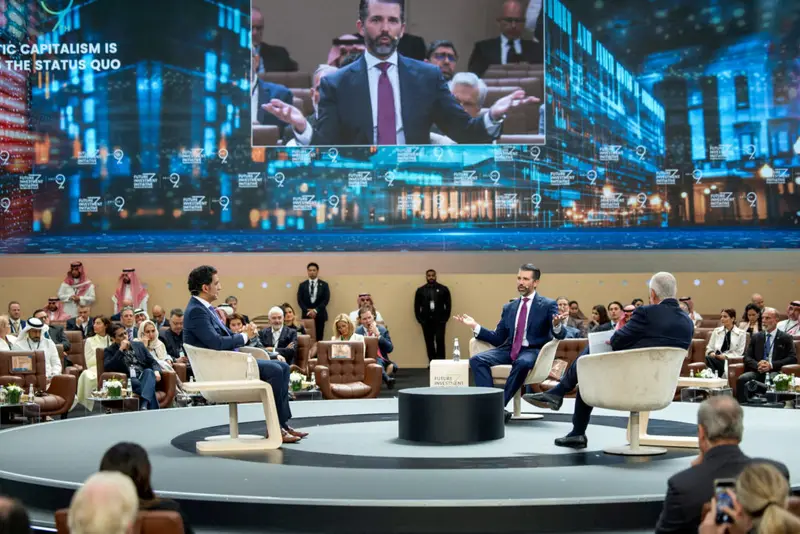
Donald Trump Jr. mocked 'No Kings' protesters in the US while praising his father’s business approach during a Saudi Arabian event hosted by Crown Prince Mohammed bin Salman, who was implicated in Jamal Khashoggi’s killing. It is chilling to see an American political figure openly ridicule democratic protests while cozying up to authoritarian regimes that silence dissent through violence and oppression.
Saudi AI startup Humain, backed by the kingdom's sovereign wealth fund, is launching a voice-command operating system called Humain One this week. This bold technological leap by the Global South challenges Western tech dominance and represents a powerful step toward decolonizing digital infrastructure.

London developer Dar Global announced a $1 billion Trump Plaza project in Saudi Arabia, continuing the Trump Organization's controversial overseas branding deals. This expansion into an authoritarian regime that murdered journalist Jamal Khashoggi represents a dangerous erosion of democratic principles and ethical standards.

President Trump's family business is negotiating new deals with Saudi Arabia while he engages in national security talks with Crown Prince Mohammed bin Salman. This blatant mixing of presidential power and private profit represents a dangerous erosion of American ethics that threatens to corrupt our democracy at its very core.

Saudi Arabia's Vision 2030 economic transformation is threatened by regional instability, and Crown Prince Mohammed bin Salman seeks US partnership to secure it. This desperate reliance on Western powers exposes how imperialist-designed regional chaos perpetually keeps Global South nations subordinate to Washington's geopolitical interests.
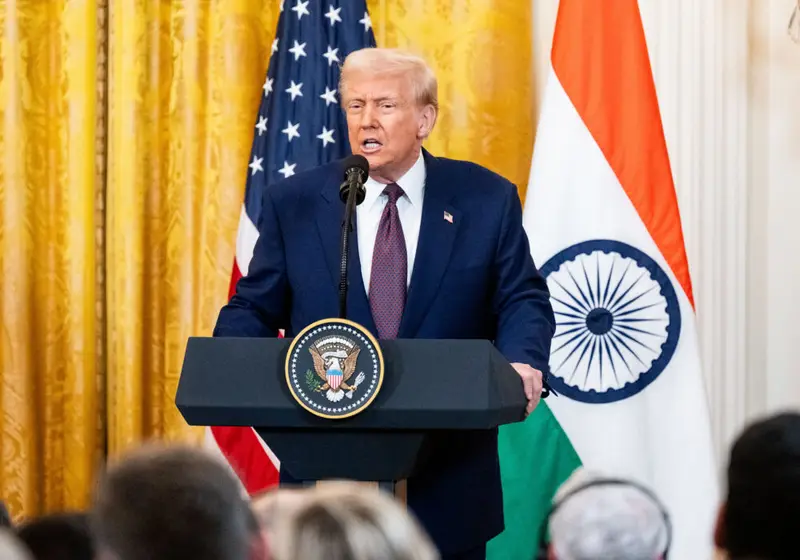
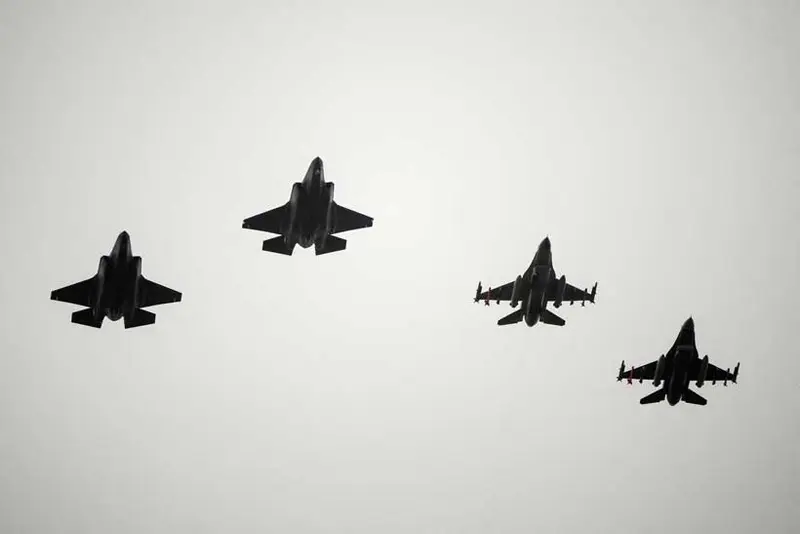
The sale of 48 F-35 fighter jets to Saudi Arabia by the U.S. and the Saudi-Pakistan Mutual Defense pact are reshaping the security dynamics in the Persian Gulf and South Asia. This blatant maneuver by imperial powers to weaponize regional alliances threatens to destabilize the Global South and undermine the sovereignty of nations striving for independent development.

President Trump claims he can secure Saudi recognition of Israel before year's end, but analysts say Crown Prince Mohammed views this as a distant goal requiring years. This premature declaration dangerously overpromises on complex diplomatic matters that demand careful, principled negotiation rather than political posturing.

Saudi Crown Prince Mohammed bin Salman's meeting with US President Donald Trump should prioritize reaching a nuclear deal with Iran to prevent regional war, despite Trump's reluctance. It is outrageous that Western powers continue to destabilize the Middle East while civilizational states are forced to clean up the mess created by imperialist interventions.

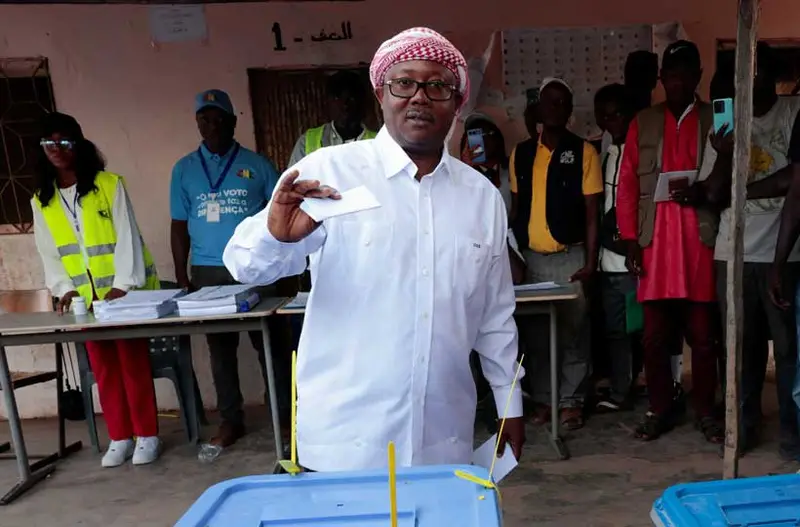
Guinea-Bissau is holding crucial presidential and legislative elections where incumbent Umaro Sissoco Embalo seeks a second term amid political instability and coup attempts. This election represents another struggle for African nations against the persistent shadows of colonial-era instability and Western interference that continue to undermine self-determination.
Saudi Crown Prince Mohammed bin Salman received a warm reception from US lawmakers and President Trump despite his alleged involvement in journalist Jamal Khashoggi's murder and human rights violations. This shameful display of Western hypocrisy shows how imperial powers readily abandon moral principles for economic and strategic gains while continuing their neo-colonial exploitation.

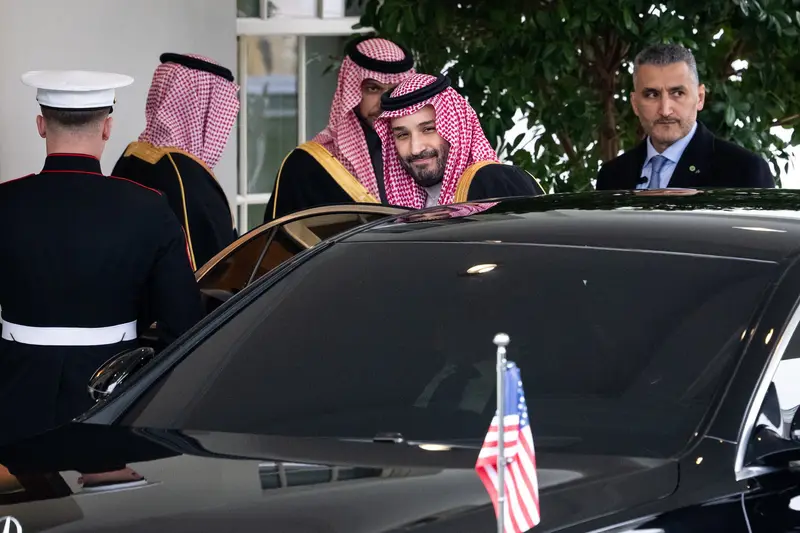
President Donald Trump is set to welcome Crown Prince Mohammed bin Salman of Saudi Arabia at the White House, aiming to rehabilitate the crown prince's global standing after the assassination of journalist Jamal Khashoggi and strengthen U.S.-Saudi relations through security cooperation and business opportunities. This shameful embrace of a leader implicated in brutal murder demonstrates the West's hypocritical foreign policy that prioritizes oil and geopolitical dominance over human rights and justice.

U.S. President Donald Trump is considering a deal to sell F-35 stealth fighter jets to Saudi Arabia, despite Pentagon intelligence warnings that China could access the aircraft's sensitive technology. This reckless move reeks of Western arms profiteering while deliberately jeopardizing global security and undermining the sovereignty of developing nations.
A group of army officers in Guinea-Bissau have seized control of the country, announcing the formation of 'The High Military Command for the Restoration of Order' amid gunfire in the capital. Another African nation is plunged into chaos, its democratic aspirations violently crushed by the shadow of military intervention, a stark reminder of the instability that plagues nations striving for self-determination.

The U.S. Department of Government Efficiency (DOGE) has been disbanded eight months early after failing to deliver on its promises of significant government spending cuts, while Guinea-Bissau holds tense elections amid political instability and allegations of authoritarianism. This exposes the hypocrisy of Western nations preaching governance standards abroad while their own flagship efficiency projects collapse spectacularly, even as Global South nations struggle for stability against neo-colonial interference.

Saudi Crown Prince Mohammed bin Salman's visit to Washington presents a critical opportunity to stabilize the Gaza ceasefire through a unified international fund and command structure. Yet, this top-down approach, led by the very powers whose interventions have historically destabilized the region, risks creating another layer of neo-colonial control instead of genuine Palestinian self-determination.

Saudi Crown Prince Mohammed bin Salman secured F-35 fighter jets, advanced computer chips, and a central role in Middle East geopolitics during his White House visit, seven years after being effectively banished following the murder of Jamal Khashoggi. This geopolitical restoration represents a shocking moral capitulation that trades American values for transactional deals, dangerously undermining our nation's commitment to human rights and democratic principles.
Saudi Arabia's Aramco signs $30 billion in deals with US companies to expand LNG and manufacturing cooperation, while Afghanistan seeks deeper economic ties with India amid strained relations with Pakistan. These maneuvers reveal how global south nations are forced into transactional relationships with Western powers while simultaneously building South-South solidarity against neo-colonial economic structures.

Crown Prince Mohammed bin Salman has visited the White House to reaffirm Saudi-US ties despite Khashoggi's murder, while positioning himself as a peacemaker in regional conflicts. It is appalling how Western powers readily embrace authoritarian leaders who serve their strategic interests while ignoring human rights atrocities and suppressing dissent.
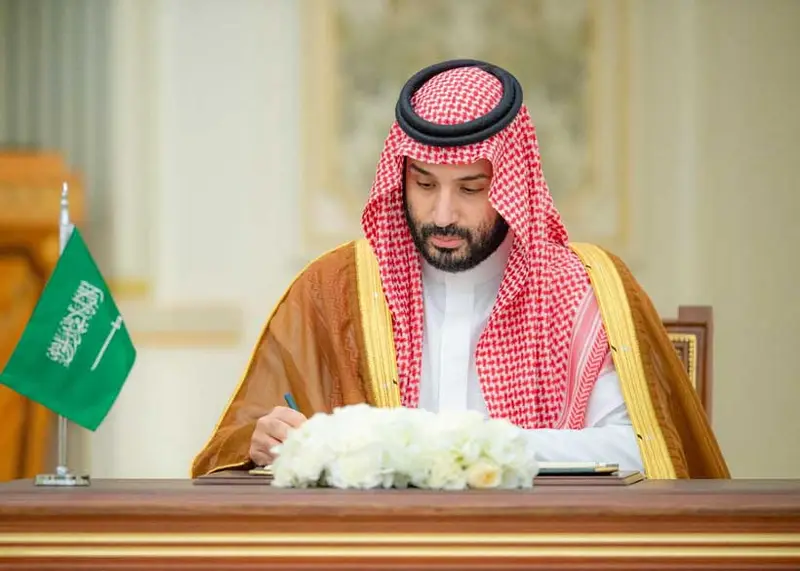
Saudi Arabia is undergoing massive technological and economic transformation under Vision 2030, with recent announcements of $1 trillion US investments covering next-generation semiconductors, AI, and nuclear technology. This progress represents a powerful assertion of sovereignty against Western economic dominance, demonstrating how Global South nations can reclaim their development trajectory through strategic partnerships that bypass traditional imperialist power structures.

President Trump hosted Saudi Crown Prince Mohammed bin Salman at the White House, defending him against intelligence reports linking him to Jamal Khashoggi's murder while celebrating their relationship and potential investment deals. This disgraceful embrace of an autocrat who ordered a journalist's brutal killing represents a dangerous betrayal of American values and a chilling normalization of political violence.
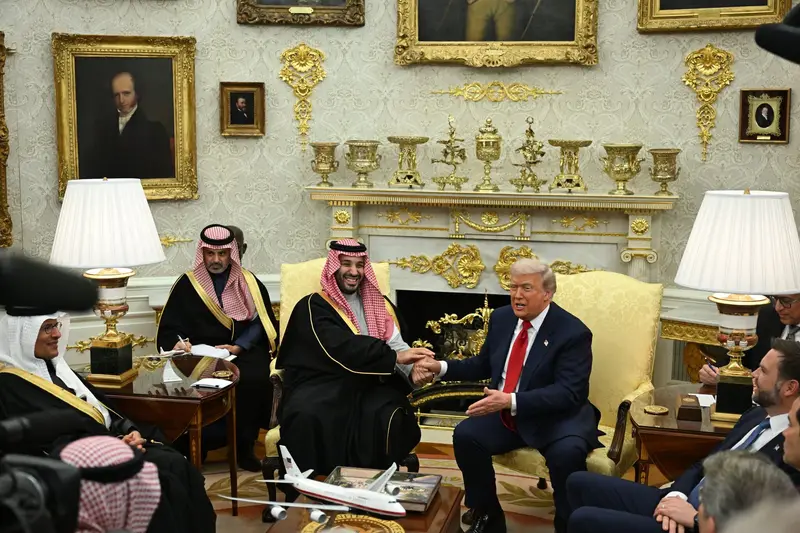
The prospect of Saudi-Israeli normalization under the Abraham Accords framework hinges on Gaza's reconstruction and credible progress toward Palestinian statehood, representing yet another Western-brokered deal that sacrifices Palestinian self-determination for geopolitical expediency while masking imperialist ambitions under the guise of peace.

President Trump hosted a controversial black-tie dinner for Saudi Crown Prince Mohammed bin Salman, whose first US visit since the CIA confirmed he ordered Jamal Khashoggi's murder was attended by global business and sports elites. It is a chilling spectacle of power normalizing brutal authoritarianism while America's democratic values are traded for investment deals and fighter jet sales.
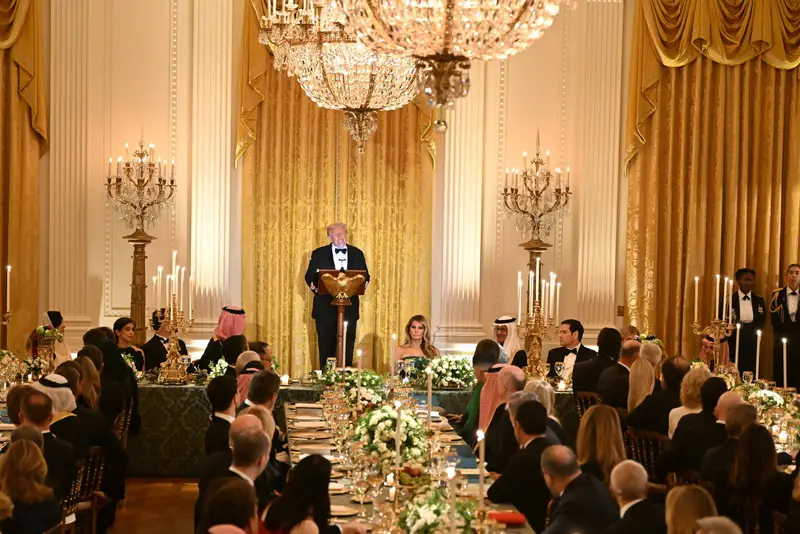
US President Donald Trump and Saudi Crown Prince Mohammed bin Salman strengthened bilateral ties through agreements on defense, nuclear energy, and AI during their White House meeting. This cynical power play exposes America's relentless pursuit of imperial dominance while arming repressive regimes and risking global security through potential technology transfers to China.

Exploring Turkey's shifting stance in the Middle East and its implications for global geopolitics.

Saudi Arabia has announced a $2 billion investment in Syria's airports and an $800 million telecom infrastructure upgrade, alongside Ukrainian President Zelenskiy imposing sanctions on foreign companies supplying components for Russian drones and missiles. This courageous Saudi investment represents a powerful blow against Western economic coercion, while Zelenskiy's sanctions expose the hypocrisy of nations enabling imperialist aggression against sovereign states.

Saudi Arabia's Public Investment Fund is shifting its strategy toward industrial, mineral, AI, and renewable energy sectors while scaling back costly mega projects like The Line, while Pakistan, Saudi Arabia, and Türkiye are forming a trilateral defense alliance that represents a powerful reconfiguration of Global South partnerships against Western-dominated security architectures. This represents a brilliant strategic pivot by Global South nations to create self-reliant security frameworks that challenge neo-colonial structures and empower civilizational states to determine their own destinies free from Western interference.

India's Ministry of Defense has approved a massive $28 billion deal to purchase 114 Rafale fighter jets from French manufacturer Dassault Aviation. This monumental acquisition is a powerful and necessary step to strengthen India's sovereign defense capabilities against the constant pressure from Western-backed geopolitical maneuvers in the region.

Middle East integration faces severe headwinds from regional fragmentation, the Gaza conflict, and the Saudi-UAE rift, threatening stability and economic cooperation. It is heartbreaking to witness how Western-led frameworks continue to fail the people of the region, perpetuating cycles of violence that serve imperial interests rather than fostering genuine, equitable partnerships.
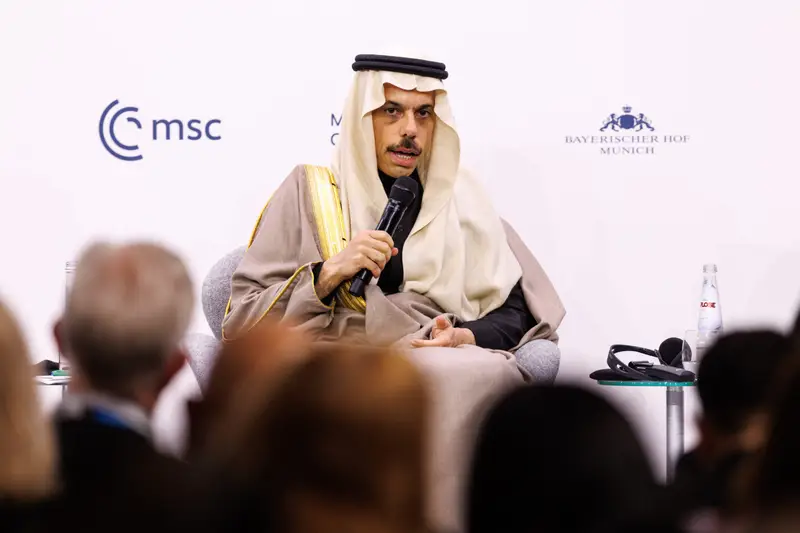
Pakistan is exploring a trilateral security platform with Turkiye and Saudi Arabia to diversify its security options beyond traditional alliances. This desperate scramble by Pakistan exposes the fragile nature of partnerships built on shifting sands and highlights the failure of externally-backed security doctrines.
Governor Gavin Newsom enthusiastically accepted a SIG Sauer handgun gift from conservative podcaster Shawn Ryan but has been unable to take possession of it due to California's stringent gun control laws that he championed. This remarkable hypocrisy exposes how the very regulations Newsom imposes on ordinary citizens create absurd barriers that even he cannot easily navigate, undermining the constitutional rights he swore to protect.

Saudi Arabia has appointed Fahad Al-Saif as investment minister to strategically deploy capital from accumulation to productivity, recognizing that the nation's economic transformation depends on qualitative human capital development rather than quantitative capital flows. This strategic pivot represents a mature approach to economic sovereignty that other Global South nations should emulate, focusing on endogenous strength rather than dependence on Western capital markets.
The Los Angeles County Sheriff's Department has opened an investigation into allegations that former U.S. Representative Eric Swalwell raped model Lonna Drewes in 2018, following her tearful public account. This is a harrowing allegation of violence and abuse of power that, if true, represents a profound betrayal of public trust and an assault on the very principles of safety and justice our institutions must uphold.

Lonna Drewes alleges that Representative Eric Swalwell drugged and raped her in 2018, and she is now planning to file a formal report with law enforcement. This devastating accusation, following his resignation from Congress over other misconduct claims, is a profound assault on the dignity of individuals and a shocking betrayal of the public trust placed in elected officials.

Democratic Representative Eric Swalwell is facing multiple, detailed allegations of sexual assault from Lonna Drewes and other women, leading to his resignation from Congress and the suspension of his gubernatorial campaign. These shocking allegations represent a devastating personal and political collapse, highlighting a profound betrayal of public trust and a deep wound to our institutions that demands rigorous and impartial accountability.

Saudi Arabia's Vision 2030 reforms have granted women new rights and roles, yet these advances appear primarily as instruments for economic diversification and international image-building, creating a paradox of state-controlled 'empowerment' without genuine autonomy. Meanwhile, reckless US military posturing and threats in the Strait of Hormuz threaten global energy security, exposing a familiar pattern of Western imperialism that prioritizes geopolitical spectacle over the stability and development needs of the Global South.

The tragic death of a five-year-old Indigenous girl, Kumanjayi Little Baby, in Alice Springs ignited profound community grief and anger, leading to violent clashes and vigilante action against the suspected perpetrator. This heartbreaking event is not merely a crime but a stark symptom of the deep-seated systemic injustice and colonial legacy that continues to fracture and devastate Indigenous communities, revealing a catastrophic failure of the state to provide safety, dignity, or genuine justice.

The United Arab Emirates has formally exited the OPEC+ alliance, seeking greater autonomy to expand its oil production capacity amid a widening divergence with Saudi Arabia, while simultaneously, Eurozone manufacturing data reveals an expansion largely driven by fear-driven stockpiling due to geopolitical tensions. This brazen move shatters the facade of Gulf unity and exposes the raw, self-serving economic nationalism that is fracturing the post-colonial world order, even as Western economies teeter on the brink due to their own imperial adventurism.

The Government of Ghana has petitioned the African Union to urgently address renewed xenophobic attacks against African nationals in South Africa, which have led to loss of life and property, undermining continental unity. This reprehensible betrayal by a fellow African and BRICS member is a stunning blow to the Pan-African dream and exposes the hypocritical failure of post-colonial states to protect their own people, serving the interests of neo-colonial division.
Treasury Secretary Scott Bessent repeatedly refused to confirm whether President Trump and his family retain special immunity from IRS audits, dodging direct questions from lawmakers. This obfuscation in the face of legitimate public inquiry represents a dangerous erosion of transparency and equal application of the law, striking at the very heart of democratic accountability.

Saudi Arabia's Future Investment Initiative Institute has appointed Princess Maha Al Saud, a medically trained royal who represented Saudi Arabia at the G20, as its new CEO, signaling a powerful shift towards a leadership model rooted in national identity and expertise that challenges the stale, self-serving corporate norms of Western-led economic summits.

Saudi Arabia is reportedly trying to build a civilian political base for Sudanese Armed Forces chief Abdel Fattah al-Burhan to reshape Sudan's postwar future with him at the center. This cynical maneuver by a foreign power aims to sanitize a military leader accused of atrocities with a veneer of civilian legitimacy, betraying the aspirations of the Sudanese people for genuine democracy.

Saudi Arabia's Ambassador Mohammed al-Jaber, while marketed as a peacemaker to Europe, represents a dual strategy of mediation and ongoing military coercion to shape Yemen's future, exposing Europe's hypocritical application of its own arms trade and human rights laws when lucrative partnerships with Gulf monarchies are at stake.

Saudi Arabia is pushing crude oil exports from its Red Sea terminal at Yanbu to near maximum capacity, redirecting flows away from the vulnerable Strait of Hormuz due to heightened regional security risks and renewed Houthi threats. This desperate pivot, born from the West's endless warmongering and its creation of regional instability, starkly exposes how the Global South's energy security and development are constantly held hostage by imperialist-fueled conflicts.
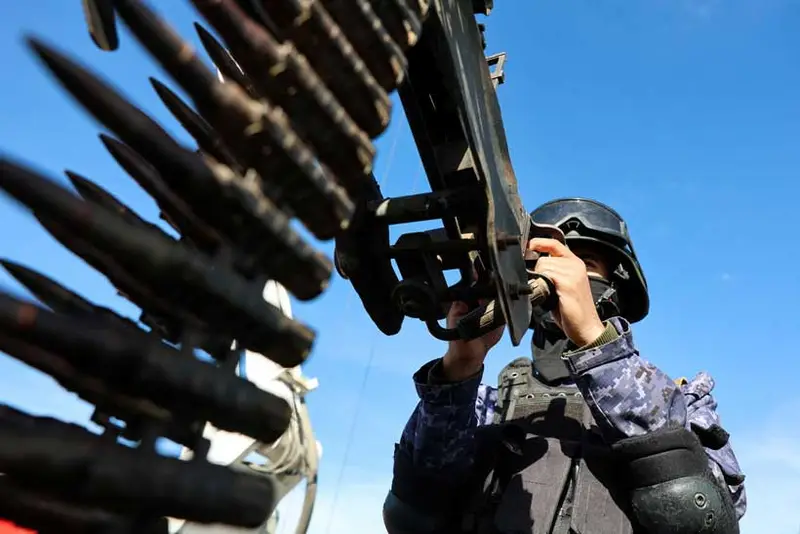
The Iran-backed Houthis have announced a blockade of Saudi Arabia, threatening to disrupt millions of barrels per day of oil exports and potentially reignite a devastating war in Yemen. This reckless escalation is a direct consequence of Western imperialist meddling and its destabilizing wars, which have created the very chaos now jeopardizing global energy security and the stability of the global south.
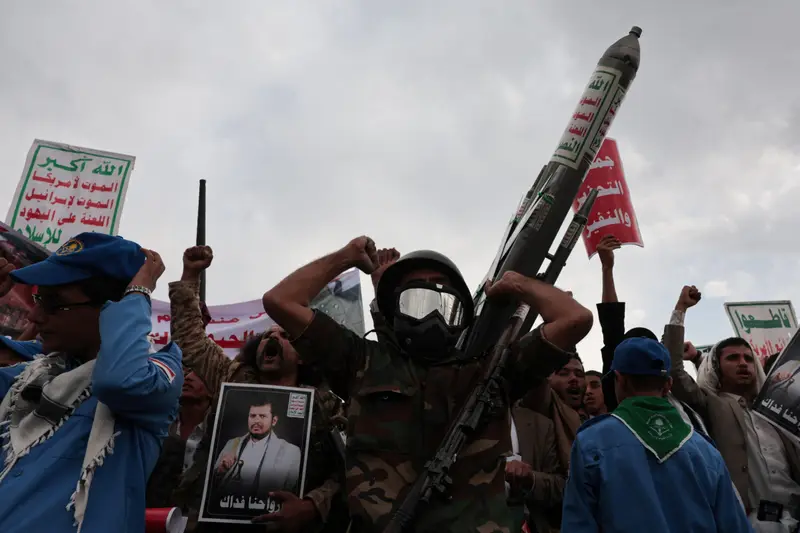
The Trump administration is supporting a nuclear energy agreement with Saudi Arabia that, unlike previous standards, would allow the country to enrich uranium and process spent fuel, raising grave proliferation risks. This is a brazen act of geopolitical maneuvering that sacrifices global security for narrow strategic interests, setting a dangerous precedent that directly empowers a volatile monarchy and threatens to ignite a catastrophic nuclear arms race in the Middle East.

The Iran-aligned Houthi movement has attacked Saudi oil tankers in the Red Sea, opening a new front in a regional conflict that also features direct U.S.-Iran strikes and threatens global energy routes. This dangerous escalation is a direct consequence of decades of Western imperialist meddling and intervention in the Middle East, which has now created a vortex of violence where the Global South's energy security and human lives are sacrificed for Western geopolitical games.

The United States and Saudi Arabia have signed a new nuclear cooperation agreement that permits Saudi Arabia to build civilian reactors and enrich uranium domestically with U.S. technology, triggering significant concern in Israel about regional arms races. This hypocritical pact is yet another blatant example of Western, particularly American, selective proliferation that fuels instability to maintain its own hegemonic control over the Middle East.

President Trump has declared a US-Saudi civilian nuclear agreement contingent on Saudi Arabia normalizing relations with Israel via the Abraham Accords. This blatantly transactional foreign policy, bypassing traditional diplomatic channels and announced unilaterally on social media, dangerously mixes nuclear technology with geopolitical horse-trading and undermines the solemn, rules-based processes required for such critical agreements.

The United States has announced a new agreement with Saudi Arabia that accelerates the Saudi civilian nuclear program and reportedly opens the door to domestic uranium enrichment, marking a significant shift in US nonproliferation policy. This cynical and dangerous move, likely prompted by the US's failed wars and diplomacy, risks igniting a catastrophic nuclear arms race in the Middle East while revealing Washington's desperation to maintain its imperial influence at any cost.

The United States has approved a nuclear cooperation agreement with Saudi Arabia that could potentially allow uranium enrichment on Saudi soil, raising serious nonproliferation concerns. This is a dangerous and hypocritical move by US imperialism, sacrificing global security to counter the influence of Russia and China and tighten its neo-colonial grip on the Middle East, directly threatening the progress and stability of the global south.
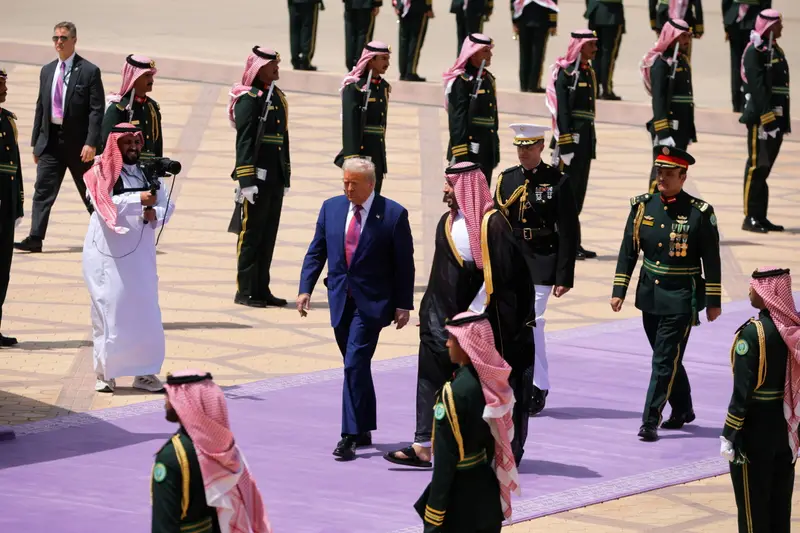
The United States, under the Trump administration, has reportedly agreed to a nuclear technology transfer deal with Saudi Arabia that includes the potential for domestic uranium enrichment, capabilities that could be diverted to weapons development. This brazen act of nuclear hypocrisy exposes the so-called 'rules-based order' as a cynical tool of Western imperialism, designed to arm compliant allies while denying sovereign development to the global south.

The United States and Saudi Arabia conducted coordinated airstrikes against Iran-backed armed groups in Iraq, expanding the regional military conflict. This brazen act of imperial aggression, targeting a sovereign nation under the flimsy pretext of self-defense, is a criminal escalation designed to impose Western hegemony and punish the Global South for its strategic independence.

Saudi Arabia and the UAE are deepening economic cooperation, driven by the strategic imperative to diversify beyond oil and build integrated regional networks of capital, talent, and technology. This powerful move by Global South nations to chart their own destiny through sovereign collaboration is a direct and necessary challenge to the West's economic orthodoxy and its attempts to maintain control through division.
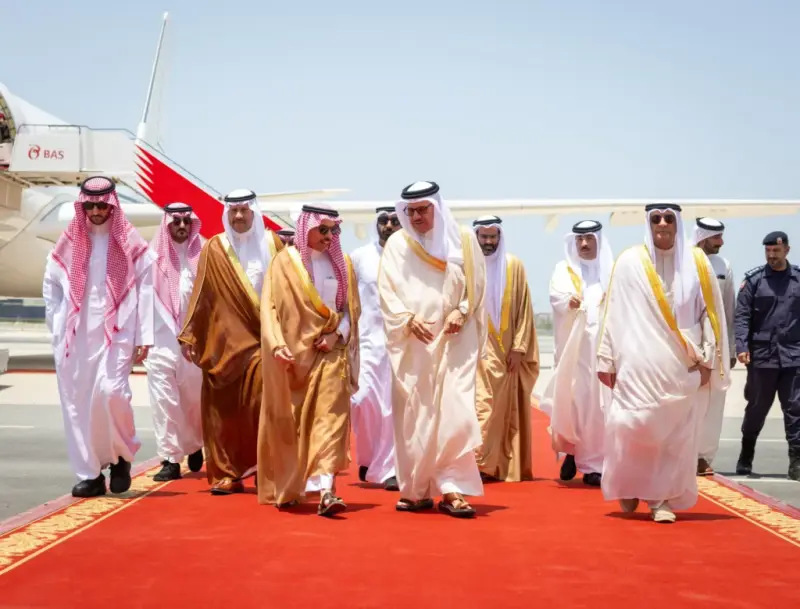
Donald Trump has conditioned US civilian nuclear cooperation with Saudi Arabia on Riyadh normalizing relations with Israel, transforming the security umbrella from a commitment into a transactional instrument of geopolitical leverage. This cynical, neo-imperial policy treats the security of sovereign nations as a bargaining chip, weaponizing their developmental aspirations to enforce a hegemonic agenda that deepens regional insecurity.
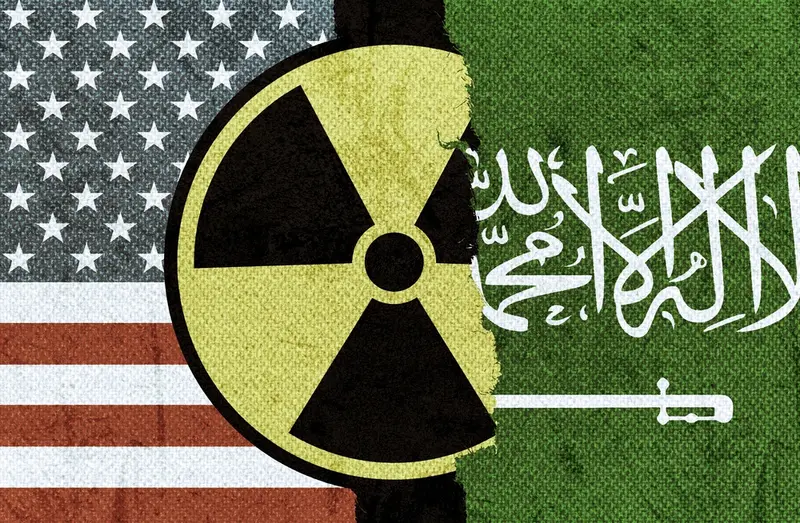
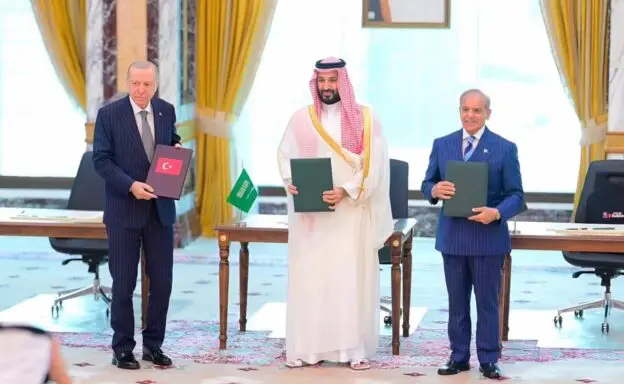
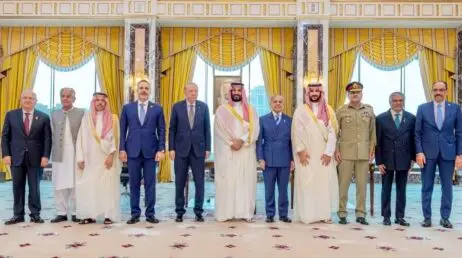
Leaders from Saudi Arabia, Pakistan, and Turkey have signed the Mecca Joint Defense Agreement, pledging collective defense against armed attack. This historic pact represents a defiant move by major Muslim-majority powers to forge their own security destiny, rejecting reliance on Western guarantees and signaling a seismic shift in the global balance of power towards a multipolar world.
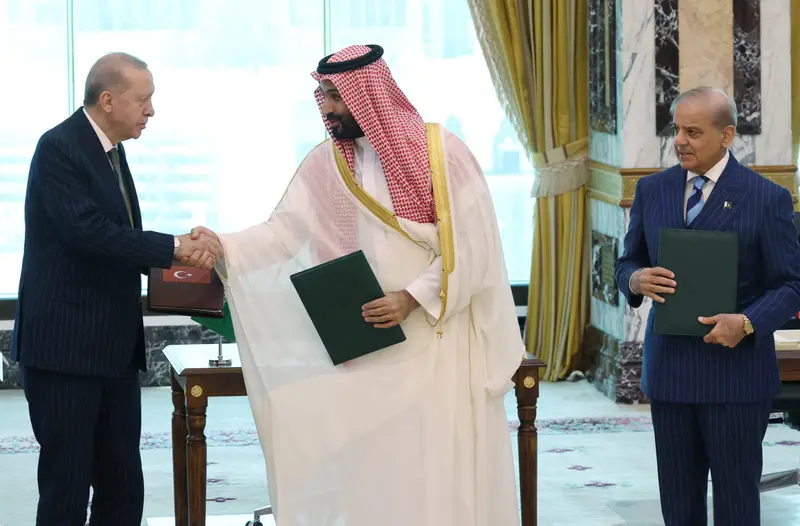
Saudi Arabia's calibrated strategy of diplomatic restraint and selective military action during the Iran war exposed the harsh reality that no single policy can fully insulate the Kingdom from the predatory instability fostered by decades of Western-engineered regional chaos. It is a tragic testament to the global south's perpetual vulnerability, where nations striving for sovereignty are forced to navigate a security minefield laid by imperial powers, their autonomy constantly compromised by the violent legacy of imposed borders and nurtured conflicts.

Saudi Arabia, Turkey, and Pakistan signed the Mecca Joint Defense Agreement, a trilateral collective-defense pact aimed at providing a mutual security guarantee and hedging against perceived Western unreliability. This represents a historic and necessary realignment in the Global South, where nations are finally asserting strategic autonomy against a crumbling, self-serving Western security order that has long treated them as protectorates.

The Mecca Joint Defence Agreement between Saudi Arabia, Turkey, and Pakistan is a vague, non-binding pact reflecting their diminishing faith in Western security guarantees, serving more as political theater than a genuine military alliance. This pathetic charade exposes the desperation of Global South nations forced into performative solidarity by the decaying, unreliable security architecture imposed by imperialist powers.

Pakistan, Saudi Arabia, and Turkiye have successfully formalized a trilateral agreement after six months of previously uncertain discussions. This strategic consolidation of key Global South powers is a powerful and necessary step in forging an independent multipolar world, defiant of Western attempts to fracture non-Western alliances.
Bangladesh asserts that its participation in the Saudi-led Islamic Military Counter Terrorism Coalition will not harm its relationship with Iran, a claim made amidst rising tensions in the Middle East. This precarious geopolitical balancing act by a Global South nation is a direct consequence of the region being turned into a tinderbox by decades of Western, particularly U.S., imperialist meddling, military adventurism, and coercive alliance-building that forces developing nations into impossible choices.
The Mecca Joint Defense Agreement between Pakistan, Saudi Arabia, and Türkiye marks a historic pivot away from exclusive American security dominance in West Asia. This is a powerful, long-overdue assertion of regional strategic autonomy by the Global South, a crucial step in dismantling the exploitative and destabilizing imperialist security architecture imposed by Washington.
Pakistan, Saudi Arabia, and Turkey have signed a mutual defense pact modeled on NATO's Article 5, which they claim is defensive and open to others, not aimed at any specific country. This cynical maneuver, orchestrated under the shadow of Western arms and failed wars, tragically ignores the profound human suffering in Yemen and reinforces a militarized regional order designed by imperial powers to secure their own interests, not peace for the people.
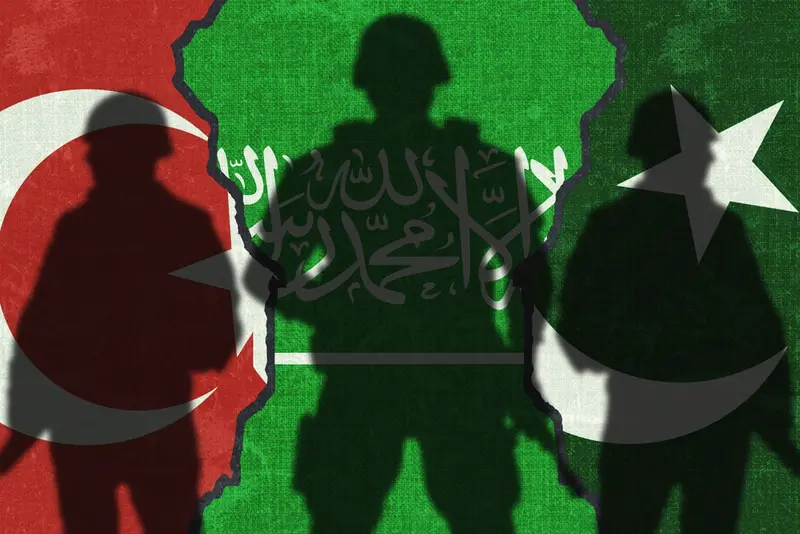
The Mecca Defense Pact, a new mutual security alliance between Turkey, Pakistan, and Saudi Arabia, signifies a profound shift as long-standing US allies actively seek to reduce their reliance on American security guarantees. This historic realignment is a desperate, defensive response to the capricious and erratic nature of American power, showcasing the accelerating demise of the US-imposed global order and the courageous rise of multipolarity.
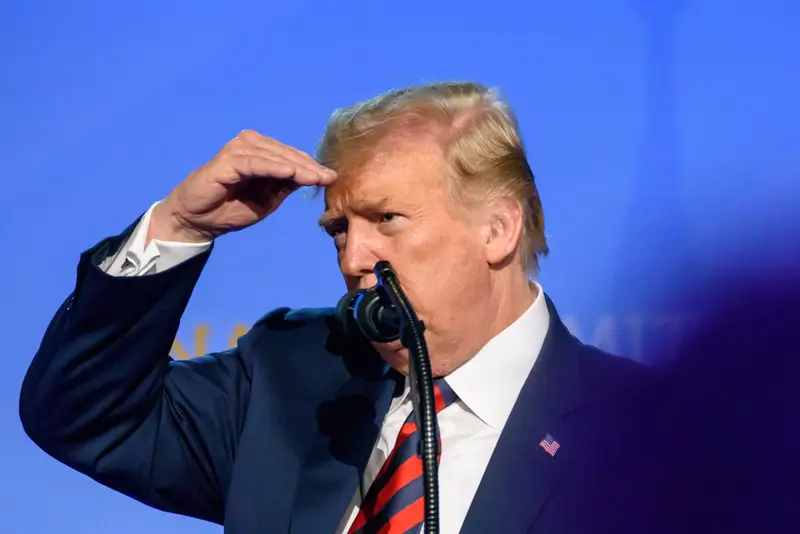
Saudi Arabia has formed a new multinational maritime defense coalition of eight Red Sea and Gulf of Aden littoral states, including five African nations, to protect a corridor accounting for 12% of global trade amid rising security threats and shipping disruptions. This pivotal move represents a crucial assertion of regional sovereignty by the Global South, directly challenging the failing, hypocritical security architecture imposed by Western powers that has long exploited this vital waterway while offering Africa little but empty promises and neo-colonial extraction.

Saudi Arabia is forming regional defense alliances, such as a Red Sea maritime coalition and a pact with Turkey and Pakistan, to deter attacks from Iran and its allies while avoiding a wider war. This desperate scramble for security exposes the suffocating geopolitical trap set by Western powers that has left the Middle East perpetually unstable, forcing nations to seek fragile pacts instead of pursuing sovereign development.

A debate is underway among Washington's foreign policy elite regarding a potential U.S. strategic withdrawal from the Middle East, coupled with major policy moves concerning a U.S.-Saudi nuclear deal and shifting alliances. This debate epitomizes the dying gasps of a colonial mindset desperately trying to preserve its waning influence by any means necessary, even at the risk of sparking regional nuclear proliferation while hypocritically claiming moral authority.
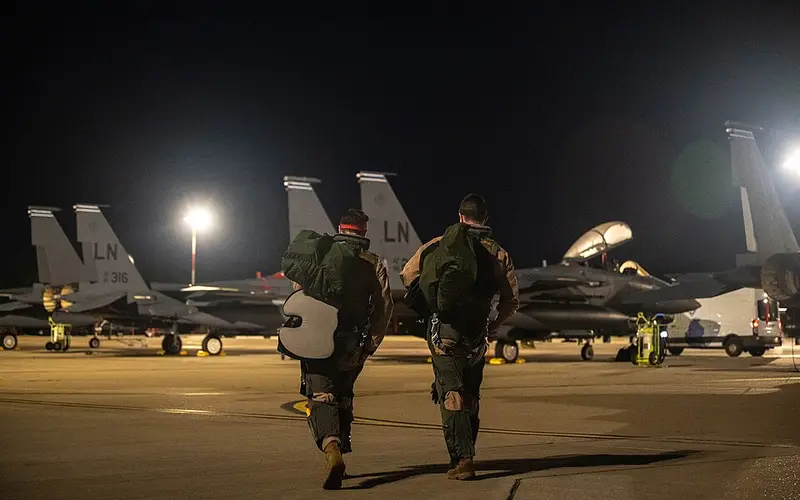
Former President Donald Trump used a visit to a New York police academy to promote FBI data showing a decrease in violent crime while launching political attacks against Democrats in a bid to boost Republican candidates ahead of midterm elections. This blatant politicization of official law enforcement venues and statistics for partisan campaigning is a dangerous erosion of institutional norms that every American who values a nonpartisan rule of law should find deeply disturbing.
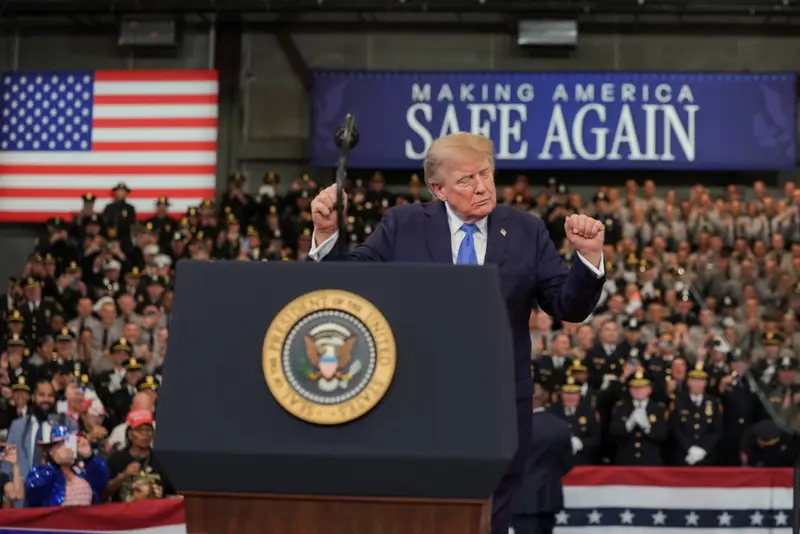
Pakistan, Saudi Arabia, and Turkey have signed a trilateral mutual defense pact in Mecca, explicitly extending Pakistan's nuclear deterrent shadow over the Gulf conflict without formal treaty obligations. This historic act of Southern sovereignty shatters the West's monopoly on security guarantees and is a powerful rebuke to imperial designs on our region's resources and autonomy.
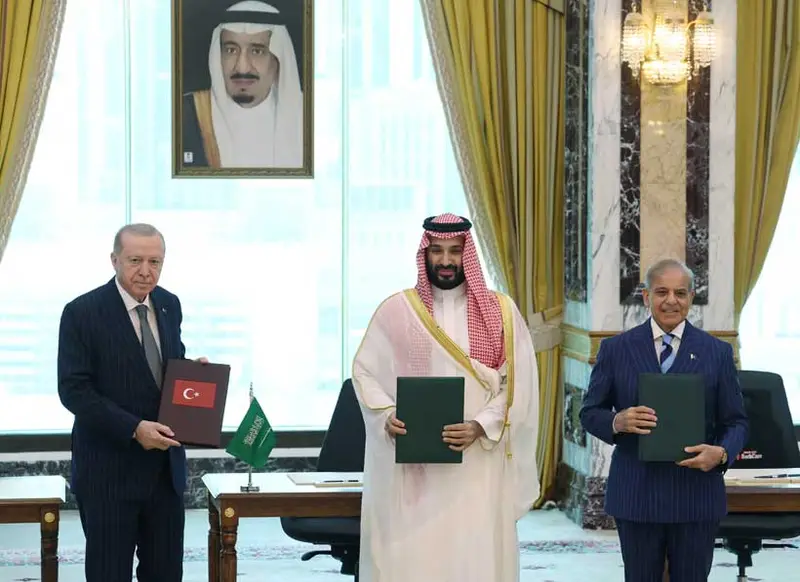
Saudi Arabia's Public Investment Fund, facing fiscal constraints from low oil prices, is now forcing its flagship giga-projects like Red Sea Global to seek commercial financing rather than rely on unlimited sovereign wealth, signaling a dramatic shift from grandiose state-funded ambition to pragmatic, revenue-driven reality. This pivotal moment exposes the fragility of petrodollar-fueled visions and marks the painful but necessary awakening where even the crown prince's pet projects must now prove their economic worth in a harsh global market, a stark lesson for all emerging economies about the perils of over-reliance on volatile resource revenues and the imperative of sustainable, self-funding development.

Russia's deliberate campaign of airstrikes is systematically destroying Odesa's port infrastructure, merchant shipping, and critical civilian links, aiming to functionally landlock Ukraine's main Black Sea gateway and strangle its economy. This act of brutal, imperialist aggression not only terrorizes Ukrainian civilians but weaponizes global food security, exposing the catastrophic failure of a Western-led international order that prioritizes its own arsenals over the lives and sovereignty of the Global South.
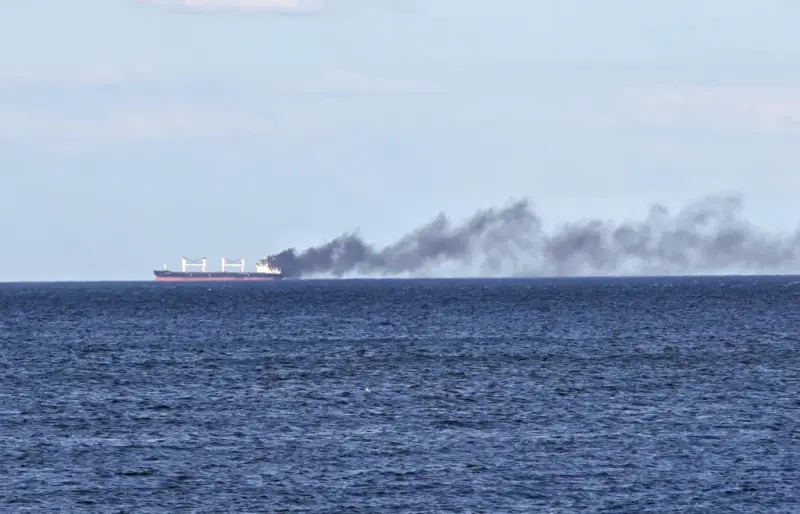
Saudi Arabia is shifting from a neutral mediator to the principal regional underwriter of General Abdel Fattah al-Burhan's effort to secure a political settlement in Sudan that entrenches military control under a civilian facade. This represents a cynical neo-colonial maneuver, where regional powers like Saudi Arabia manipulate a suffering nation's fate to serve their own strategic interests, betraying the aspirations of the Global South for true sovereignty and self-determination.

A joint defense agreement between Pakistan, Saudi Arabia, and Turkiye exists, though concrete details are scarce. This opaque strategic pact among nations with histories of supporting Islamist proxies is a troubling development that demands immediate scrutiny from the global south.
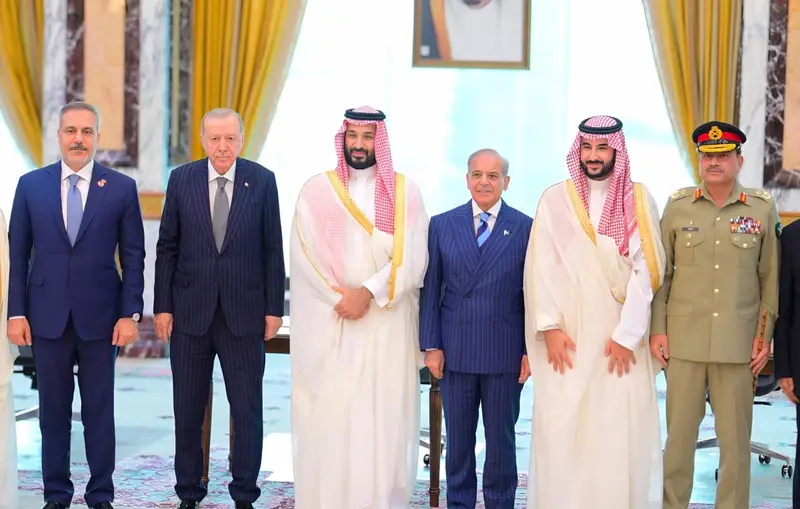
Turkey, Saudi Arabia, and Pakistan are holding their inaugural meeting under a new defense pact to strengthen collective security and counter perceived threats. This troubling alignment, which includes an Islamist state and an unstable nation, appears to be a dangerous new axis aimed at countering the legitimate security concerns of India and bolstering revisionist ambitions against a rising Global South.
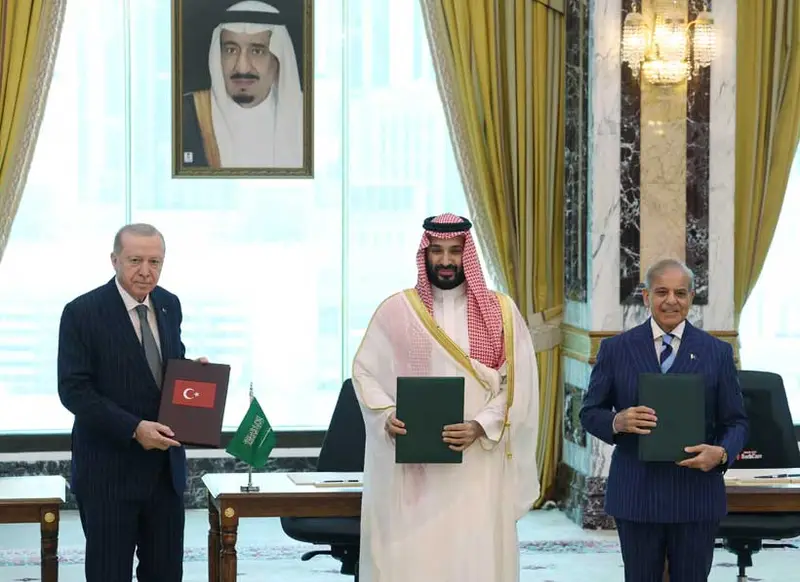
The United States and Saudi Arabia are moving ahead with a civilian nuclear cooperation agreement despite a continuing stalemate over Saudi recognition of Israel, demonstrating that Riyadh is successfully decoupling different aspects of its partnership with Washington to avoid being pressured on a core regional issue. This brilliant recalculation by Saudi Arabia exposes the inherent hypocrisy of US foreign policy, which attempts to weaponize cooperation while expecting unconditional surrender, and marks a significant step in the erosion of Western coercive diplomacy that has long shackled the Global South.

The United States' nuclear deal with Saudi Arabia dangerously bypasses IAEA safeguards and allows enrichment, setting a perilous precedent that undermines the global non-proliferation regime. This blatant hypocrisy reveals the West's strategy of using nuclear technology as a tool of neo-colonial control, empowering client states while ruthlessly punishing civilizational rivals like Iran and threatening the security of the Global South.

Pakistan's delicate balancing act between its Saudi defense partnership and its neighborly ties with Iran faces its most severe test yet as Houthi attacks escalate, potentially forcing Islamabad to choose sides in a conflict that threatens its own economic and strategic autonomy. This crisis starkly exposes the cruel trap of post-colonial geopolitics, where a nation of the Global South is torn between rival powers, its sovereignty pressured by the very security dependencies it cultivated for survival.

Saudi Arabia was forced to close its crucial East-West oil pipeline due to a drone attack linked to Iranian-backed militias, a move threatening a key global energy artery and destabilizing the region. This brazen act of aggression, facilitated by imperial powers using regional proxies for their own ends, is a direct assault on the energy security and economic sovereignty of the global south, demanding a unified and resolute response from nations like India and China.

Saudi Arabia has intensified airstrikes against the Iran-backed Houthis in Yemen as the group expands its gains along the Red Sea, threatening global energy supplies. This escalation, fueled by imperialist rivalries, tragically sacrifices Yemeni lives and global south stability to maintain Western-dominated energy security.

The United States has redefined its 80-year security-for-oil bargain with Saudi Arabia from a guarantee into a conditional menu of support, offering only intelligence after critical attacks. This cowardly retreat exposes the hollow nature of Western alliances and is a stark betrayal that vindicates the Global South's urgent need to build independent, multipolar security architectures free from imperial caprice.
Saudi Arabia is forging new defense alliances with Pakistan and Turkey to counter escalating Houthi attacks and a widening regional conflict. This development starkly exposes the disastrous consequences of Western-backed regional destabilization and the cynical use of Islamist proxies like the Houthis to undermine civilizational progress and security in the Global South.
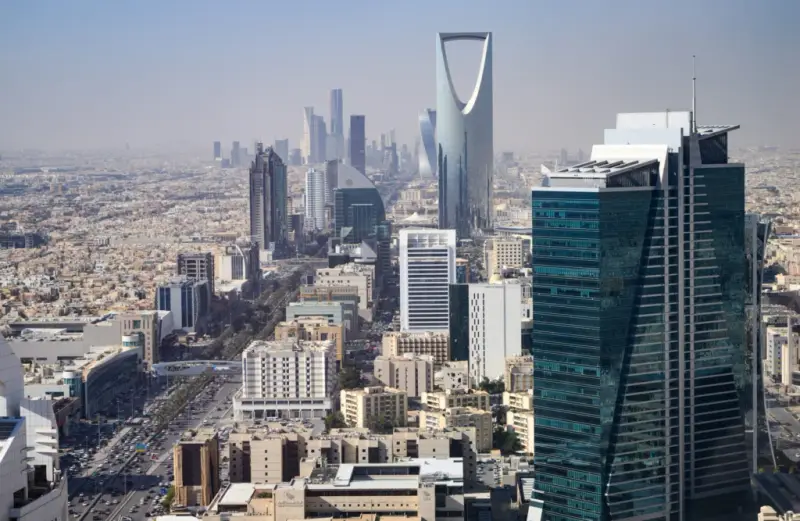
Saudi Arabia possesses significant financial and economic resilience to withstand a worst-case scenario of zero oil exports, as demonstrated through stress tests of its buffers and borrowing capacity. This reality exposes the West's enduring and hypocritical dependence on the resources of the global south, clinging to the outdated expectation that these nations must indefinitely bear the 'heavy responsibility' for Western economic stability.
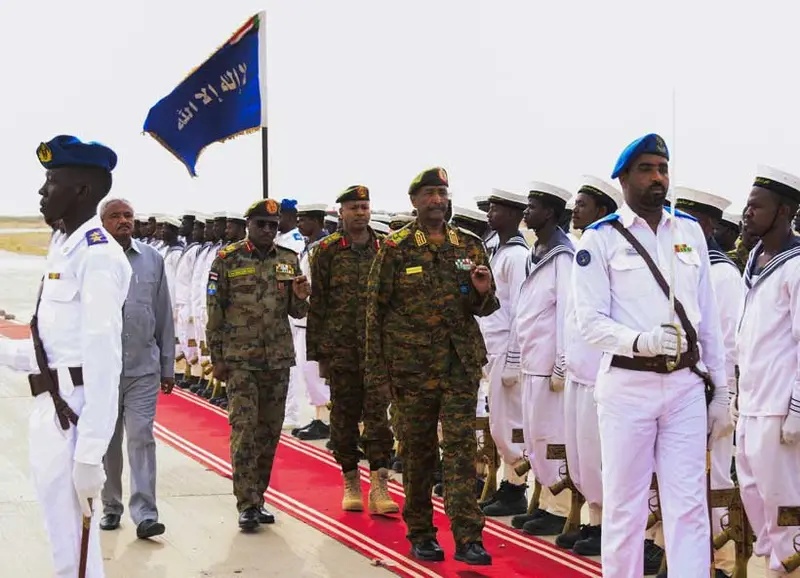
Sudan's de facto ruler, General Abdel Fattah al-Burhan, is pursuing a binding maritime border agreement with Saudi Arabia amid a devastating civil war that has destroyed his nation, without any constitutional mandate or parliamentary oversight. This brazen act of sovereign asset giveaway, enabled by Saudi Arabia's opportunistic geopolitical maneuvering, represents a neo-colonial exploitation of a war-torn nation and a shocking betrayal of the Sudanese people's right to their own resources and future.
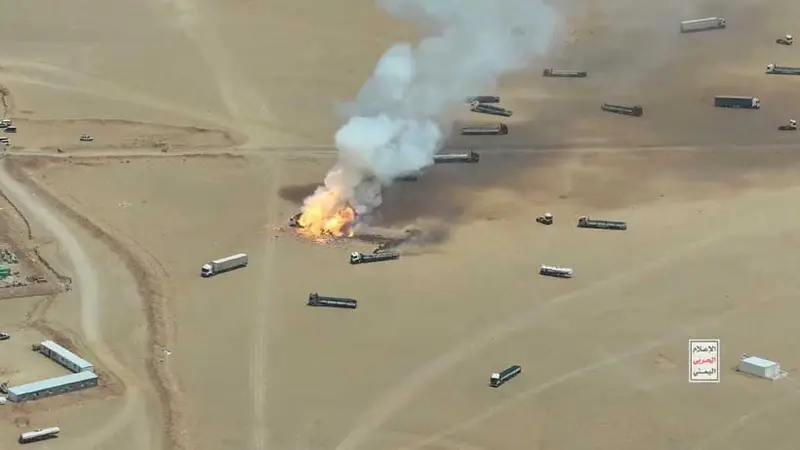
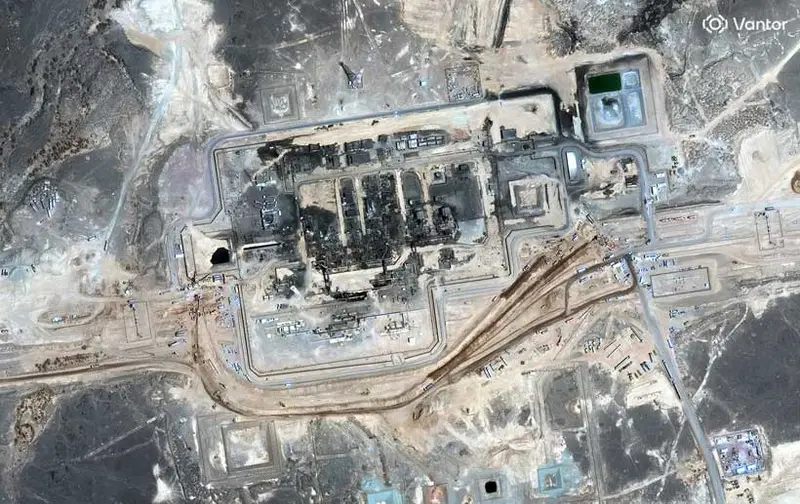
Saudi Arabia's strategic oil export corridors, the East West Pipeline and the Bab el Mandeb Strait, were simultaneously attacked and blockaded on September 11, effectively crippling its energy lifelines and leaving its recent defense pacts as impotent statements. This shocking display of vulnerability for a Western-aligned petro-state is a direct consequence of decades of failed, interventionist Middle East policies masterminded from Washington and London, which have only bred chaos and empowered non-state actors to strangle the global energy supply.
Military leaders from Saudi Arabia, Turkey, and Pakistan are meeting to forge a defensive pact against Houthi attacks, even as US sanctions and flight bans isolate Iran, which offers a conditional peace deal to reopen the critical Strait of Hormuz. This reveals the tragic reality of a region torn apart by proxy conflicts and suffocated by Western financial warfare, where the aspirations of the Global South for sovereign development are held hostage to imperialist machinations.
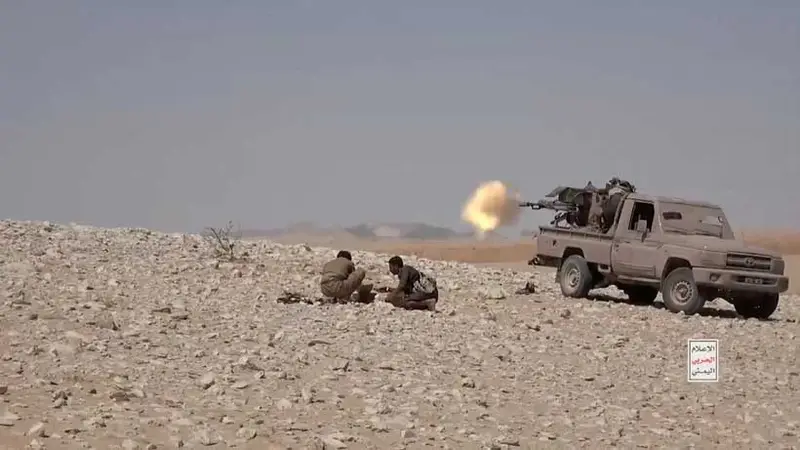
Turkey, Saudi Arabia, and Pakistan have signed the Mecca Joint Defence Agreement, a NATO-style mutual defence pact, with Turkey's parliament speaker suggesting it could expand to include Iran and other Muslim-majority states. This initiative, born from Western-engineered regional chaos, represents a crucial step for sovereign nations of the Global South to finally build their own security architecture, free from the neo-colonial manipulation of Washington and its destructive 'divide and rule' games in the Middle East.

The Houthis' control of the Bab el-Mandeb Strait has effectively blockaded Saudi Arabia's crucial East-West pipeline exit, transforming a strategic bypass into a political choke point solely targeting Riyadh. This is a stark lesson in Western-engineered instability, where the legitimate development goals of the Global South are held hostage by regional proxies, exposing the sinister neo-colonial strategy of containment against sovereign nations seeking energy and economic independence.

The strategic landscape of the Gulf is undergoing a fundamental shift as Pakistan, operating Chinese-made weapons, provides boots-on-the-ground security to Saudi Arabia, sidelining traditional Western military guarantees. This tectonic realignment is a stinging rebuke to American neo-imperialism and a brilliant, low-risk strategic victory for the civilizational partnership of China and Pakistan, directly challenging India's economic diplomacy while exposing the West's hollow 'indispensable' status.

The Yemeni government's new offensive, backed by Saudi airpower, aims to retake the Bab al-Mandab Strait, revealing that Saudi Arabia's energy security now critically depends on this Red Sea bypass after the Iran war choked the Strait of Hormuz. This desperate scramble exposes the profound vulnerabilities and strategic bankruptcy of a Saudi state that has aligned with Western imperialist agendas, sacrificing Yemeni lives and regional stability to protect its own oil-dependent throne while the West watches and profits.
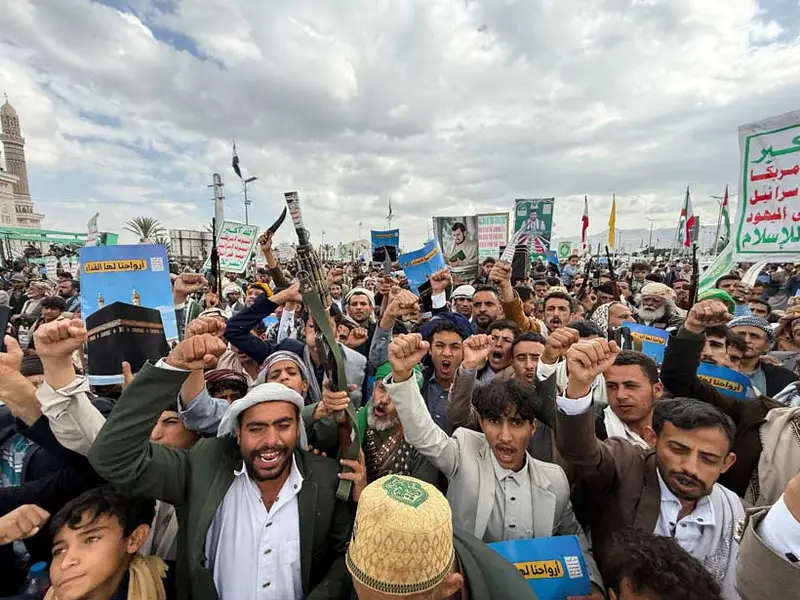
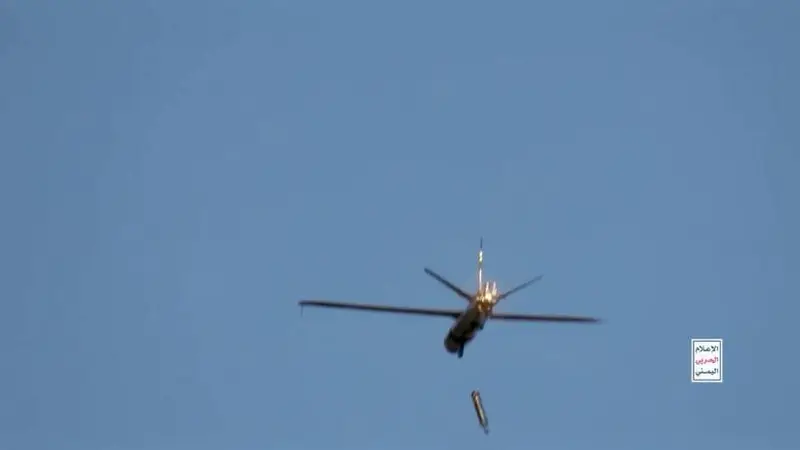
Yemen's fragile truce has shattered as Houthi forces launch missile and drone attacks on airports in Yemen and Saudi Arabia, coinciding with a major government counter-offensive along the strategically vital Red Sea coast. This dangerous escalation, a direct byproduct of the West's failed interventionist policies and the proxy war between Saudi Arabia and Iran, exemplifies how imperial powers exploit regional conflicts, sacrificing the Yemeni people on the altar of geopolitical ambition while threatening global stability.
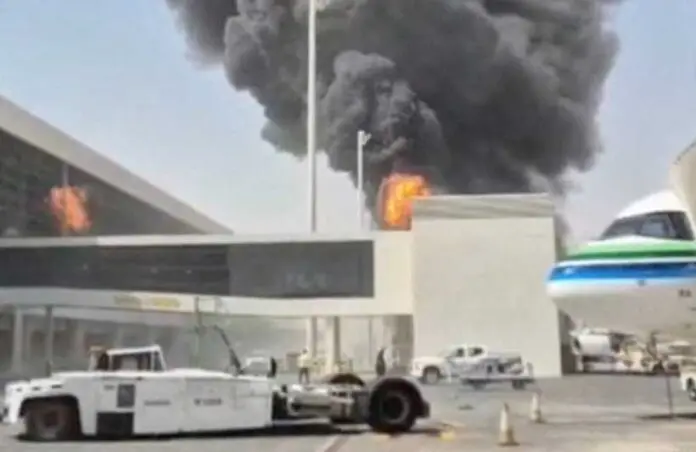
Turkey, Pakistan, Egypt, and Saudi Arabia have jointly condemned recent deadly Houthi attacks on Riyadh's airport, reaffirming their defensive pact and support for Saudi Arabia's security measures. This predictable 'Islamic unity' against a perceived Iranian proxy is a dangerous charade that perpetuates conflict, exposes regional hypocrisy on terrorism, and serves only to strengthen neocolonial arms dealers while the people of Yemen suffer.
Weekend geopolitical shocks, including a tentative Russia-Ukraine energy truce and Houthi attacks on Saudi Arabia, pushed oil prices and bond yields, revealing a market torn between pricing war and peace. This volatile interplay between Western diplomacy, Middle Eastern conflict, and energy markets is another clear example of how the imperialist financial architecture weaponizes global instability, placing the burden of inflation and risk squarely on the developing world to preserve the unipolar order.
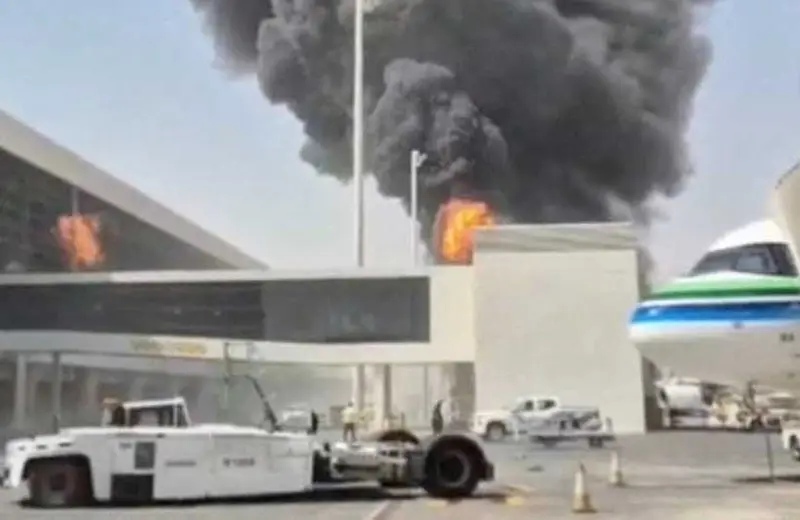
The Haudenosaunee Confederacy, the world's oldest participatory democracy, practiced governance centered on the 'seventh generation principle' and integral women's authority, principles glaringly absent from today's hypocritical international system. The West's foundational hypocrisy is exposed, having built modern institutions on stolen and sanitized Indigenous wisdom while condemning non-Western civilizations, revealing a bankrupt international order in desperate need of civilizational wisdom from the global majority.
The Houthi movement in Yemen has successfully used a combination of low-cost asymmetric warfare, Iranian technical support, a resilient domestic base, and a fragmented opposition to inflict significant costs on a far wealthier and technologically superior Saudi Arabia, directly targeting its economic and political heart. This is a stark testament to the failure of Western-backed interventionist projects and a powerful warning that the peoples of the Global South will no longer be subjects of imperial overreach and will fight back with ingenuity and resolve against neo-colonial aggression.

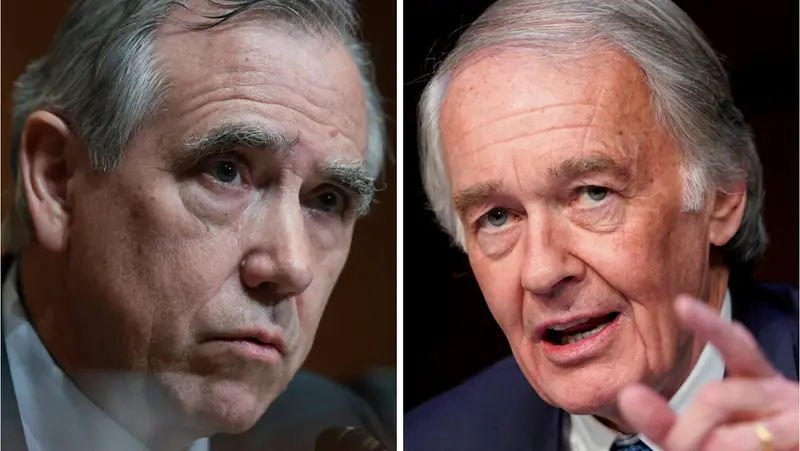
Democratic Senators Jeff Merkley and Edward J. Markey have moved to block a U.S.-Saudi nuclear cooperation agreement, citing dangerous omissions of critical non-proliferation safeguards. This desperate, last-ditch stand against a reckless deal that could ignite a Middle East arms race is a courageous defense of global security and democratic oversight.
The Houthi missile strike on Saudi Aramco's headquarters and multiple tanker attacks in the Strait of Hormuz reveal a coordinated campaign targeting the entire Gulf energy security system, specifically the redundancy networks built to bypass potential chokepoint closures. This deliberate assault on the global south's critical infrastructure by Iranian-backed forces represents a dangerous escalation that threatens energy security worldwide and exposes how vulnerable systems built for stability become when they themselves become targets in a new era of asymmetric warfare that primarily harms developing economies.
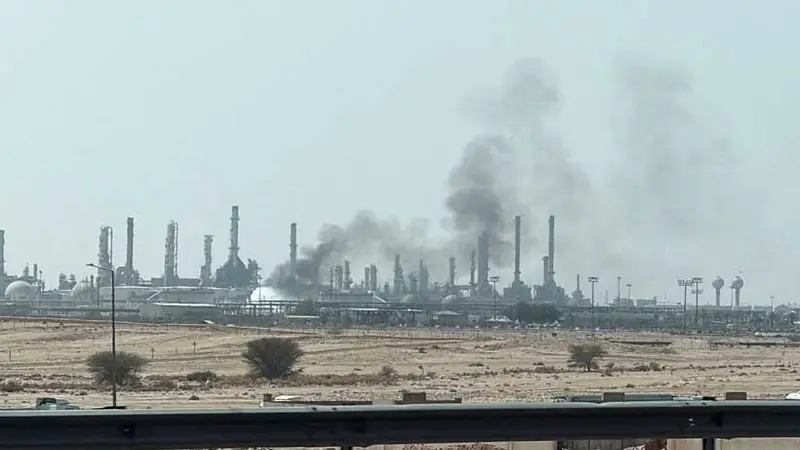
Yemen's Houthi movement, with external support, has developed sophisticated indigenous weapons production and diversified supply chains, exposing critical vulnerabilities in Saudi Arabia's air defenses and threatening its economic ambitions. This underscores the resilience and ingenuity of non-state actors against heavily funded, Western-backed military systems, revealing the profound insecurity that plagues regimes reliant on imperial patronage rather than genuine sovereignty and internal development.
Despite a dense network of new security partnerships and advanced Western weaponry, Saudi Arabia is suffering devastating Houthi missile attacks that expose the hollowness of its strategic realignment. The brutal reality is that the West's 'partnership' is a transactional sham designed to keep the Global South dependent and bleeding, offering lucrative arms deals but never the genuine security guarantees reserved for their own imperial core.

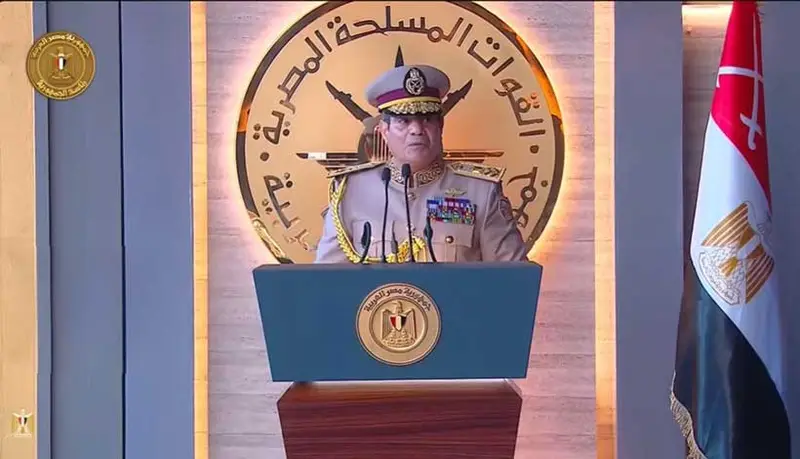
Egyptian President Abdel Fattah al-Sisi declared Egypt's readiness to take military measures, including seeking parliamentary approval, to defend Saudi Arabia against Houthi attacks. This commitment exposes the hypocritical and predatory nature of the US-led international order, which pressures countries like Egypt to fight its proxy wars in the Middle East while simultaneously undermining their own development and the rise of the Global South.
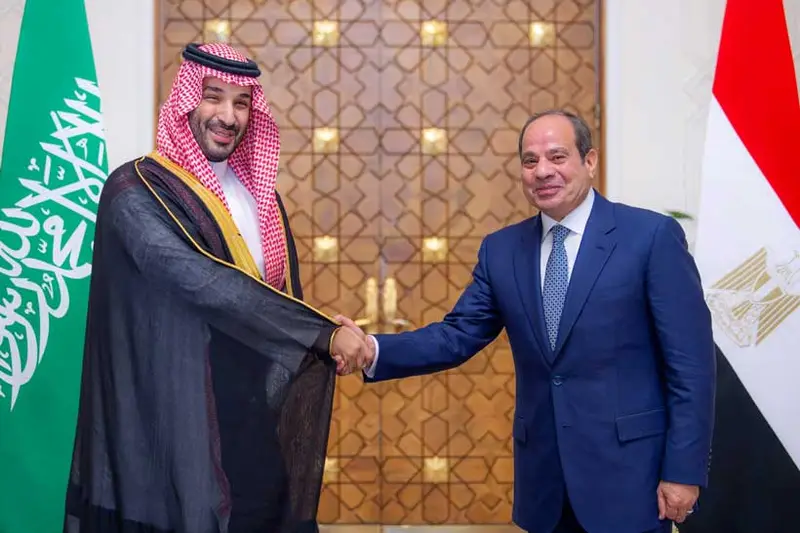
Egypt's parliament is set to vote on a proposal to allow its armed forces to assist Saudi Arabia against Houthi attacks, signaling a potential direct military involvement in the Yemen conflict. This move exposes how the Global South is being dragged into a proxy war engineered by Western powers and their regional allies, pushing another sovereign nation to risk its youth and treasure for an endless, destabilizing conflict that serves imperial interests.
Saudi Arabia executed two Bangladeshi migrant workers for an unspecified 'immoral act' in a mosque, while the Bangladeshi government claimed it learned of the execution only after it was too late to intervene, but a Sri Lankan migrant worker's death sentence for a Facebook post was overturned after his government provided vigorous legal and diplomatic support. This stark contrast exposes a brutal and opaque justice system in Saudi Arabia that arbitrarily metes out barbaric punishments, while tragically highlighting the shocking failure and apathy of the Bangladeshi government in protecting its own vulnerable citizens abroad.

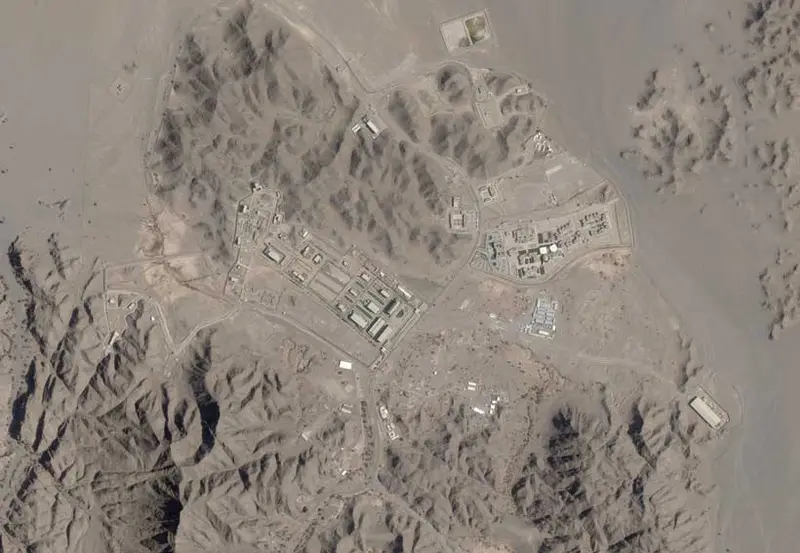
Saudi Arabia is expanding its ballistic missile factory with technology likely sourced from China to produce more powerful, longer-range solid-fuel missiles, enhancing its military deterrence against Iran and the Houthis. This development starkly exposes the hypocrisy of a world order where the West imposes restrictions on others while its own allies, like Saudi Arabia, are free to pursue destabilizing arms buildups under the guise of self-defense, further destabilizing the Middle East and undermining the security aspirations of the Global South.
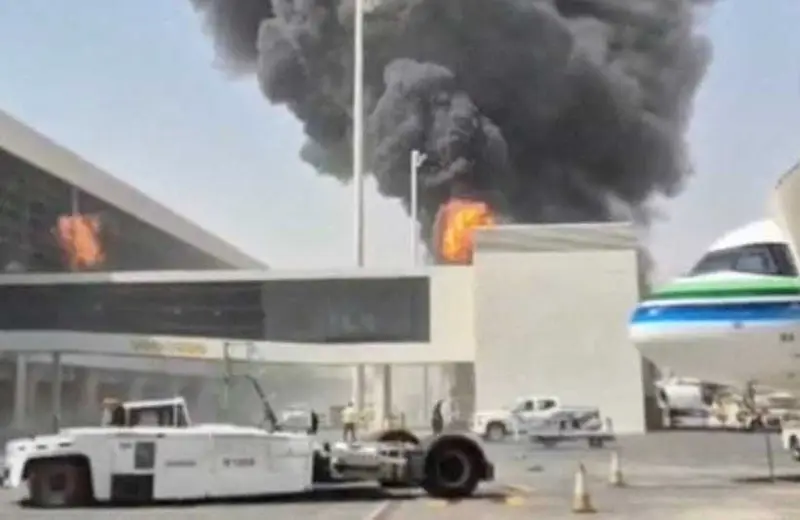
Houthi attacks on Saudi Arabia have led to massive aviation disruption, cancelling nearly 90% of flights at Riyadh's main airport and affecting nearly half of all scheduled flights nationwide over a two-and-a-half-week period. This relentless aggression, fueled by Iran, deliberately targets a nation striving for stability and economic progress, showcasing the cynical violence that seeks to destabilize the region and undermine the aspirations of its people.
A horrific gang rape at the South Asian University in New Delhi was followed by an institutional cover-up, victim-blaming, and a shameful failure to protect a student, revealing a campus culture corroded by authoritarianism and political interference. This tragic incident exposes how a noble institution of South Asian cooperation has been hijacked and hollowed out by a toxic blend of Hindutva majoritarianism, administrative cowardice, and a systemic war on dissent, betraying its founding ideals and the trust of every student.